
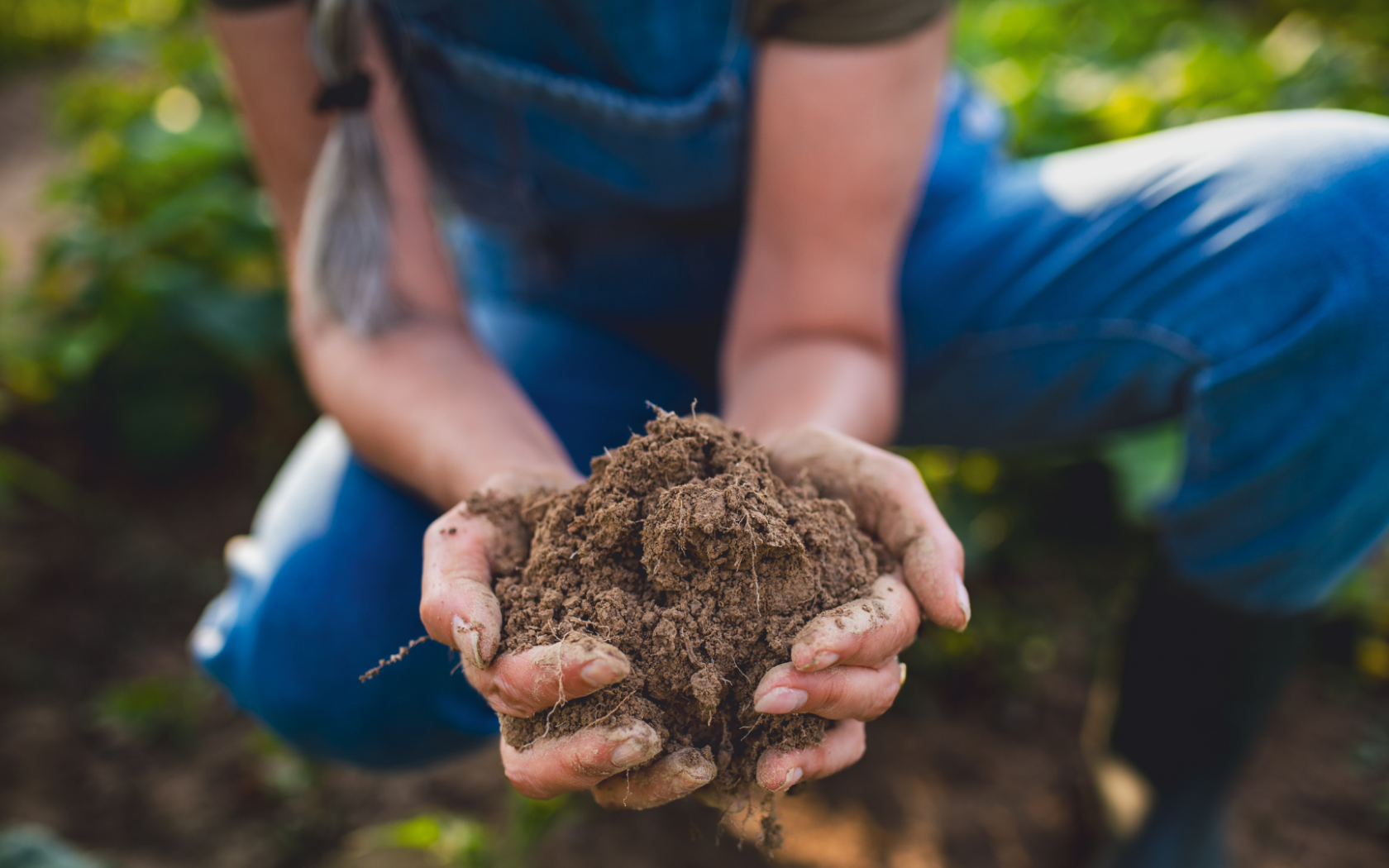
The benefits of regenerative farming go way beyond trend status or buzzy eco‑labels. They start deep in the soil and ripple out into our food, our climate, and our communities.
At Hopegrown, we’ve always believed that wellness is an ecosystem, not a product line—and regenerative practices are one of the clearest examples of that philosophy in action. By rebuilding soil health, honoring biodiversity, and supporting the farmers who care for the land, regenerative farming offers a hopeful, practical path toward a more resilient future.
What Is Regenerative Farming and Why It Matters
Regenerative farming is more than “sustainable” agriculture; it’s a holistic approach that aims to restore and improve the land with every growing season, not just maintain it. Instead of focusing only on yield, regenerative farmers focus on soil life, biodiversity, water cycles, and long‑term resilience. The benefits of regenerative farming show up in healthier fields, lower input needs, and crops that can better withstand extreme weather.
Core practices often include reduced or no tilling, planting cover crops between cash crops, rotating diverse plant species, and integrating livestock in ways that mimic natural grazing patterns. These practices help keep living roots in the ground year‑round, protect the soil surface, and feed the microbial life that makes soil truly alive. Over time, this builds soil structure and organic matter, which benefits both the farmer and the ecosystem.
Why does this matter for the rest of us? Because the way we farm shapes the quality of the food we eat, the air we breathe, and the water we drink. Regenerative agriculture connects the dots between environmental health, farmer wellbeing, and human wellness. When we talk about the benefits of regenerative farming, we’re really talking about building a food system that supports life at every level—from the soil microbiome to our own.
Soil Health: The Root of the Benefits of Regenerative Farming
If you want to understand the benefits of regenerative farming, start with soil health. Healthy soil isn’t just dirt; it’s a living ecosystem packed with microbes, fungi, earthworms, and organic matter that work together to support plant growth. Regenerative practices like cover cropping, composting, and reduced tillage feed that underground community instead of stripping it away. As soil organic matter increases, it acts like a sponge—holding more water, reducing erosion, and giving plants more consistent access to nutrients.
For farmers, this translates into practical advantages. Fields managed regeneratively often need less synthetic fertilizer and fewer chemical inputs over time, because the soil itself becomes more fertile and resilient. Crops can root deeper, making them more tolerant to drought and heat stress, both of which are becoming more common as the climate shifts. The result is more stable yields and healthier plants that are less reliant on “emergency” fixes.
For consumers and wellness‑minded folks, soil health has direct implications for food quality. Emerging research suggests that crops grown in biologically active, nutrient‑rich soils can carry higher nutrient density and a broader spectrum of plant compounds that support human health. When we talk about “food as medicine,” we can’t ignore the medicine cabinet beneath our feet. The benefits of regenerative farming start underground, but they ultimately show up on our plates and in our bodies.
Environmental and Climate Benefits of Regenerative Farming
The environmental benefits of regenerative farming are one of the main reasons it’s gaining traction worldwide. By keeping soils covered, minimizing disturbance, and fostering biodiversity, regenerative systems help reduce erosion, improve water infiltration, and protect local waterways from runoff. Fields managed regeneratively are better able to absorb heavy rains and bounce back from dry spells, which is critical as climate extremes become the new normal.
Regenerative farming also plays a role in climate mitigation. Practices such as cover cropping, agroforestry, and thoughtful grazing help pull carbon dioxide out of the atmosphere and store it in soils and vegetation. While there’s healthy debate about exactly how much carbon can be stored this way, most experts agree that boosting soil carbon is a win for both farm productivity and climate resilience. At the same time, reduced reliance on synthetic fertilizers and fewer tractor passes can lower on‑farm greenhouse gas emissions.
Biodiversity is another key piece of the puzzle. Regenerative farms tend to support more insects, birds, and beneficial organisms, both above and below ground. This diversity can create natural pest control, healthier pollinator populations, and more stable ecosystems overall. When we zoom out, the benefits of regenerative farming look like healthier landscapes, cleaner water, and a more climate‑ready food system. It’s not a silver bullet, but it’s an important part of a more regenerative, hopeful path forward.
Human Health, Communities, and the Future of Regenerative Farming
The benefits of regenerative farming don’t stop at environmental metrics; they reach into human health and community wellbeing. Farmers who transition to regenerative practices often describe an improved quality of life—less dependence on costly chemical inputs, more autonomy in how they manage their land, and a deeper sense of purpose in their work. That shift can ripple through rural economies, supporting local jobs, small businesses, and more resilient regional food systems.
On the consumer side, regenerative farming aligns with a broader wellness ethos: pay attention to source, support systems that nourish life, and think in terms of long‑term health rather than short‑term fixes. When we choose food grown in regeneratively managed systems, we’re not just voting with our dollars; we’re investing in soil, water, climate stability, and farmer livelihoods. For brands in the cannabis and wellness space, sourcing from regenerative farms or supporting regenerative initiatives can be a powerful way to walk the talk.
Looking ahead, the future of regenerative agriculture will depend on policy support, farmer education, and consumer awareness. The more we understand the benefits of regenerative farming—from soil microbiomes to mental health and community resilience—the easier it becomes to justify the transition. It’s not about perfection; it’s about direction. Moving toward regenerative systems is one of the most practical, hopeful shifts we can make for a healthier planet and healthier people.
Regenerative farming reminds us that healing the land and supporting human wellness are deeply connected goals, not competing priorities.
When we invest in practices that rebuild soil, protect biodiversity, and empower farmers, we tap into the full benefits of regenerative farming—stronger communities, more resilient food systems, and a healthier future for all of us. At Hopegrown, that’s the kind of quiet revolution we’re here for: rooted in science, grounded in the soil, and guided by a genuine respect for life.