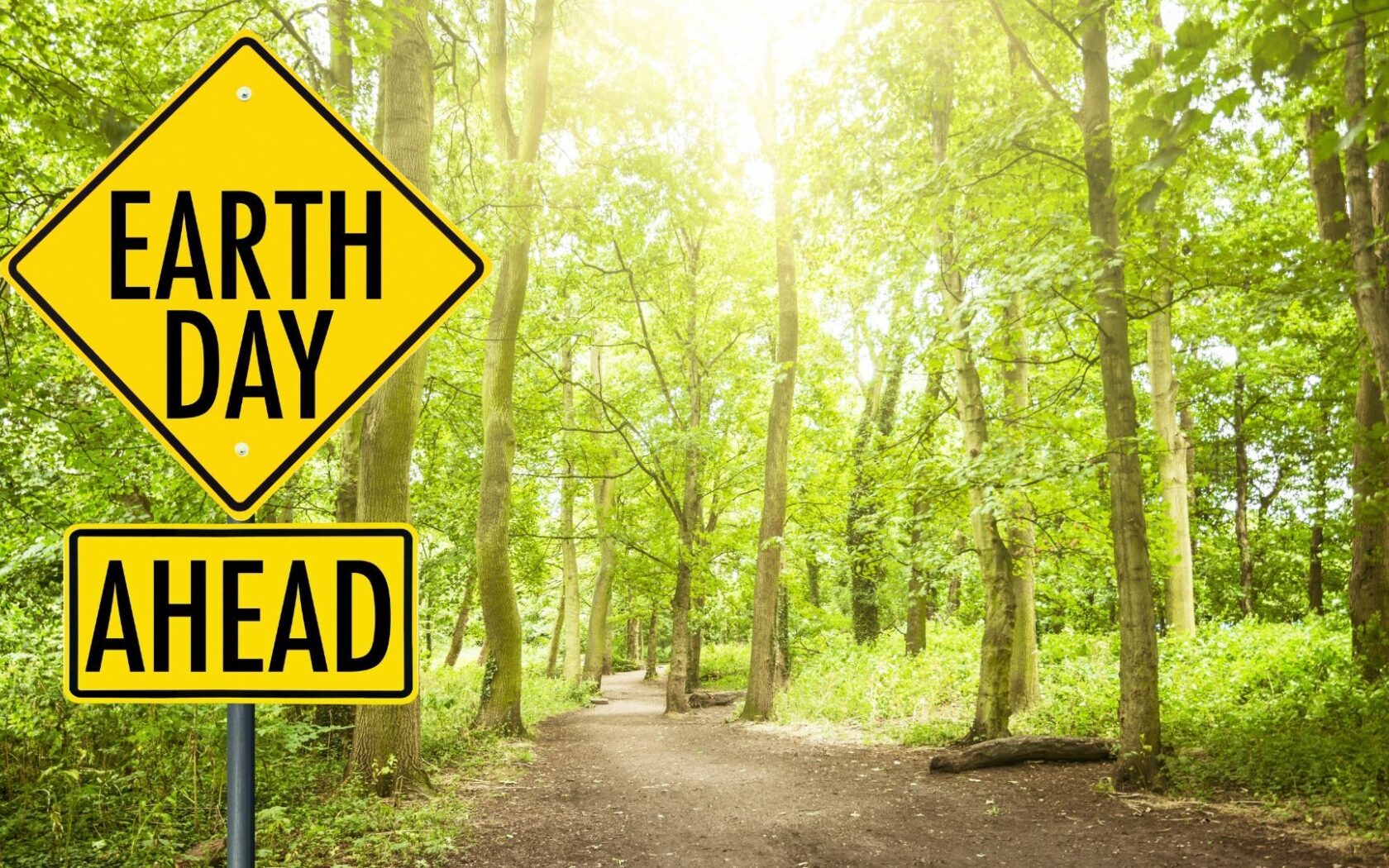
Why Earth Day is more important than ever isn’t just a slogan—it’s something we’re all feeling in real time. Earth Day falls on Wednesday, April 22, 2026, and at Hopegrown we see it as more than a date on the calendar; it’s a reminder that our personal healing is deeply connected to the health of the planet.
From the air we breathe to the food we eat, nature is our first wellness ally. This post explores how Earth Day began, why the stakes are higher now, and how our everyday choices can become a powerful, hopeful practice of care—for the Earth and for ourselves.
The Roots of Earth Day: From Protest to Global Movement
When people ask why Earth Day is more important than ever, it helps to look at where it all began. Earth Day started on April 22, 1970, in the United States as a massive protest against toxic pollution, oil spills, and dirty air and water. Millions of students, teachers, and everyday citizens took to the streets to demand that leaders protect the environment.
That first Earth Day helped spark major changes, including new laws to clean up air and water and protect wildlife. Over time, the idea spread far beyond the U.S. and turned into a global movement.
Today, Earth Day is marked in over 190 countries and brings together people of all ages and backgrounds. It’s evolved from a one‑day protest into a yearly reminder that our choices matter.
Modern Earth Day actions include:
- Community cleanups and tree‑planting events
- Educational workshops and school projects
- Campaigns to reduce plastic, waste, and pollution
- Online movements pushing for climate and environmental justice
Understanding this journey—from protest to global movement—shows why Earth Day is more important than ever: it proves that when people come together, real change is possible.
The Planet in 2026: Why the Alarm Bells Are Louder
If you’ve ever wondered why Earth Day is more important than ever, just look at the state of the planet in 2026. We’re seeing changes that are faster and more intense than what scientists predicted even a decade ago. Heat records keep breaking, storms are stronger, and many communities are dealing with floods, fires, or droughts more often.
A few big warning signs include:
- Rising temperatures – Each year adds to the long‑term warming trend, making heat waves more dangerous and summers more extreme.
- More extreme weather – Hurricanes, wildfires, and heavy rainfall are becoming more frequent and more destructive in many regions.
- Threats to food and water – Changing rainfall patterns and hotter temperatures are stressing crops, drying up rivers, and putting pressure on freshwater supplies.
- Loss of nature – Forests, coral reefs, and wildlife habitats are being damaged by climate change, pollution, and human expansion.
All of this makes Earth Day more than just a feel‑good holiday. In 2026, it’s a wake‑up call. Understanding these alarm bells helps explain why Earth Day is more important than ever for protecting our health, our communities, and the future we’re all growing into.
Our Power, Our Planet: Community Action as a Healing Force
When we talk about why Earth Day is more important than ever, we’re really talking about our power to shape what happens next. The theme “Our Power, Our Planet” reminds us that change doesn’t just come from governments or big companies—it grows from people coming together in their own neighborhoods.
Community action can look simple on the surface, but it creates powerful ripple effects. When groups organize around the planet’s health, they also strengthen mental health, connection, and hope. Some meaningful examples include:
- Local cleanups that restore parks, beaches, and rivers while bringing neighbors together.
- Community gardens that grow fresh food, cool cities, and reconnect people with the soil.
- Youth groups leading climate walks, art projects, and social media campaigns to spread awareness.
- Neighborhood workshops on composting, zero‑waste living, or saving energy at home.
These actions may seem small, but they build a culture of care. They show exactly why Earth Day is more important than ever: it’s a focal point that turns worry into action and isolation into community. When we act together, “Our Power, Our Planet” becomes more than a theme—it becomes a healing force the world can feel.
From One Day to an Everyday Practice: How to Live Earth Day All Year
If you’re wondering why Earth Day is more important than ever, the real answer is that it can’t just be one day on the calendar. To actually help the planet, we need to turn Earth Day into a lifestyle—small choices repeated over time that add up to a big impact. Living Earth Day all year doesn’t mean being perfect; it means being more mindful.
You can start by picking a few simple habits and sticking with them:
- Choose reusables instead of single‑use plastics (water bottles, bags, coffee cups).
- Eat more plants and support local or regenerative farms when you can.
- Walk, bike, carpool, or use public transit to cut down on car trips.
- Save energy at home by turning off lights, unplugging devices, and using efficient appliances.
- Support eco‑friendly brands, local businesses, and policies that protect nature.
These everyday moves are the real reason why Earth Day is more important than ever: they turn awareness into action. When you build these habits into your routine, you’re not just “celebrating” Earth Day—you’re practicing it, one choice at a time, all year long.
Why Earth Day is more important than ever comes down to this: we don’t have to wait for leaders, perfect plans, or the “right moment” to act. Every choice you make—what you buy, how you move through your day, what you support with your voice and your dollars—is a quiet vote for the kind of future you want to live in.
Earth Day on April 22 is a powerful yearly reset, but the real magic happens in the days that follow. Start where you are, with what you have, and remember that small, hopeful actions multiplied by millions of people can reshape the story of our planet.