
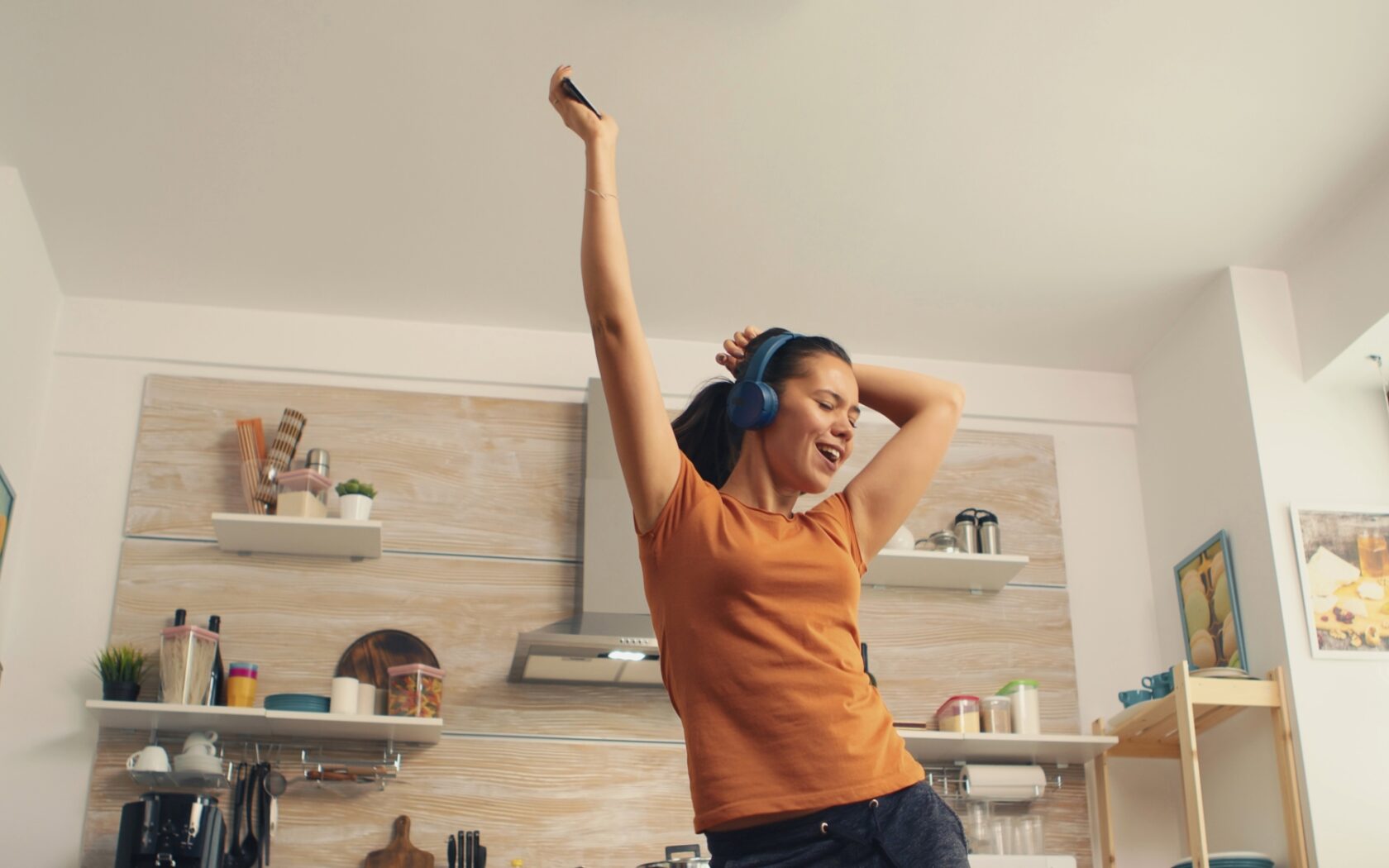
There’s a growing conversation around why dancing is better than antidepressants—and it’s not just hype. More people are turning to movement as a natural way to support their mental health, and dance sits at the center of that shift. It’s simple, accessible, and deeply human.
While medication has its place, dancing offers something different: a way to feel better that connects your body, mind, and emotions all at once. The question isn’t whether it works—it’s why it works so well.
The Science of Movement and Mood
When people ask why dancing is better than antidepressants, the answer often starts with brain chemistry. Dancing naturally increases key neurotransmitters that regulate mood, including dopamine, serotonin, and endorphins. These chemicals are the same ones many antidepressants aim to influence—but dancing stimulates them through physical activity and sensory engagement rather than external substances.
What makes dancing unique is that it activates multiple areas of the brain at once. You’re not just moving—you’re coordinating rhythm, memory, balance, and creativity. This full-brain activation can improve cognitive function while also lifting your mood. Over time, regular dancing has been linked to reduced symptoms of anxiety and depression.
There’s also a physiological benefit. Dancing lowers cortisol, the body’s main stress hormone, helping your system shift out of a constant “fight or flight” state. This creates a more stable emotional baseline throughout the day.
- Boosts dopamine, serotonin, and endorphins
- Reduces cortisol and chronic stress
- Engages both body and brain simultaneously
Instead of masking symptoms, dancing supports the systems that regulate mood in the first place. That’s a big reason why many people see it as a powerful, natural alternative.
Emotional Release and Nervous System Reset
One reason why dancing is better than antidepressants for some people is its ability to process emotions physically, not just mentally. Stress, trauma, and anxiety don’t just live in the mind—they’re stored in the body. Dancing creates a safe and natural way to release that buildup.
When you move freely, your nervous system begins to regulate itself. Fast, expressive movement can help discharge pent-up energy, while slower, rhythmic movement signals safety and calm. This flexibility allows dancing to meet you wherever you are emotionally.
Unlike medication, which often works by stabilizing or numbing certain feelings, dancing encourages emotional flow. You’re not shutting anything down—you’re letting it move through you. That process can feel both relieving and empowering.
- Releases physical tension tied to stress
- Supports nervous system regulation
- Encourages present-moment awareness
There’s also a mindfulness component. When you’re fully engaged in movement, your attention shifts away from racing thoughts and into your body. This can interrupt cycles of overthinking and help you feel more grounded.
For many, dancing becomes more than exercise—it becomes a form of emotional self-regulation that’s intuitive and sustainable.
Social Connection and Joy
Mental health isn’t just internal—it’s deeply connected to how we relate to others. Another reason why dancing is better than antidepressants in certain cases is the way it naturally builds connection and shared experience.
Dancing often happens in social settings, whether it’s a class, a group, or even just a shared space. Moving in sync with others creates a sense of belonging that’s hard to replicate through other activities. This connection triggers the release of oxytocin, a hormone linked to trust and bonding.
At the same time, dancing brings out something many people are missing: genuine joy. Not forced happiness, but spontaneous, physical expression. That kind of joy can shift your mental state quickly and leave a lasting impact.
- Strengthens social bonds and reduces isolation
- Increases oxytocin and emotional connection
- Creates moments of authentic joy and presence
Even solo dancing can tap into this effect by helping you reconnect with yourself. It reminds you that your body isn’t just something to manage—it’s something to experience.
This combination of connection and joy is powerful. It addresses emotional needs that medication alone often can’t reach.
Sustainable Mental Health Without Side Effects
While antidepressants can be helpful and even necessary in some cases, they often come with side effects like fatigue, weight changes, or emotional numbness. This is another reason why dancing is better than antidepressants for those looking for a more natural, sustainable approach.
Dancing supports mental health without introducing new complications. It improves physical health, boosts energy levels, and can be easily adapted to fit your lifestyle. Whether it’s five minutes in your living room or a full class, it’s accessible and flexible.
It also encourages consistency. People are more likely to stick with something that feels enjoyable rather than clinical. That consistency is key for long-term mental health improvement.
- No chemical side effects or dependency
- Improves both physical and mental well-being
- Easy to maintain as a long-term habit
Importantly, this isn’t about rejecting medical treatment. It’s about expanding your options. Dancing can complement traditional approaches or serve as a starting point for those exploring alternatives.
For many people, it becomes a daily practice that supports emotional balance in a way that feels natural, not forced.
Dancing won’t replace every form of treatment, but it can change how you relate to your mental health. It’s free, expressive, and rooted in something we’re all wired for—movement.
If you’ve been wondering why dancing is better than antidepressants, the answer may be simpler than expected: it helps you feel like yourself again. Sometimes, that’s the most powerful medicine there is.