Why EU and U.S. Food Policies Look So Different
If you’ve ever traveled to Europe and noticed that foods taste “cleaner,” look less neon-colored, or feel more natural, you’re not imagining it. The European Union (EU) takes a very different approach to food safety than the United States. While the U.S. allows food additives until proven harmful, the EU follows the precautionary principle, meaning an ingredient can be restricted if there’s credible evidence of potential risks—even before those risks are fully proven.
On the other hand, the U.S. relies heavily on the GRAS system (Generally Recognized As Safe), which allows companies to decide whether ingredients are safe without always requiring independent safety testing. This creates a major gap in regulation, and as a result, many chemicals banned in Europe remain common in American foods.
Below are five additives the EU has banned that the U.S. still allows, along with what the science says and how you can avoid them.
1. Titanium Dioxide (E171): The Whitening Agent With DNA Damage Concerns
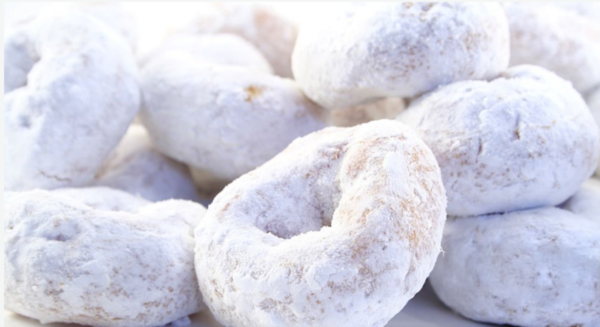
Titanium dioxide is used to make foods bright white—think powdered donuts, coffee creamers, icing, and many snacks. While it might make food look more appealing, research has raised red flags about how the body handles its microscopic particles.
Why the EU banned it:
In 2022, EU regulators removed titanium dioxide from their approved additive list after studies suggested the particles could accumulate in the body and potentially cause DNA damage—a precursor for cancer. The EU stated that they could no longer consider the additive safe.
Why the U.S. still allows it:
Titanium dioxide remains legal in the U.S. and is considered safe at low levels by the FDA. Many mainstream brands still use it in snacks, baked goods, and candies.
Better alternatives:
- Rice flour
- Calcium carbonate
- Natural white plant powders
- Brands labeled “no artificial dyes or colors”
2. Potassium Bromate: The Dough Strengthener Linked to Cancer
Potassium bromate helps bread rise higher and gives baked goods a firmer texture. It’s cheap, effective, and widely used in many commercial bakery products in the U.S. Brands using potassium bromate often include those selling mass-produced baked goods like pizza crusts, rolls, and tortillas.
Why the EU banned it:
The EU, the UK, Canada, Brazil, and several other countries prohibit potassium bromate because animal studies link it to thyroid, kidney, and gastrointestinal cancers. Even small amounts left after baking may pose long-term health risks.
Why the U.S. still allows it:
Despite its classification as a carcinogen by the International Agency for Research on Cancer (IARC), the U.S. permits potassium bromate as long as baked goods contain “safe” levels—a standard many experts argue is outdated.
Safer baking alternatives:
- Ascorbic acid (vitamin C)
- Natural sourdough fermentation
- Enzymes and clean-label dough conditioners
3. Brominated Vegetable Oil (BVO): The Citrus Beverage Additive Being Phased Out—but Still Legal
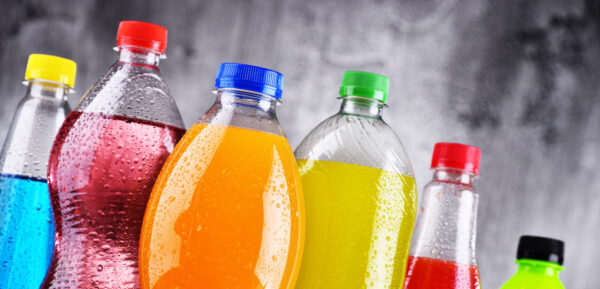
BVO keeps citrus flavoring evenly mixed in brightly colored sodas and sports drinks. It prevents the ingredients from separating, which is why many orange and tropical drinks look so uniform.
Why the EU banned it:
BVO contains bromine, a chemical linked to thyroid dysfunction, reproductive toxicity, and neurological issues. Europe banned it decades ago due to concerns that it builds up in body fat.
Why the U.S. still allows it (for now):
While the FDA recently proposed banning BVO, many products still contain it until the rules fully shift. Some big brands have voluntarily removed it—but others haven’t.
Natural alternatives:
- Glycerol ester of rosin
- Citrus oils
- Cleaner emulsifiers now used in Europe
4. Azodicarbonamide (ADA): The Famous “Yoga Mat Chemical” in Bread
Azodicarbonamide made headlines for being used in both bread products and yoga mats (although for very different purposes). In food, it bleaches flour and improves dough elasticity.
Why the EU banned it:
The EU prohibits ADA because it can break down into substances linked to respiratory irritation and possible carcinogenic byproducts. Workers exposed to ADA in manufacturing settings have shown asthma-like symptoms.

Why the U.S. still allows it:
ADA is approved at levels up to 45 parts per million in American baked goods. Many fast-food chains and commercial bakeries once used it, though some have phased it out due to public pressure.
Cleaner alternatives:
- Enriched wheat flour
- Enzyme-based dough enhancers
- Natural maturation through fermentation
5. Red Dye No. 3: A Controversial Coloring With Behavioral & Thyroid Concerns
You’ll find Red Dye No. 3 in bright pink candies, baked goods, popsicles, seasonal snacks, and even in some vitamins. Despite ongoing safety debates, it remains widely used.
Why the EU restricts it:
Europe has long limited artificial dyes due to concerns about hyperactivity in children and potential thyroid effects. Many food manufacturers in the EU avoid these dyes altogether and use natural colorants instead.
Why the U.S. still allows it:
While the U.S. banned Red No. 3 in cosmetics decades ago, it oddly remains permitted in food. Several states—including California—have begun pushing for a statewide ban, increasing pressure on national brands.
Safer dye options:
- Beet juice
- Paprika extract
- Spirulina
- Turmeric and annatto
- Fruit and vegetable concentrates
Why the U.S. Should Re-Think These Additives
The most significant difference between the EU and the U.S. comes down to safety philosophy. The EU takes a “better safe than sorry” approach, while the U.S. often waits for overwhelming evidence before banning or restricting an ingredient. This reactive approach means American consumers may unknowingly consume chemicals that other countries consider too risky.
Transitioning away from questionable additives doesn’t just improve health—it also increases transparency, builds trust, and motivates companies to innovate with more natural, plant-based alternatives.
What You Can Do as a Consumer
Until U.S. regulations improve, you can protect yourself by:
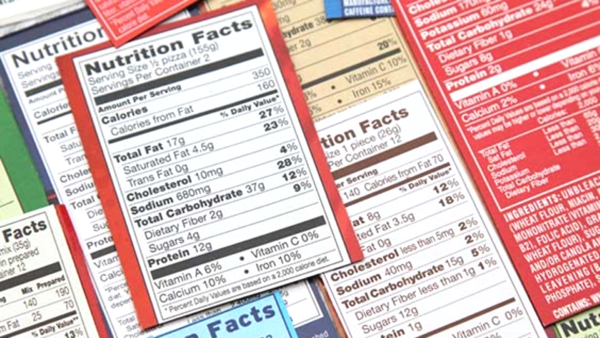
1. Reading ingredient labels
If the name sounds synthetic or you can’t pronounce it, look it up. Awareness is your best defense.
2. Choosing brands committed to clean labeling
Many natural and organic companies already avoid these additives entirely.
3. Supporting state-level bans and federal reform
Public pressure has already pushed several major brands to drop additives like BVO, ADA, and artificial dyes.
4. Opting for whole foods when possible
Minimally processed foods naturally avoid these issues.
Cleaner Food Starts With Awareness
Europe has taken firm steps to remove controversial additives from the food supply—while the U.S. continues to lag. But change is possible. As more consumers seek transparency, demand natural ingredients, and push for safer standards, companies begin to listen.