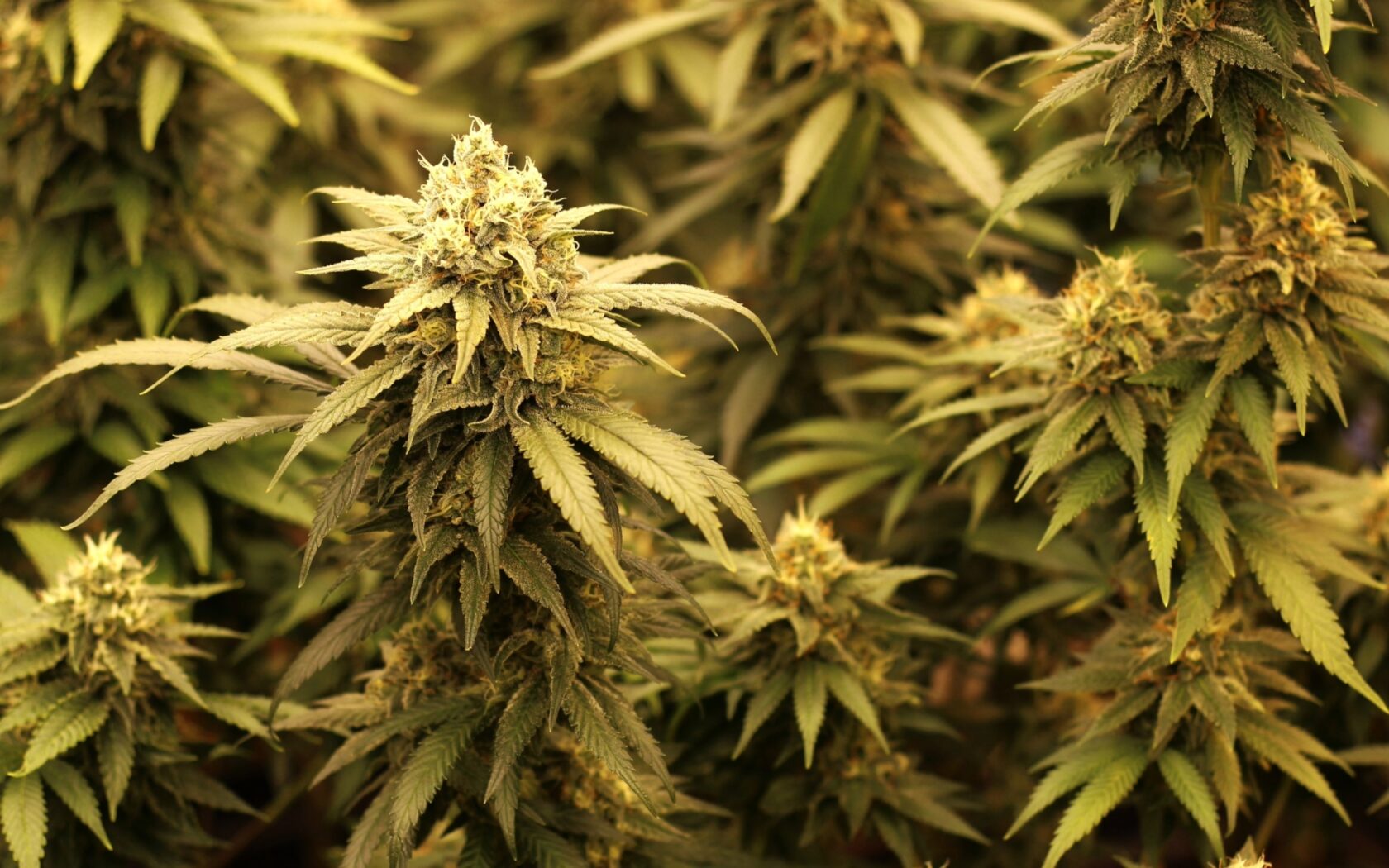
Virginia has officially legalized adult-use cannabis, but the reality is a little more nuanced than headlines suggest. If you’re trying to understand what’s actually legal, when you can buy recreational marijuana, and how it fits into a wellness-focused lifestyle, you’re not alone.
The laws are evolving, and the gap between legalization and access has created confusion. Let’s walk through what’s true right now—and how to approach cannabis in a way that supports your health, not just your curiosity.
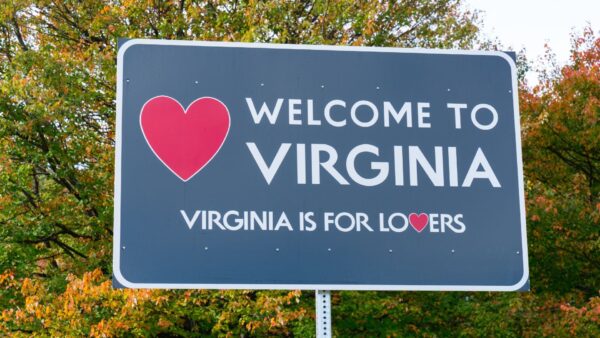
What “Legal” Actually Means in Virginia
Virginia made history by legalizing adult-use cannabis, but legalization doesn’t automatically mean full access. Adults 21 and older can legally possess cannabis and even grow their own at home—but retail sales have lagged behind.
Here’s what’s currently allowed:
- Possession of up to one ounce of cannabis for personal use
- Home cultivation of up to four plants per household
- Sharing small amounts between adults (without payment)
What’s not fully in place yet is a regulated recreational marijuana market. That means no widespread, licensed retail system for adult-use cannabis purchases—at least not in the way you see in states like California or Colorado.
This gray area matters. Without regulated access, people may turn to untested products or informal sources, which raises concerns around safety, potency, and contaminants. From a wellness perspective, legalization is only half the equation—safe, transparent access is what truly supports healthier choices.
When Adult-Use Sales Are (Finally) Happening
Virginia lawmakers have been working to establish a legal framework for recreational marijuana sales, but progress has been slow and, at times, inconsistent. While cannabis is legal to possess, the rollout of licensed dispensaries for adult-use consumers has faced delays tied to policy decisions and regulatory planning.
The current expectation is that retail sales will expand as the state finalizes licensing, compliance standards, and supply chain systems. This includes:
- Product testing requirements for safety and potency
- Clear labeling standards for THC content
- Licensing for growers, processors, and retailers
Until that system is fully operational, access remains limited. Medical dispensaries exist, but adult-use consumers don’t yet have the same straightforward buying experience.
For consumers, this is a moment of transition. It’s worth staying informed rather than assuming legality equals availability. As the market matures, the focus should shift toward quality, transparency, and education—not just convenience.
How to Use Cannabis Safely and Mindfully
Legalization opens the door, but how you use cannabis still matters—especially if your goal is to support mental clarity, stress relief, or overall wellness.
A few grounded principles go a long way:
- Start low and go slow, especially with THC
- Pay attention to how different strains or products affect your body
- Choose lab-tested products when available
- Avoid mixing cannabis with alcohol or other substances
From a wellness perspective, cannabis isn’t one-size-fits-all. Some people benefit from low-dose THC for relaxation, while others prefer CBD-rich products for balance without intoxication.
It also helps to be intentional. Ask yourself why you’re using cannabis—whether it’s to unwind, sleep better, or manage stress. That awareness can prevent overuse and help you build a more conscious relationship with it.
Think of cannabis less as a quick fix and more as a tool. When used thoughtfully, it can support your routine. When used mindlessly, it can work against it.
What This Means for Wellness, Access, and Community
Virginia’s move toward legal recreational marijuana reflects a broader cultural shift—one that’s slowly replacing stigma with education and access. For wellness-minded individuals, this creates an opportunity to approach cannabis with more intention and less guesswork.
Legalization also pushes the industry toward higher standards. Over time, regulated markets tend to bring:
- Safer, lab-tested products
- Clearer dosing information
- More transparency around sourcing and ingredients
That aligns closely with holistic health values—knowing what you’re putting into your body and why.
There’s also a community impact. Legalization can reduce criminal penalties, expand economic opportunities, and normalize conversations around plant-based medicine. But those benefits depend on how thoughtfully the system is built and who it includes.
For now, Virginia is still in the in-between phase. And while that can feel frustrating, it’s also a chance to slow down, learn, and build a more informed relationship with cannabis before the market fully opens.
Virginia has legalized adult-use cannabis, but access is still catching up to policy. Understanding the difference between what’s legal and what’s available helps you make smarter, safer choices.
As the state moves toward regulated sales, the real opportunity isn’t just convenience—it’s creating a more mindful, wellness-driven approach to cannabis use. Staying informed now puts you in a better position to benefit from what’s coming next.