
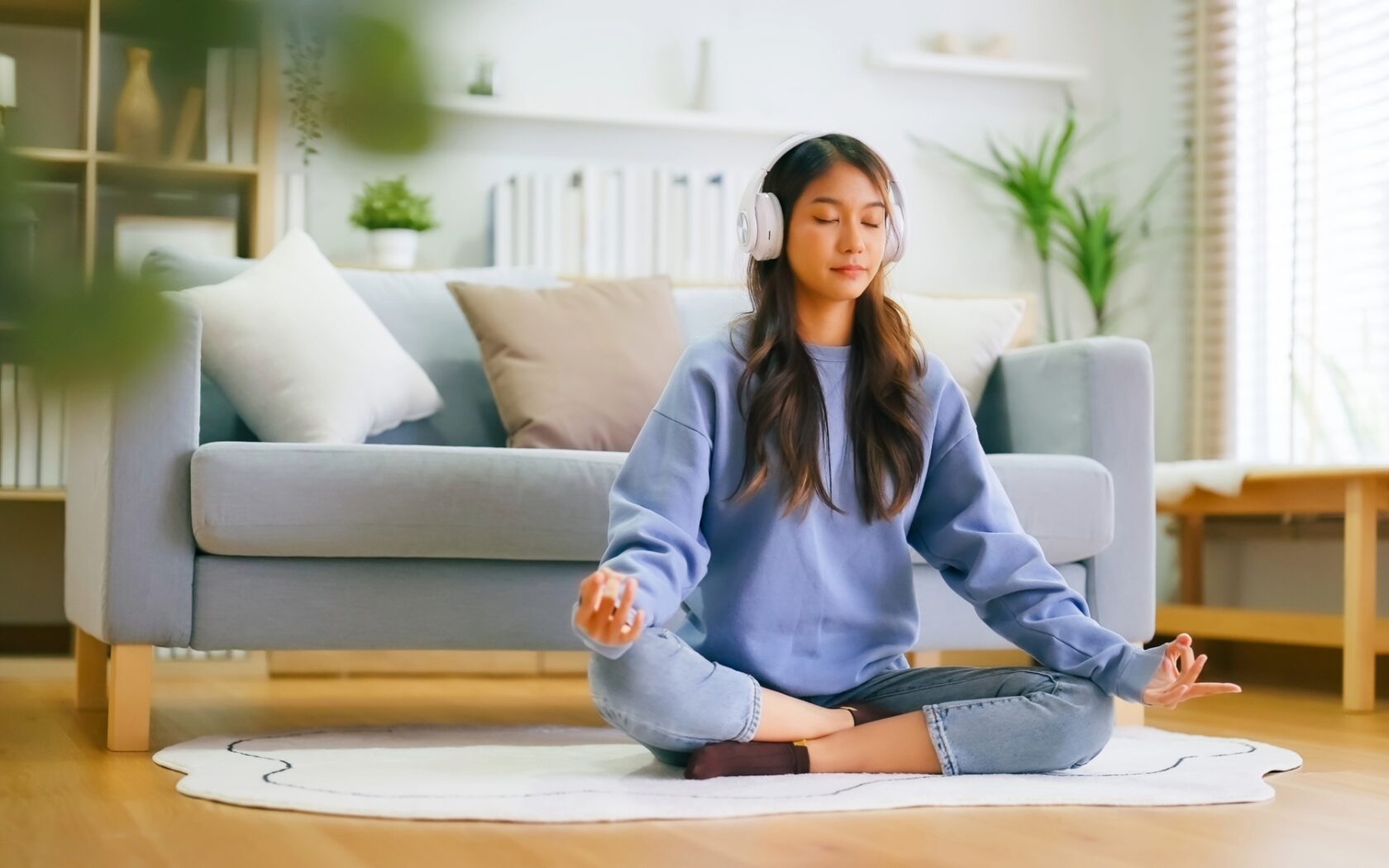
Meditation doesn’t have to be complicated to be effective. At its core, meditation is simply the practice of paying attention—often to your breath, your body, or the present moment. In a world that constantly pulls your focus outward, meditation helps bring it back in.
Whether you’re looking to reduce stress, improve your breathing, or feel more grounded in your daily life, understanding the different types of meditation can help you find a practice that actually sticks.
What Meditation Really Is (and Why It Matters)
Meditation is often misunderstood as something reserved for monks or people with hours of free time. In reality, it’s a simple, accessible tool for regulating your mind and body.
At a physiological level, meditation supports your nervous system. When you slow your breathing and focus your attention, you activate the parasympathetic response—the part of your body responsible for rest, recovery, and healing. This is why even a few minutes of intentional breathing can shift how you feel.
Meditation also trains awareness. Instead of getting caught in every thought or stressor, you begin to notice them without immediately reacting. That small shift can have a big impact on your mood, decision-making, and overall wellness.
You don’t need to “clear your mind” to meditate. That’s a common misconception. Thoughts will come and go—that’s normal. The practice is in gently bringing your focus back, often to your breath.
For many people in the wellness space, meditation becomes a foundation. It pairs naturally with other practices like mindful eating, movement, and even plant-based therapies by helping you stay present in your body.
Popular Types of Meditation Explained
There isn’t just one way to meditate. Different styles work for different people, and finding the right fit makes all the difference.
Here are some of the most approachable types:
Mindfulness Meditation
This is the most widely practiced form. You focus on the present moment—often your breath—while observing thoughts without judgment. It’s simple, flexible, and backed by a lot of research for stress reduction.
Breathwork Meditation
This centers on controlled breathing patterns. Techniques like slow nasal breathing or box breathing can calm your nervous system quickly. It’s especially helpful if you feel anxious or overwhelmed.
Body Scan Meditation
You mentally scan your body from head to toe, noticing areas of tension and releasing them. This is great for reconnecting with your body and improving sleep.
Loving-Kindness Meditation
Also called “metta,” this practice focuses on generating feelings of compassion toward yourself and others. It can be powerful for emotional healing and reducing negative self-talk.
Guided Meditation
In this style, someone leads you through the practice—either in person or through audio. It’s ideal for beginners who want structure and support.
Each of these approaches works differently, but they all come back to awareness, breathing, and presence.
How to Choose the Right Meditation for You
The best meditation is the one you’ll actually do consistently. Instead of trying to force a practice that doesn’t resonate, match it to your current needs.
If you’re dealing with stress or anxiety, start with breathwork. It gives you something tangible to focus on and can shift your state quickly.
If your mind feels constantly busy, mindfulness meditation helps build focus over time. It teaches you how to observe your thoughts instead of getting pulled into them.
If you feel disconnected from your body, a body scan can help rebuild that awareness gently.
If you’re working through emotional challenges, loving-kindness meditation can soften your inner dialogue and build compassion.
You don’t have to commit to just one. Many people rotate between styles depending on how they feel that day.
A good way to approach it is with curiosity rather than pressure. Try a few methods, notice how your body responds, and keep what feels supportive.
Simple Ways to Start a Meditation Practice
Starting doesn’t require a perfect routine or a long time commitment. In fact, keeping it simple is what makes it sustainable.
Begin with just a few minutes a day. Even 3–5 minutes of focused breathing can make a difference. Consistency matters more than duration.
Find a quiet space where you won’t be interrupted, but don’t overthink it. Your car, your bed, or a corner of your home all work.
Use your breath as an anchor. A simple pattern like inhaling for four seconds and exhaling for six can help settle your system.
If sitting still feels difficult, try guided meditation. It gives your mind something to follow and reduces the feeling of “doing it wrong.”
You can also build meditation into your existing routine—right after waking up, before bed, or even after a workout.
The goal isn’t perfection. It’s showing up, noticing your breath, and giving your mind a place to rest.
Meditation is less about escaping your thoughts and more about changing your relationship with them. With so many types of meditation available, there’s no single “right” way—just the way that works for you.
Whether you start with simple breathing exercises or explore different styles over time, the benefits build with consistency. When practiced regularly, meditation becomes more than a technique—it becomes a steady, grounding part of your overall wellness routine.