
You’re happy to see everyone. The guest room is comfortable, the meals are generous, and your host keeps telling you to make yourself at home. Your bowels, apparently, didn’t get the message.
Travel constipation can be especially frustrating when you’re staying in someone else’s house. You may be eating differently, moving less, or waiting for a private moment that never quite arrives. Even when you feel the urge, a bathroom just off the kitchen can make you hesitate.
You don’t need a complicated digestive reset. A few familiar habits, some practical privacy, and a clearer sense of when to seek help can make the visit more comfortable—without organizing your entire stay around pooping.
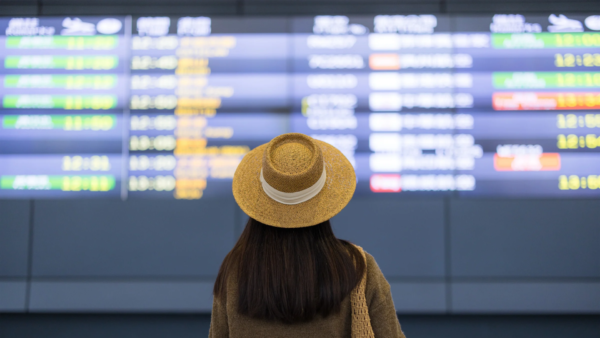
Why Travel Constipation Can Be Worse at Someone Else’s House
Your usual bathroom routine probably depends on more than you realize: breakfast at a familiar time, a little movement, and knowing nobody is waiting outside the door. Visiting someone can interrupt all three.
A long drive or flight may mean hours of sitting. You might drink less to avoid bathroom stops, skip your usual oatmeal, or eat meals on your host’s schedule. Together, these changes can contribute to harder stools and less predictable bowel movements.
Then there’s the unfamiliar bathroom. Maybe you’re worried about noise or odor. Perhaps there’s one toilet for six people, and someone always seems to need it.
That discomfort can lead you to ignore the urge. When stool stays in the colon longer, more water can be absorbed from it, making it harder to pass. Waiting for the “perfect” private moment may leave you more uncomfortable later.
Missing a Day Doesn’t Automatically Mean Constipation
You don’t have to poop every day to be healthy. What matters is your usual pattern and whether passing stool feels difficult.
Constipation can involve hard or lumpy stools, straining, painful bowel movements, or feeling as though you haven’t fully emptied. Fewer than three bowel movements a week is another possible sign, but frequency isn’t the whole picture.
Bathroom anxiety may be part of the situation, but don’t assume it explains everything. Food changes, medications, dehydration, and underlying conditions can also contribute. Your symptoms deserve attention without self-blame.
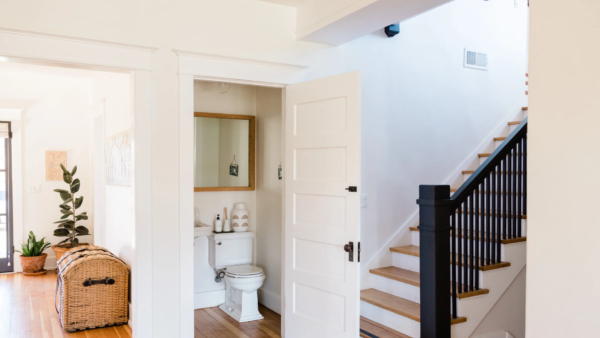
How to Make Your Host’s Bathroom Feel Less Stressful
You don’t need to become completely comfortable with someone else’s bathroom before using it. Start by making the situation a little more manageable.
When you arrive, ask which bathroom you should use. If there are several, you can ask whether one is usually quieter. It’s a practical question, not an announcement about your digestion.
Close and lock the door, and use the ventilation fan if one is available. These small adjustments may help you feel less exposed, even though they aren’t treatments for constipation.
If you need a little space in the morning, try a simple sentence: “I’m going to take some time to get ready before we head out.” You don’t owe anyone a detailed explanation.
Make Room for the Urge, Not a Performance
Eating helps stimulate movement in the colon, so an unhurried bathroom opportunity after breakfast may be useful. Keep your usual morning rhythm where possible rather than postponing everything until the house is empty.
When you sit down, let your shoulders soften and breathe normally. If a stable footstool is available, it may make your position more comfortable. Don’t balance your feet on a slippery bin or an improvised stack of objects.
Give yourself time, but avoid prolonged sitting or forceful straining. If nothing happens, get up and return when you feel an urge.
The goal is permission, not pressure: permission to use the bathroom, take reasonable time, and have ordinary bodily needs while you’re a guest.

Gentle Ways to Relieve Travel Constipation
You don’t have to overhaul your host’s menu or turn breakfast into a nutrition project. Start with familiar habits that are easy to maintain away from home.
Drink fluids regularly, especially if you’ve been limiting them during travel. There’s no need to force excessive amounts of water. If a clinician has prescribed a fluid restriction, follow that guidance.
Choose fiber-containing foods you already tolerate: oatmeal, pears, berries, vegetables, beans, or whole-grain toast. Increase fiber gradually rather than suddenly adding large amounts of bran or a new supplement. A big change can leave you feeling more bloated, particularly without adequate fluids.
Movement may help, too. A comfortable walk after breakfast or an afternoon outing is a manageable place to start.
A Simple First-Morning Plan
- Eat a familiar breakfast and have something to drink.
- Leave a little breathing room before the day’s activities.
- Use the bathroom when you feel the urge.
- Fit in a walk or other comfortable movement.
These steps support regularity; they don’t guarantee an immediate bowel movement.
If you’re still uncomfortable, ask a pharmacist or clinician whether a short-term constipation medicine is appropriate. Different products work differently, and some take longer than others. Mention your medications, health conditions, and any possibility of pregnancy.
For the next visit, pack a refillable water bottle, a few familiar fiber-containing snacks, and any treatment already recommended for you. Avoid experimenting with “detox” teas or stacking several laxatives simply because you’re impatient. Natural branding doesn’t make a product gentle or suitable for everyone.

When Travel Constipation Needs Medical Attention
It’s tempting to blame every digestive change on being away from home. But constipation shouldn’t automatically be dismissed as a travel inconvenience—especially when it feels different from your usual pattern.
Seek medical advice if symptoms aren’t improving with self-care, keep returning, or represent a persistent change in your bowel habits. You don’t need to reach a particular number of days before asking for help.
A clinician can review possible contributors, including medications and supplements. Iron supplements and some pain medicines, for example, can cause constipation. Don’t stop a prescribed medication on your own.
Symptoms You Shouldn’t Wait Out
Get prompt medical attention if constipation occurs with:
- Constant or severe abdominal pain.
- An inability to pass gas.
- Vomiting or fever.
- Rectal bleeding or blood in your stool.
- Unexplained weight loss.
Severe pain, vomiting, a swollen abdomen, and inability to pass gas together warrant urgent evaluation rather than another home remedy. Don’t keep adding fiber or laxatives while waiting for those symptoms to resolve.
There’s also a difference between occasional awkwardness and bathroom-related fear that repeatedly disrupts your life. If you avoid overnight visits, hold stool until you’re in pain, or feel unable to use any bathroom outside your home, bring it up with a healthcare professional. They can assess constipation and discuss whether support for anxiety or pelvic floor function would be helpful.
You deserve care that addresses both the physical discomfort and the circumstances making it harder to go.
A More Comfortable Visit Starts With Small Adjustments
Being a considerate guest doesn’t mean ignoring your body. You can enjoy someone’s hospitality and still need familiar foods, a short walk, or uninterrupted bathroom time.
For travel constipation, start with the basics: regular meals, adequate fluids, gradual fiber, movement, and responding when you feel the urge.
Give those habits room to help without demanding an instant result. If symptoms persist or warning signs appear, seek medical care rather than assuming you just need to relax. Your comfort is a reasonable part of the visit, too.