The Future of Health: Where Everyday Living Becomes Personalized Medicine
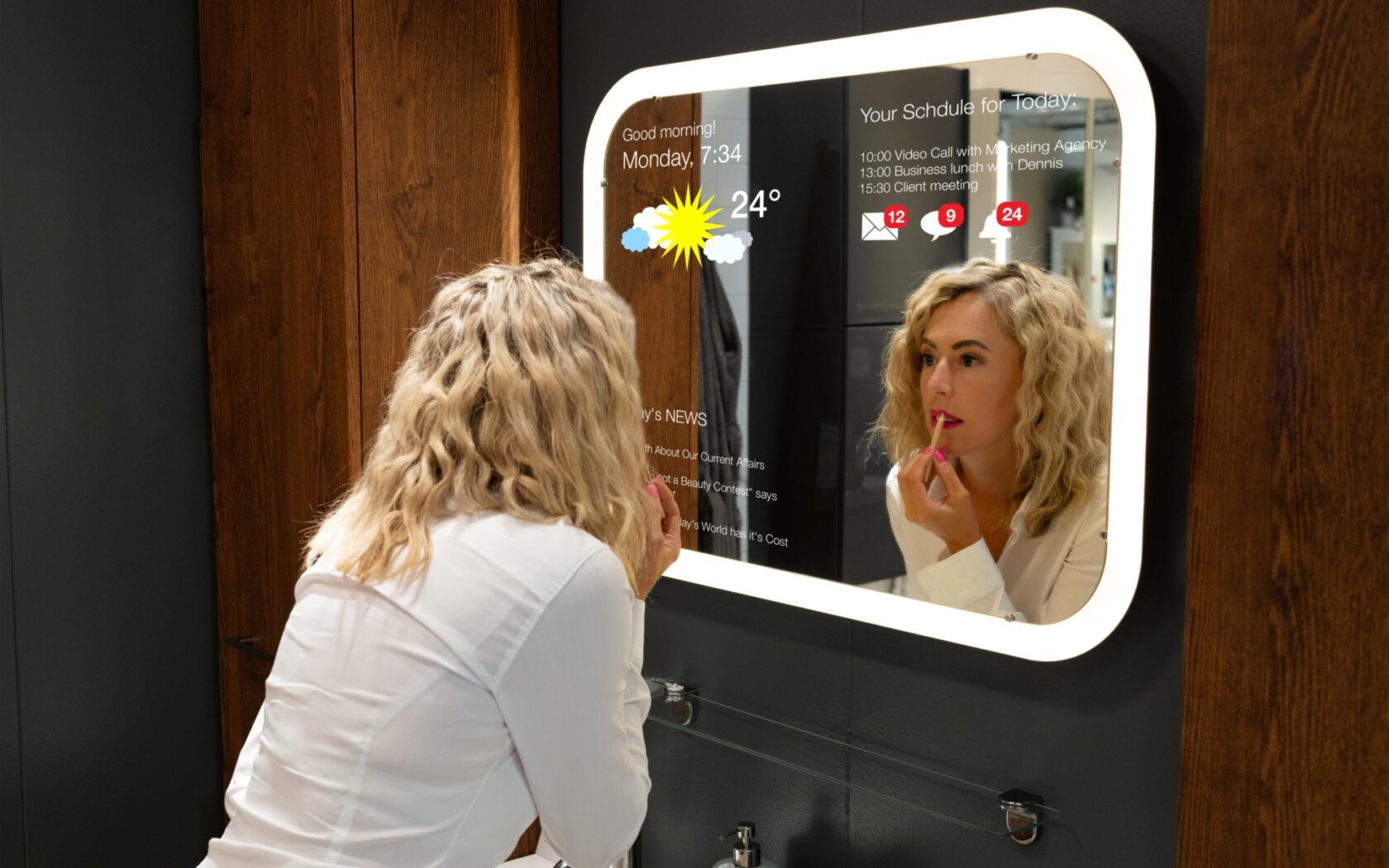
Imagine this: you wake up and your smart mirror greets you with a gentle glow, silently scanning your skin tone, hydration, and circulation. Your mattress has already tracked your sleep quality and heart rate variability, sharing data with your AI health companion. In the bathroom, your toilet discreetly analyses your gut microbiome and nutrient absorption, sending insights to your doctor’s digital dashboard. All this happens before you’ve even had your first sip of water.
Welcome to the future of health—a world where prevention, personalization, and technology blend into a seamless rhythm of everyday life.
From Reactive Care to Predictive Health
For decades, healthcare has been focused on reactive care—treating illness after it appears. But the next generation of health is moving toward predictive care. Artificial intelligence, wearable sensors, and advanced diagnostics will spot changes in your biology long before symptoms emerge.
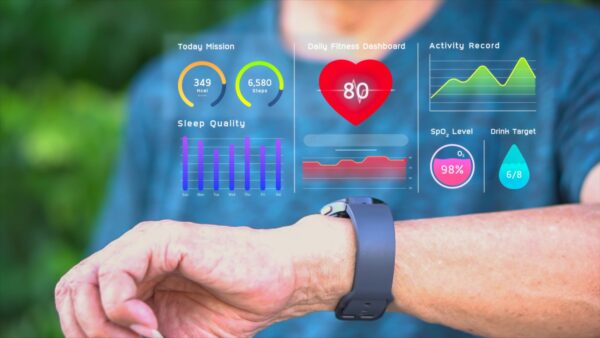
These systems will learn what “normal” looks like for you. If your resting heart rate spikes, or your blood glucose shifts from its baseline, you might receive a notification suggesting rest, hydration, or even early screening for an underlying issue. The goal? To prevent disease altogether, not just manage it.
We’re already seeing this shift in the rise of personalized health platforms, continuous glucose monitors for non‑diabetics, and AI‑driven symptom checkers that learn from millions of data points. Over the next decade, this intelligence will move from apps to our living environments—mirrors, mattresses, and even smart textiles that sense subtle biometrics through your clothes.
Nutrition That Thinks for You
In the future, nutrition guidance won’t come from generalized charts or one‑size‑fits‑all plans. It will come from your own body.
AI dietitians powered by genetic profiling, microbiome data, and real‑time biomarkers will create daily menus tailored to your cellular needs. Picture your fridge scanning available ingredients and suggesting a breakfast that rebalances your gut flora or supports muscle repair after yesterday’s workout.
Food will become both medicine and data source. Functional ingredients like adaptogens, probiotics, and anti‑inflammatory compounds will be woven into mainstream products, tracked for their measurable impact on mood, energy, and cognitive performance. Restaurants may even offer “dynamic” menus that sync with your personal biometrics—choosing ingredients that complement your current health state.
The Sleep Revolution
Sleep is already a frontier of transformation. Smart mattresses, wearable rings, and ambient light controls are helping us understand rest like never before. But the future will move beyond tracking to active optimization.
Imagine “circadian architecture”—bedroom environments using adaptive lighting and temperature regulation to sync precisely with your biological clock. Your smart home might adjust the scent, humidity, and soundscape of your room based on your sleep phase predictions.
If you’re stressed or hormonally imbalanced, your AI may suggest a tailored nighttime supplement or a breathing routine before bed. By integrating data from your heart rate, cortisol levels, and nervous system, your life will revolve around restoring balance, not simply hitting an eight-hour target.

Movement As Medicine
In the health future, exercise will no longer be only about burning calories—it will be fine-tuned as personalized therapy.
AI-driven motion sensors embedded in clothing or wearables will analyze your posture, muscle activation, and recovery metrics in real-time. These systems might warn you of joint strain before you feel pain, or recommend micro-movements throughout the day to counteract hours of sitting.
Fitness programs will merge with mental health, offering mindfulness cues when your physiological stress markers spike. Imagine a world where your device knows the best type of movement—yoga, a brisk walk, or interval training—not because it’s trendy, but because it fits your unique daily emotional and biological state.
Gut Health: The Body’s New Data Frontier
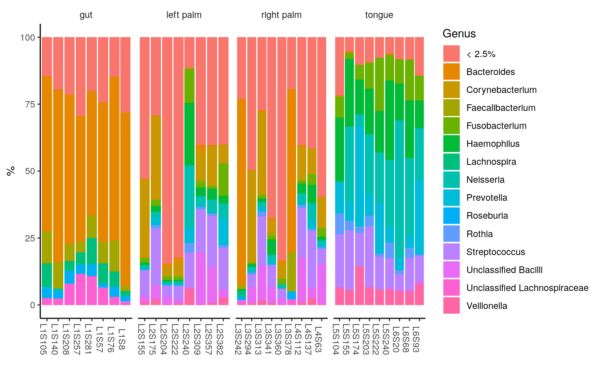
Microbiome science is still young, but it’s poised to reshape our understanding of wellness. Your gut flora influences everything from mood and metabolism to immunity and longevity.
We’re already seeing early innovations in at-home microbiome testing and precision probiotics. In the coming years, your body’s internal ecosystem will be monitored continuously, much like heart rate or oxygen levels today. Smart toilets and ingestible sensors could track digestion, inflammation, and even early signs of chronic disease.
By understanding your gut patterns, AI could adjust your diet, supplements, or stress management strategies in real time—closing the loop between data and action.
Ethics, Access, and the Human Element
As thrilling as this all sounds, the future of health must balance innovation with ethics and inclusivity. Data privacy will become as critical as the technology itself. Each scan, stool sample, or sleep log represents a piece of your identity, and how we protect that information will define how trusted these systems become.
There’s also the question of access. Will personalized health remain a luxury for those who can afford high-tech devices, or will these tools become as common as blood pressure cuffs and thermometers? The best future is one where data doesn’t replace doctors—but empowers them to serve more people, more effectively.
The Rise of Holistic Intelligence
Perhaps the most exciting shift won’t be technological, but philosophical. As the barriers between traditional medicine, nutrition, psychology, and preventative care dissolve, health will be seen as a dynamic ecosystem.
AI may guide us, but human intuition—our sense of balance, empathy, and connection—will remain essential. The technologies ahead will offer insights, but it’s our choices that will bring those insights to life: choosing to rest, to eat mindfully, to move with joy, to connect deeply.
In that sense, the future of health might look less like science fiction—and more like a return to harmony between our bodies, our environments, and our awareness.
The future of health is beautifully personal. It’s data-driven but deeply human—a partnership between innovation and intuition. As every breath, bite, and night of sleep becomes part of your wellness story, the question isn’t “What will health look like?” but “How healthy could we all become if we listened sooner?”