
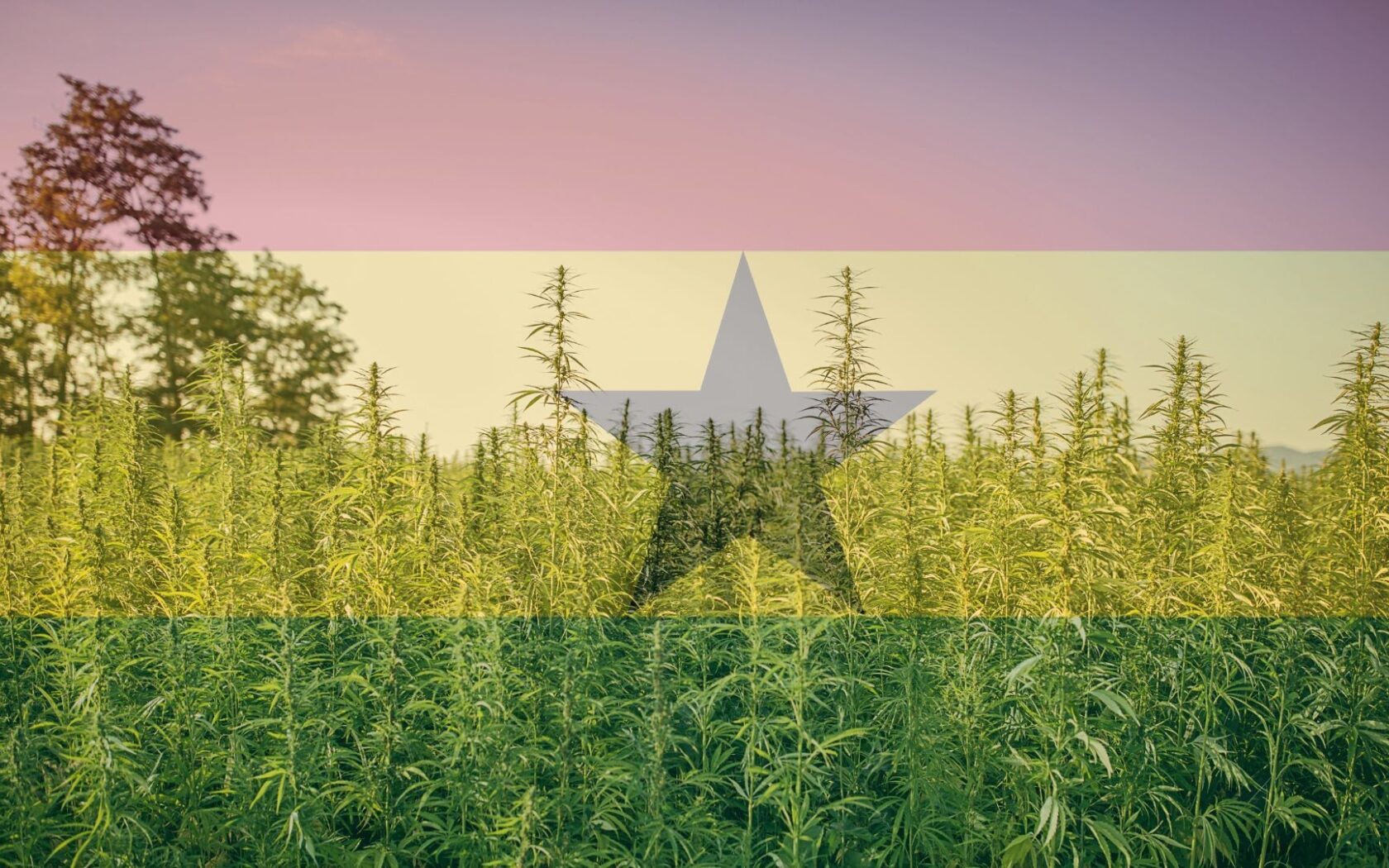
The New Legal Landscape for Ghana Cannabis Growers
Ghana has entered a new era where licensed Ghana cannabis growers can legally cultivate cannabis for industrial and medicinal use, but not for recreation. The government now allows only low‑THC varieties (hemp-style plants with very small psychoactive effects), which are used for products like textiles, food, and medicine. This shift is creating fresh opportunities for farmers, investors, and rural communities who want to participate in a regulated “green” economy.
To operate legally, Ghana cannabis growers must:
- Apply for a cultivation license through the Narcotics Control Commission
- Prove they have lawful access to land and can secure their farm
- Grow only approved low‑THC cannabis varieties
- Keep good records and follow quality and traceability rules
It is important to understand that recreational growing and use of high‑THC cannabis are still illegal. Farmers who grow without a license or exceed THC limits risk fines, losing their license, or even prison time. For responsible Ghana cannabis growers willing to follow the rules, however, this new legal framework opens the door to long‑term, sustainable business opportunities.
Opportunities and Challenges for Small-Scale Ghana Cannabis Growers
Small-scale Ghana cannabis growers stand at an important crossroads as the country opens up legal cannabis cultivation. While big companies may dominate headlines, small farmers can still claim a meaningful place in this new industry.
Opportunities for small-scale Ghana cannabis growers include:
- Diversified income: Adding legal cannabis to existing crops can create a more stable year-round income.
- Community cooperatives: Farmers can join forces to share costs for seeds, security, training, and processing.
- Niche, high-quality products: Small growers can focus on organic, traceable cannabis that appeals to health-conscious buyers.
Challenges for small-scale Ghana cannabis growers include:
- High start-up costs: Licensing fees, fencing, irrigation, and security systems can be expensive.
- Limited access to credit: Many small farmers struggle to get loans or investment to scale their operations.
- Technical know-how: Growing compliant, low-THC cannabis that meets strict quality standards requires training and ongoing support.
To succeed, small-scale Ghana cannabis growers will need strong partnerships, financial education, and access to fair markets so they are not pushed out by larger players.
Sustainable Cultivation Practices Among Ghana Cannabis Growers
As the industry grows, many Ghana cannabis growers are turning to sustainable methods that protect the land while supporting long-term profits. Ghana’s climate and rich soils make it possible to grow cannabis in ways that support both people and the environment.
Some key sustainable practices include:
- Soil health first: Using compost, cover crops, and minimal tilling to keep soil alive and fertile instead of relying only on chemical fertilizers.
- Smart water use: Installing drip irrigation, collecting rainwater, and watering early or late in the day to reduce waste and protect local water sources.
- Natural pest control: Planting companion crops, encouraging helpful insects, and using plant-based sprays instead of harsh pesticides.
Ghana cannabis growers can also:
- Rotate cannabis with food crops to prevent soil exhaustion and reduce disease.
- Use shade trees and windbreaks to protect plants, capture carbon, and support biodiversity.
- Focus on clean drying, curing, and storage so that sustainable farming leads to high-quality, export-ready products.
By choosing these practices, Ghana cannabis growers can build a reputation for safe, ethical, and environmentally friendly cannabis that stands out in the global market.
The Future of Ghana Cannabis Growers in the Global Market
The future looks promising for Ghana cannabis growers as more countries accept legal cannabis for industrial and medicinal use. With the right planning, Ghana can become a trusted source of high-quality, low-THC cannabis products for Africa and beyond. This could mean new jobs, export earnings, and stronger rural economies.
To compete in the global market, Ghana cannabis growers will need to:
- Meet strict international quality and safety standards
- Invest in proper testing, packaging, and branding
- Build reliable supply chains from farm to finished product
Looking ahead, Ghana cannabis growers could also benefit from:
- Partnerships with universities and labs to develop new hemp-based foods, textiles, cosmetics, and wellness products
- Fair trade and organic certifications that help their products stand out
- Digital tools that connect small farmers directly with buyers around the world
If Ghana continues to support training, fair policies, and local processing, Ghana cannabis growers can move from raw material suppliers to leaders in value-added, proudly “Made in Ghana” cannabis products.
Ghana cannabis growers are stepping into a powerful new chapter, but the real impact will depend on the choices made today. By staying informed, prioritizing sustainability, and pushing for fair policies, farmers, advocates, and consumers can help shape an industry that supports both people and the planet. Whether you’re watching from abroad or rooted in a local community, now is the time to follow these changes closely—and to support models of cannabis cultivation that are ethical, inclusive, and truly grounded in healing.