Why Gut Health Matters More Than Ever
If you've heard more people talking about gut health lately, you're not imagining it. Over the last few years, scientists have discovered just how much our digestive system affects things like immunity, mood, energy, and even inflammation. At the center of this research are two major players: probiotics and prebiotics.
While their names sound similar, they play very different roles in the body. Understanding the difference can help you make better choices about the foods you eat and the supplements you buy—especially if you're trying to support your natural wellness. Let's break it down.
What Are Probiotics?
Probiotics are live, "good" bacteria that support your digestive system. Think of them as friendly helpers that keep your gut functioning smoothly. These beneficial microbes can improve digestion, strengthen your immune system, and help maintain a balanced gut environment.
Common probiotic strains
Some of the most well-known probiotic strains include:
- Lactobacillus
- Bifidobacterium
- Saccharomyces boulardii (a beneficial yeast)
Different strains offer different benefits. For example, some help reduce bloating, while others support immune function or help with antibiotic-related digestive issues.
Natural food sources of probiotics
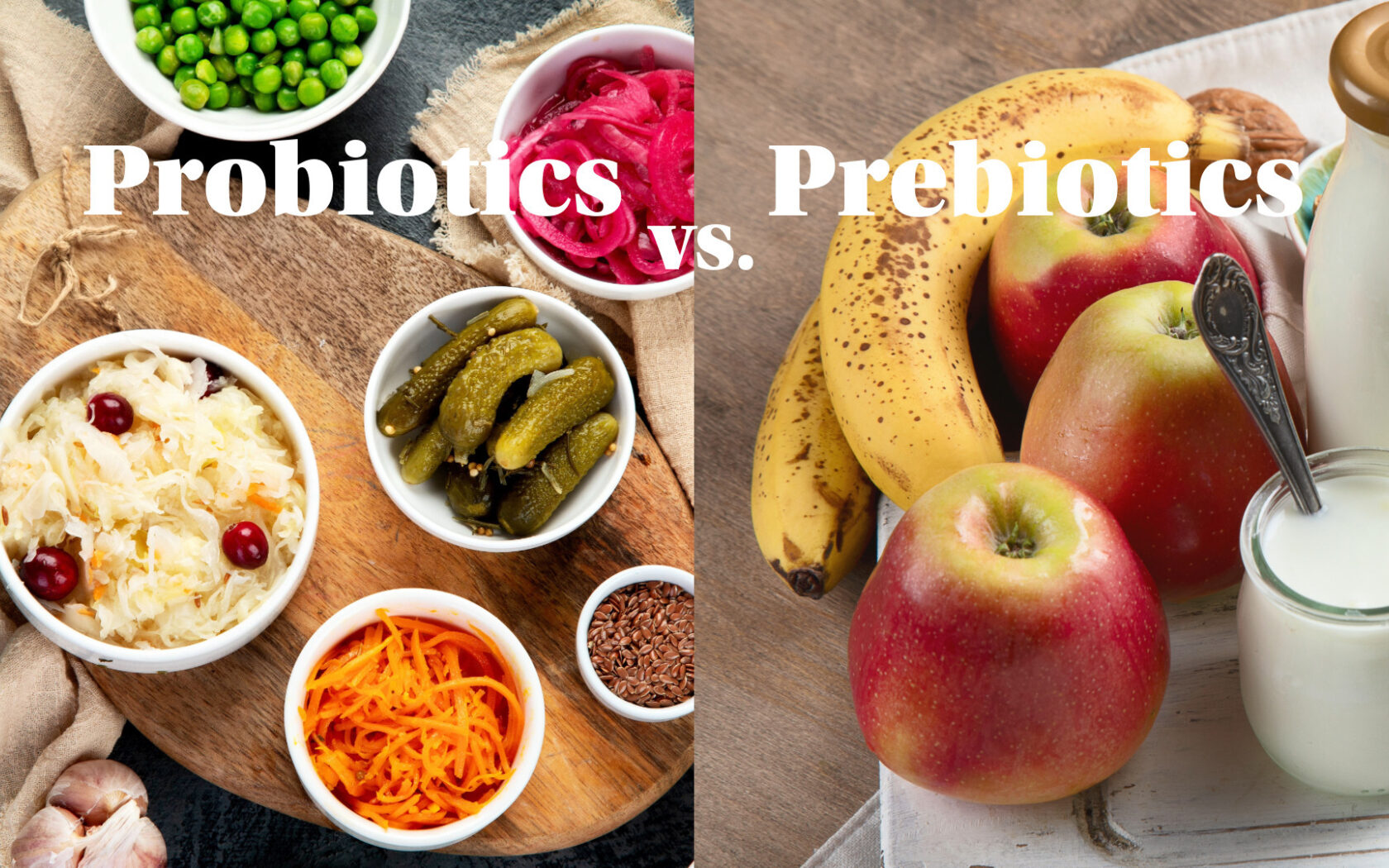
You don't need supplements to get probiotics—you can find them in many fermented foods, such as:
- Yogurt with live cultures
- Kefir
- Kombucha
- Sauerkraut
- Kimchi
- Miso
- Tempeh
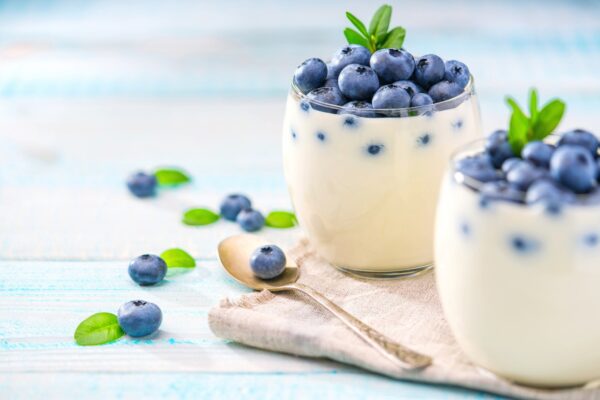
These foods naturally contain live, active cultures that help keep your gut flora thriving.
Why probiotics matter
Research has shown that probiotics may:
- Improve digestion
- Support immune health
- Reduce inflammation
- Improve nutrient absorption
- Support mood by helping regulate the gut-brain connection
Overall, probiotics help maintain gut balance, which is essential for feeling your best.
What Are Prebiotics?
If probiotics are the "good bacteria," prebiotics are the food that helps those bacteria grow. Prebiotics are specific types of fiber that the human body can't digest. Instead, they travel to the colon, where they feed your gut microbes and help them thrive.
Think of prebiotics as fertilizer for your gut garden.
Common types of prebiotic fibers
Some of the best-known prebiotic fibers include:
- Inulin
- Fructooligosaccharides (FOS)
- Galactooligosaccharides (GOS)
- Resistant starch
These fibers help increase the number of beneficial bacteria in your gut and support overall digestive health.
Natural food sources of prebiotics
You can find prebiotics in everyday foods like:
- Garlic
- Onions
- Leeks
- Asparagus
- Bananas
- Oats
- Apples
- Jerusalem artichokes
- Chicory root
Many high-fiber fruits, vegetables, and whole grains also contain prebiotic compounds.
Why prebiotics matter
Prebiotics support:
- Healthy digestion
- Regular bowel movements
- Improved mineral absorption
- Balanced blood sugar
- A stronger gut barrier
- Better support for probiotics
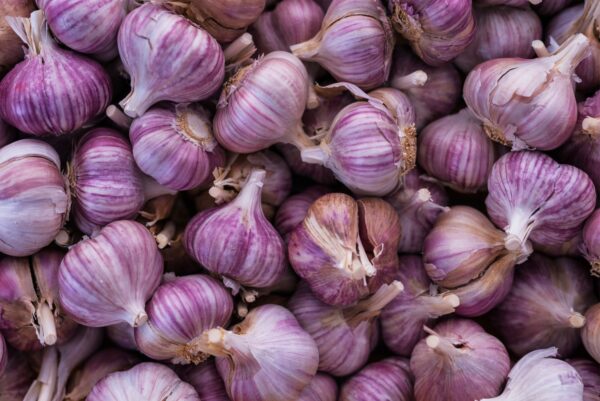
Without prebiotics, your gut bacteria can't grow—and probiotics won't be as effective.
Probiotics vs Prebiotics: How They Work Together
Even though probiotics and prebiotics play different roles, they work best when they work together.
Here's an easy way to understand it:
- Probiotics = The good bacteria
- Prebiotics = The food that keeps them alive and thriving
Just like you can't grow a garden without both seeds and soil nutrients, your gut can't stay balanced without both probiotics and prebiotics.
Synbiotics: The best of both worlds
You'll sometimes see products labeled as synbiotics. These combine both probiotics and prebiotics in one formula, giving your gut microbes the nutrients they need to grow right away. These are especially helpful for people looking for a simplified daily gut-health routine.
Common mistakes to avoid
Some people load up on probiotics but forget about fiber—the essential fuel those probiotics need. Without prebiotics:
- Probiotics don't survive as well
- Your gut bacteria diversity decreases
- You may not see the full benefits
A balanced approach always works best.
Should You Take Supplements? What to Know Before You Buy
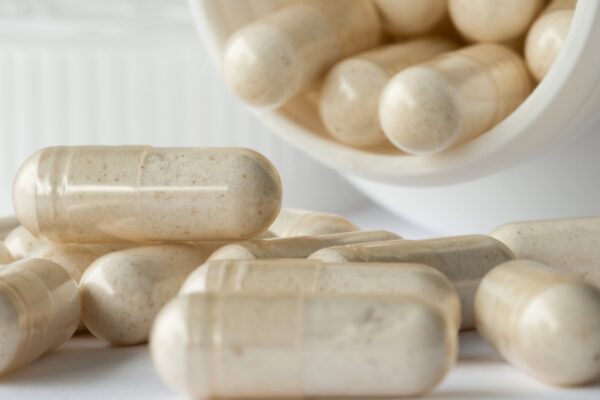
While food is the best place to start, supplements can be helpful depending on your goals or health challenges.
When probiotic supplements may help
People often consider probiotics if they:
- Recently took antibiotics
- Experience bloating or irregular digestion
- Want extra immune support
- Are managing stress or mood imbalances
- Have trouble getting fermented foods regularly
What to look for in probiotic supplements
If you're shopping for probiotics, here's what matters most:
- CFU count: More isn't always better, but a range of 1–20 billion CFUs is common.
- Strain diversity: Look for multiple strains, not just one.
- Third-party testing: Ensures purity and potency.
- Shelf stability: Some need refrigeration; others don't.
- Clearly labeled strains: A bottle labeled only "probiotic blend" without details is a red flag.
When prebiotic supplements may help
A prebiotic supplement can be helpful if you:
- Don't get enough fiber
- Struggle with regularity
- Want to support long-term gut health
Start slowly—prebiotics can cause temporary bloating if you add too much too quickly.
Food-first still wins
Supplements should fill the gaps, not replace whole foods. A diet rich in:
- Vegetables
- Fruits
- Whole grains
- Legumes
- Fermented foods
…will naturally support your gut's ecosystem.
How to Support Gut Health Naturally (Daily Habits & Easy Tips)
Improving your gut health doesn't have to be complicated. Small daily habits add up.

1. Eat more fiber
Fiber feeds your gut bacteria and helps keep digestion smooth. Aim to include fruits, vegetables, and whole grains in most meals.
2. Add fermented foods regularly
Try adding yogurt to breakfast, having kimchi with lunch, or sipping kombucha in the afternoon.
3. Stay hydrated
Water helps fiber do its job. Without enough hydration, digestion slows down.
4. Manage stress
Your gut and brain are deeply connected. Meditation, gentle movement, and time in nature can help regulate your stress response.
5. Move your body daily
Physical activity improves gut motility and overall gut health. Even a short walk can help.
6. Increase fiber slowly
If you're new to high-fiber foods or prebiotics, take it slow to avoid discomfort. Over time, your gut will adjust.
7. Consider a synbiotic
If you want a simple, ready-to-go solution, synbiotics offer probiotics + prebiotics in one step.
The Bottom Line on Probiotics vs Prebiotics
Both probiotics and prebiotics play essential roles in keeping your gut—and the rest of your body—healthy. Probiotics bring helpful bacteria into your system, while prebiotics feed those bacteria so they can grow and thrive.
The good news? You don't need complicated supplements or restrictive diets. A balanced approach that includes fiber-rich and fermented foods, along with a few smart habits, can naturally support your gut health.
Your wellness journey starts with understanding your gut—and giving it the support it needs every day.