
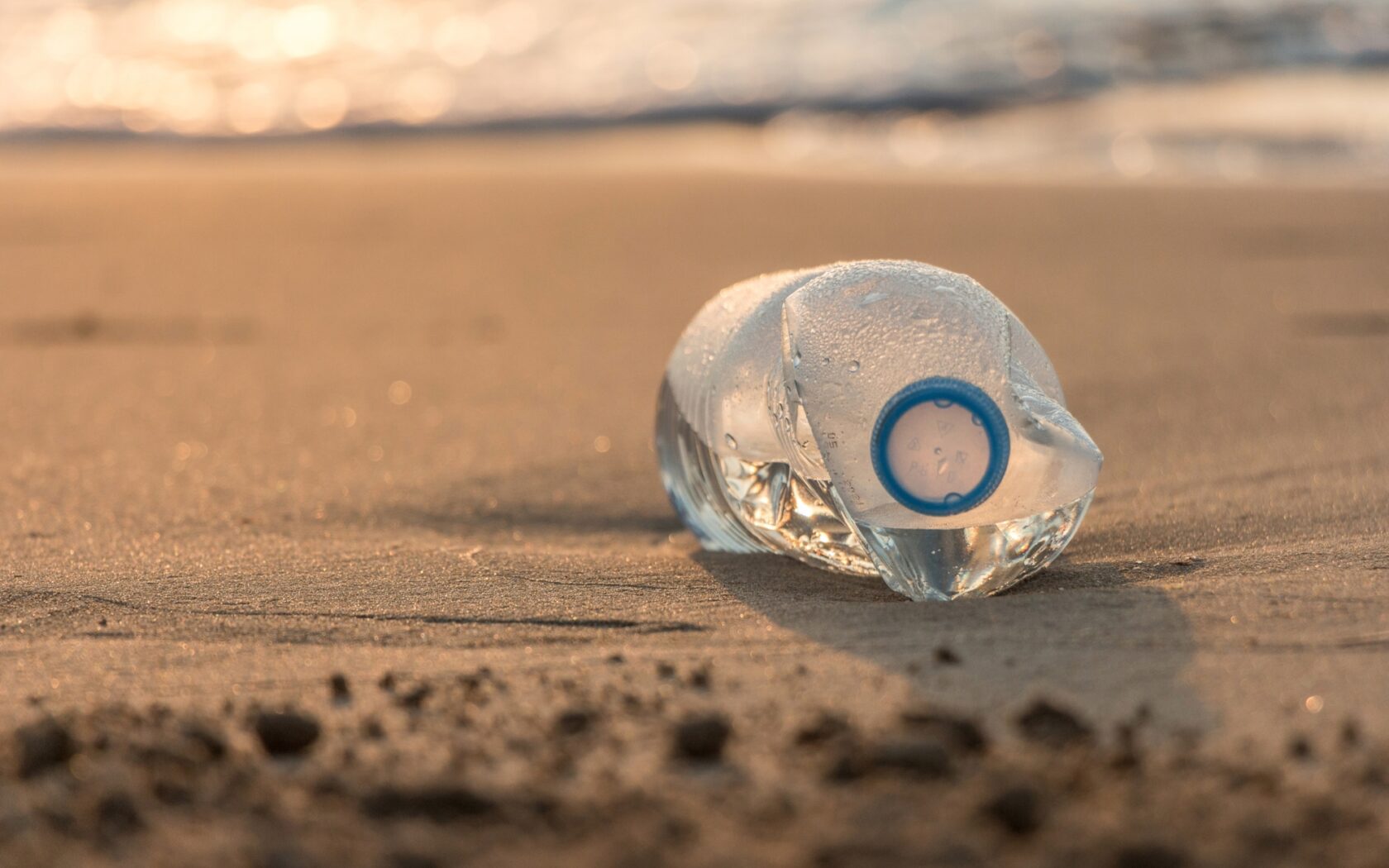
Microplastics: How They Affect Your Health and Your Gut
Plastic has increased convenience, but also created a health concern: microplastics. These tiny particles are found in food, water, air, and inside our bodies. Researchers are learning about their long-term health impacts, but it’s already clear that microplastics may significantly affect gut health and wellness.
As a nature-focused wellness community, knowing how microplastics affect us helps us make informed choices. Let’s look at what microplastics are, how they enter the body, what they may do to your gut, and how to naturally reduce exposure.
What Are Microplastics? (And Why They’re Everywhere)
Microplastics are tiny plastic pieces—less than five millimeters long—created by breaking down larger plastics or manufactured small.
There are two main types:
- Primary microplastics: Created small on purpose, such as microbeads once used in exfoliating products.
- Secondary microplastics: Formed when larger plastics (like bottles, bags, or clothing fibers) break down over time.
Microplastics are everywhere because plastic never fully biodegrades. Instead, it breaks into smaller pieces persisting in the environment for decades or longer. Microplastics are now detected in:
- Drinking water (both bottled and tap)
- Food, including seafood, salt, honey, and produce
- Household dust and air
- Soil and crops
This means daily exposure is nearly unavoidable, making it important to understand how microplastics interact with the human body.
How Microplastics Enter and Move Through the Body
Microplastics can enter the body in two main ways:
- Ingestion – eating or drinking contaminated food and water
- Inhalation – breathing in microplastic particles from the air
Once inside the body, microplastics can travel through the digestive system. Some particles pass through and are eliminated, but others may linger or interact with tissues, especially within the gut.
What makes microplastics especially concerning is not just the plastic itself, but what it carries. Microplastics can act like sponges, absorbing:
- Heavy metals
- Pesticides
- Endocrine-disrupting chemicals
- Harmful bacteria
These substances can then be released inside the body, increasing toxic exposure over time.
Microplastics and Gut Health: What the Research Shows
Your gut is the foundation of overall health. It plays a role in digestion, immunity, inflammation control, and even mood regulation. Emerging research suggests that microplastics may interfere with gut health in several important ways.
1. Disrupting the Gut Microbiome
The gut microbiome is trillions of helpful bacteria keeping digestion balanced. Studies suggest microplastics may:
- Reduce beneficial bacteria
- Encourage harmful bacteria to grow
- Alter microbial diversity
An imbalanced microbiome links to digestive issues, reduced immunity, and inflammation.
2. Damaging the Gut Lining
The gut lining protects your bloodstream from what you consume. Microplastics may irritate this lining, increasing intestinal permeability—sometimes called “leaky gut.”
When this barrier weakens, toxins and undigested food may enter the bloodstream, triggering immune responses and inflammation.
3. Triggering Inflammation and Oxidative Stress
Microplastics can trigger inflammation in gut tissue. Chronic inflammation connects to many issues, including digestive discomfort, autoimmune conditions, and metabolic disorders.
Potential Long-Term Health Effects of Microplastic Exposure
While research evolves, scientists are increasingly concerned about the long-term effects of repeated microplastic exposure, especially when it begins early in life.
Possible health impacts include:
- Hormone disruption: Many plastics contain endocrine-disrupting chemicals that may interfere with hormone balance.
- Immune system stress: Ongoing exposure may overstimulate immune responses.
- Metabolic effects: Inflammation and microbiome disruption may influence weight, blood sugar, and energy regulation.
- Neurological concerns: Early studies suggest microplastics may cross biological barriers, though more research is needed.
It’s important to note that this isn’t about panic—it’s about awareness. Understanding risk allows for proactive, protective choices.
Common Everyday Sources of Microplastics
You may be exposed to microplastics more often than you realize. Some of the most common sources include:
- Bottled water: Studies show bottled water often contains more microplastics than tap water.
- Plastic food containers: Especially when heated in microwaves.
- Tea bags: Some plastic-based tea bags release billions of microplastic particles when steeped.
- Seafood: Fish and shellfish may ingest microplastics from polluted waters.
- Synthetic clothing: Polyester, nylon, and acrylic fabrics shed microfibers during washing.
- Household dust: Microplastics accumulate indoors over time.
How to Reduce Microplastic Exposure and Support Gut Health Naturally
While you can’t eliminate microplastics entirely, small, intentional changes can significantly reduce exposure and help protect gut health.
Choose Safer Materials
- Use glass, stainless steel, or ceramic food containers
- Avoid heating food in plastic
- Choose loose-leaf tea or paper tea bags
Filter Your Drinking Water
A high-quality water filter can reduce microplastics and other contaminants, offering a simple daily upgrade.
Eat a Gut-Supporting Diet
A diet rich in whole, plant-based foods supports digestion and detox pathways. Focus on:
- Fiber-rich vegetables and fruits
- Fermented foods like sauerkraut, kimchi, and yogurt
- Anti-inflammatory foods such as leafy greens, berries, and healthy fats
Support the Microbiome
Probiotics and prebiotics may help maintain a resilient gut microbiome, potentially buffering against environmental stressors like microplastics.
Embrace Progress, Not Perfection
Reducing microplastic exposure is about mindful choices, not guilt. Every swap toward natural materials supports both personal health and environmental wellness.
Frequently Asked Questions
Can microplastics be removed from the body?
The body can eliminate some microplastics naturally, but reducing exposure and supporting gut health may improve the body’s ability to detoxify.
Are microplastics harmful to everyone?
Exposure affects people differently. Children, pregnant individuals, and those with compromised gut health may be more vulnerable.
Do probiotics help protect against microplastic damage?
While they don’t directly remove microplastics, probiotics may support gut resilience and reduce inflammation.
A Nature-Rooted Takeaway
Microplastics are an unfortunate reality of modern life, but knowledge is power. By understanding how microplastics affect gut health and overall wellness, we can take grounded, natural steps toward protection—not fear.
At Hopegrown, we believe wellness grows from informed choices, connection to nature, and daily habits that honor the body’s wisdom. Supporting your gut is one meaningful way to grow hope—from the inside out.