The Health Benefits of Kelp for Thyroid, Metabolism, and More
If you’ve been exploring natural ways to support your health, kelp has probably come up—especially around thyroid support, metabolism boost, weight management, antioxidant properties, and heart health. This mineral-rich sea vegetable has been used for centuries, but it’s now getting renewed attention in modern wellness circles.
Kelp stands out because it delivers nutrients that are harder to get from land-based foods, particularly iodine and trace minerals that play a direct role in how your body produces energy and regulates key systems. But like most powerful foods, it works best when used thoughtfully. Let’s break down what kelp actually does in the body—and how to use it in a way that supports your long-term health.

What Is Kelp and Why It Matters for Health
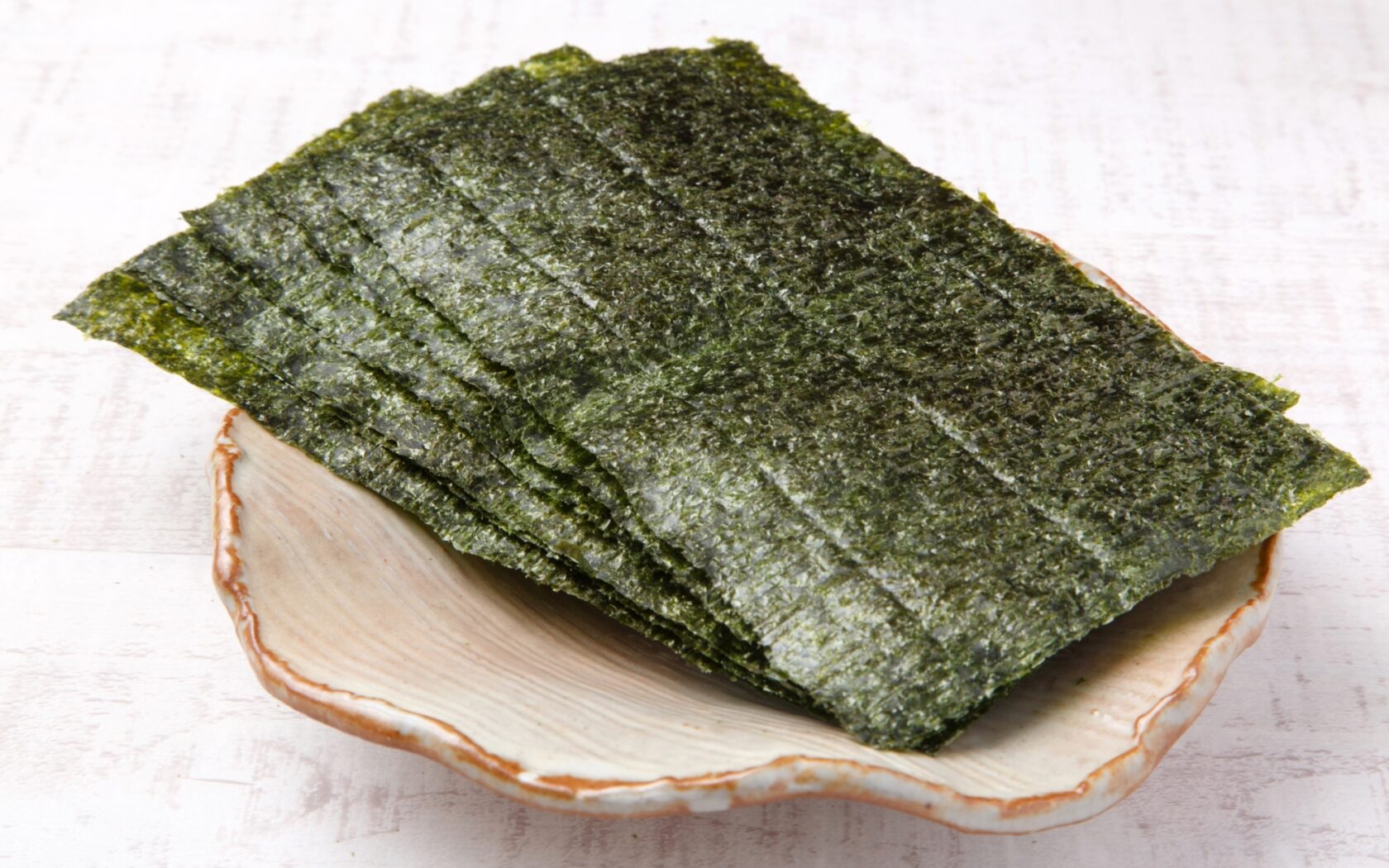
Kelp is a type of brown seaweed that grows in underwater forests along coastlines. Unlike many trendy “superfoods,” kelp earns its reputation through sheer nutrient density rather than hype.
It’s especially rich in:
- Iodine, which is essential for thyroid function
- Trace minerals like magnesium, calcium, and iron
- Fiber, including unique compounds like alginate
- Antioxidants such as fucoxanthin
What makes kelp unique is how these nutrients work together. You’re not just getting one isolated benefit—you’re supporting multiple systems at once, from hormone balance to cardiovascular health.
For people focused on holistic wellness, kelp can be a valuable addition because it fills common nutritional gaps. Modern diets often lack iodine and trace minerals, especially if you’re not eating seafood regularly or using iodized salt.
At the same time, kelp isn’t something to consume mindlessly. Its potency is exactly what makes it effective—and also why balance matters. Think of it less like a daily staple and more like a targeted nutritional tool that can support your body when used intentionally.

Thyroid Support and Metabolism Boost
The biggest reason kelp gets attention is its impact on thyroid health. Your thyroid relies on iodine to produce hormones that regulate metabolism, energy levels, and even mood.
Without enough iodine, the thyroid can’t function efficiently. This can lead to symptoms like fatigue, sluggish metabolism, and difficulty maintaining a healthy weight.
Kelp provides a natural, bioavailable source of iodine, which can help:
- Support healthy thyroid hormone production
- Promote a more efficient metabolism
- Improve energy regulation throughout the day
Because your thyroid directly controls how your body uses energy, supporting it can feel like a metabolism boost—but it’s really about restoring balance, not forcing your body to “burn faster.”
That said, more iodine isn’t always better. Too much can actually disrupt thyroid function, especially if you already have a thyroid condition. This is where a lot of people go wrong with kelp supplements.
A practical approach:
- Use small, consistent amounts rather than high doses
- Pay attention to how your body responds
- Be cautious if you have hyperthyroidism or autoimmune thyroid issues
When used appropriately, kelp can gently support one of the most important systems in your body—without relying on stimulants or quick fixes.

Weight Management, Heart Health, and Antioxidant Power
Kelp’s benefits go beyond thyroid support. It also plays a role in weight management and heart health, largely due to its fiber and antioxidant content.
One of its standout compounds is alginate, a type of fiber that may help reduce fat absorption in the gut. While it’s not a magic solution, it can support weight management when combined with a balanced diet.
Kelp also contains fucoxanthin, a carotenoid that’s been studied for its potential to:
- Support fat metabolism
- Reduce inflammation
- Protect cells from oxidative stress
These antioxidant properties matter because chronic inflammation and oxidative damage are at the root of many long-term health issues, including cardiovascular disease.
When it comes to heart health, kelp may help:
- Support healthy cholesterol levels
- Promote balanced blood pressure
- Improve overall vascular function
Another underrated benefit is its impact on gut health. The fibers in kelp can act as prebiotics, feeding beneficial bacteria and supporting digestion. And as you know, a healthy gut is closely tied to everything from immunity to mental wellness.
So while kelp is often marketed for metabolism or weight loss, its real value is broader—it supports the systems that make sustainable health possible.
How to Use Kelp Safely and Effectively
Kelp is available in several forms, and the best choice depends on your lifestyle and goals.
Common options include:
- Dried kelp or seaweed (added to soups, broths, or salads)
- Kelp powder (easy to sprinkle into meals or smoothies)
- Capsules or supplements (more convenient but easier to overdo)
If you’re just starting out, food-based forms are usually the safest. They provide a more moderate dose of iodine and come with additional nutrients that support absorption.
A few practical tips:
- Start small—your body doesn’t need much
- Avoid combining multiple iodine-rich supplements
- Be mindful of total intake, especially if you already consume seaweed or iodized salt
There’s also the question of quality. Because kelp grows in the ocean, it can absorb heavy metals depending on where it’s harvested. Choosing reputable sources that test for contaminants makes a real difference.
And finally, if you have a thyroid condition, are pregnant, or are taking medications that affect hormone levels, it’s worth being more cautious and intentional with use.
Kelp can be incredibly supportive—but like most things in wellness, the benefits come from using it wisely, not excessively.
Kelp is one of those rare foods that bridges traditional wisdom and modern nutrition. It offers real support for thyroid function, metabolism, weight management, antioxidant protection, and heart health—all in a single, natural source.
The key is understanding that it’s not a shortcut or a cure-all. It works best as part of a balanced approach to health, where you’re supporting your body consistently rather than chasing quick results. When used thoughtfully, kelp can be a simple but powerful addition to a well-rounded wellness routine.