
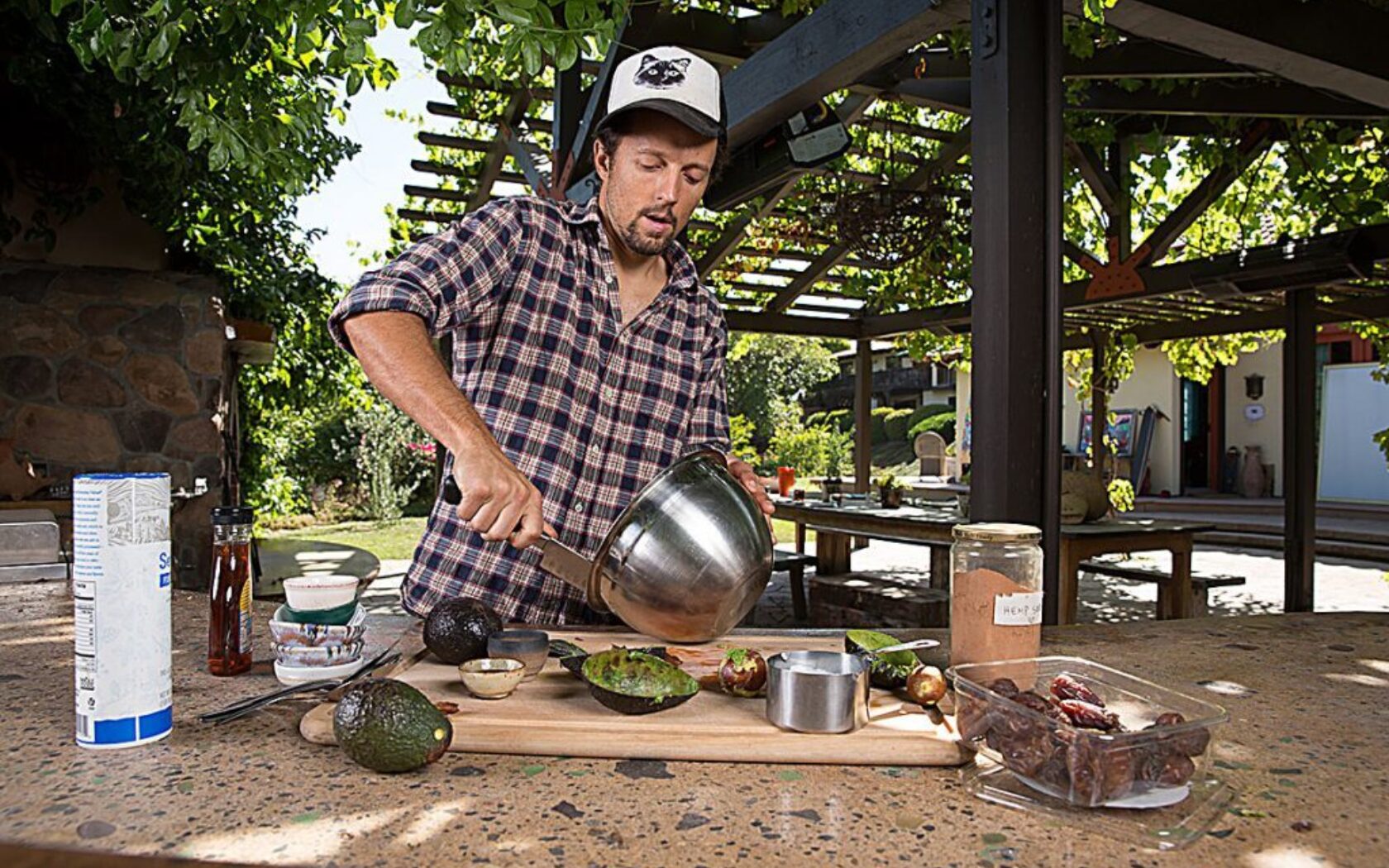
The next time you add guacamole to a Chipotle order, some of those avocados may have come from Jason Mraz’s farm in Southern California. Yes, the Grammy-winning singer is also an avocado grower, and his Mraz Family Farms has supplied avocados for Chipotle’s guacamole.
But the more interesting part of this story is not the celebrity connection. It is the farm’s commitment to regenerative farming: an approach that aims to improve soil, protect biodiversity, and grow food with a longer view in mind. For anyone interested in wellness, sustainable food, or conscious capitalism, this is a reminder that what is on our plate begins long before the kitchen.
Does Jason Mraz Supply Avocados to Chipotle?
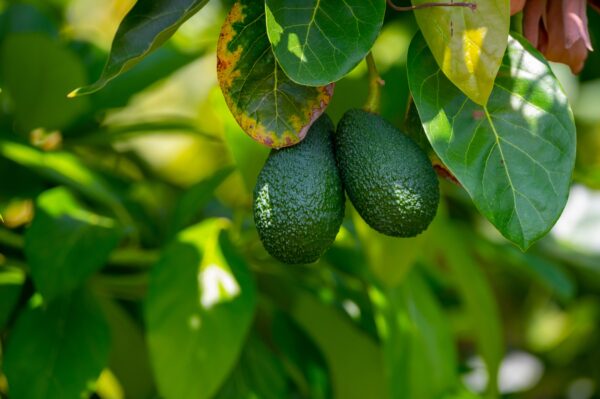
Jason Mraz has been connected to farming for years. After purchasing an orchard near San Diego in 2004, he gradually became more involved in the daily work of growing food. What began as a personal connection to the land developed into Mraz Family Farms, a farming operation known for growing avocados alongside crops such as coffee and passion fruit.
The farm has supplied avocados used in Chipotle guacamole, particularly within California. That does not mean every avocado—or every scoop of guac—at Chipotle comes from Mraz Family Farms. Chipotle works with a much broader network of growers to meet demand across its restaurants. Still, the relationship offers a meaningful example of how a large food company can purchase from a farm that is trying to do things differently.
Mraz’s farm describes its approach as organic, fair, kind, and regenerative. Those words matter because avocado farming is often discussed only in terms of water use, pricing, or food trends. Those are valid concerns, but they are not the whole picture.
How a farm treats its soil, manages pests, protects habitat, supports workers, and plans for drought can shape the long-term health of a food system. A bag of avocados may look simple at the store, but each one reflects many choices made on the land before it reaches a restaurant or kitchen.
That is why this story is worth more than a fun celebrity fact. It opens the door to a larger conversation: What would it look like if more everyday foods were grown in ways that restore the places they come from?

How Regenerative Farming Can Change Avocado Growing
Regenerative farming is often described as farming that gives back more than it takes. That sounds simple, but it involves a real shift in priorities. Instead of treating soil as a surface that merely holds plants in place, regenerative growers see it as a living ecosystem worth protecting.
At an avocado farm, that can include practices designed to build healthier soil, improve water retention, and support more life above and below ground. The goal is not perfection. Farming always comes with tradeoffs, weather challenges, pests, labor needs, and financial pressure. The goal is to keep moving toward a stronger and more resilient farm over time.
Common regenerative agriculture practices may include:
- Adding compost and organic matter to support soil life
- Keeping the ground covered with plants or mulch to limit erosion
- Reducing dependence on synthetic fertilizers and chemical inputs
- Supporting beneficial insects, pollinators, and native habitat
- Using water more thoughtfully, especially in dry climates
- Growing diverse crops rather than relying on a single crop alone
For avocado growers, soil health is especially important. Healthy soil can hold more water, helping trees cope during hot, dry stretches. It can also reduce runoff, protect nutrients from washing away, and create better conditions for roots to grow.
It is helpful to understand the difference between sustainable farming and regenerative farming. Sustainable farming usually focuses on reducing harm and maintaining resources for the future. Regenerative farming goes a step further by aiming to rebuild soil, biodiversity, and ecological resilience.
That does not mean every product labeled regenerative automatically delivers those outcomes. The term needs meaningful standards and real accountability. Still, when farms commit to healthier soil and more diverse ecosystems, they are moving food production in a direction that benefits both people and the planet.
Why Better Avocado Farming Matters for Wellness
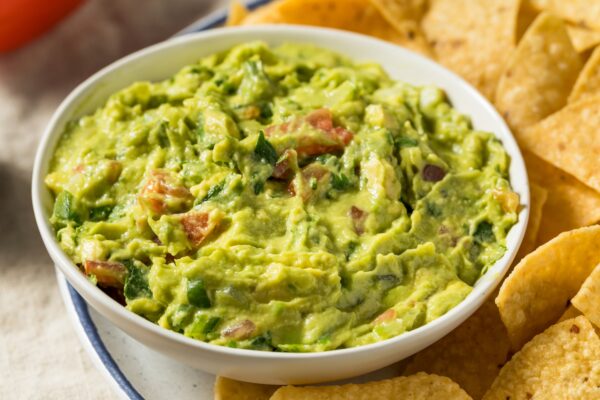
When we think about wellness, we often focus on what a food contains: fiber, fats, vitamins, protein, or calories. Those details matter. Avocados offer fiber and mostly unsaturated fats, and they can be a satisfying part of a balanced eating pattern. They pair well with vegetables, beans, whole grains, eggs, fish, and many other nourishing foods.
But food wellness is bigger than a nutrition label.
The way food is grown affects the larger system that supports our health. Soil quality can influence how well crops grow. Water practices affect surrounding communities and local ecosystems. Biodiversity can help farms manage pests more naturally. Fairer, more stable relationships between food companies and growers can make it easier for farms to invest in long-term improvements rather than chase the cheapest short-term option.
This does not mean you need to feel guilty over every avocado toast or burrito bowl. Individual food choices matter, but they happen within a system that consumers do not fully control. Most people are doing the best they can with their budget, location, time, and available options.
A healthier approach is to stay curious.
When possible, consider questions such as:
- Where does this food come from?
- Does the brand share meaningful information about its growers?
- Is the company investing in soil health, water stewardship, and fair sourcing?
- Can I buy seasonal, local, organic, or responsibly grown foods when they are accessible to me?
- Am I using the food I buy, or letting it go to waste?
The answers will not always be easy to find. That is part of the problem. Food sourcing should be easier to understand, not hidden behind vague claims and pretty packaging.
Mraz’s regenerative avocado farm offers one hopeful example of a different model. It suggests that wellness can include not only how food makes us feel today, but also how its production affects the land and communities that will feed us tomorrow.
What This Partnership Says About Conscious Capitalism
Conscious capitalism is the idea that businesses can pursue profit while also considering people, communities, and the planet. In food, that means looking beyond low prices and fast supply. It means asking whether a company’s purchasing decisions help create a stronger, fairer, and more sustainable food system.
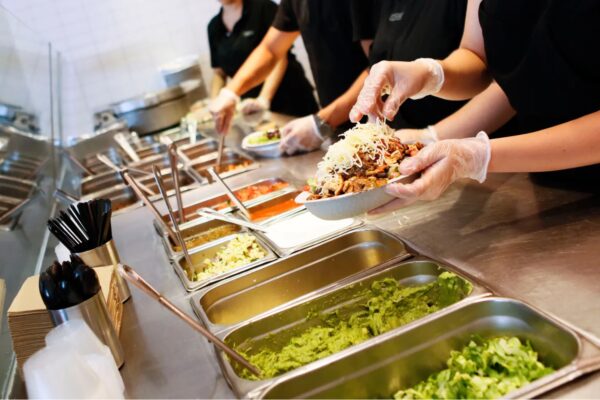
The relationship between Mraz Family Farms and Chipotle offers a useful case study. A major restaurant brand has enormous purchasing power. When it buys from growers using regenerative practices, it can help create demand for farming methods that may take more time, patience, and investment than conventional approaches.
That is the opportunity.
Large companies can support better food systems when they commit to long-term farmer relationships, pay fairly, invest in grower education, and make their sourcing standards clear. They can help farmers adopt new practices by sharing financial risk rather than expecting growers to make costly changes alone.
But conscious capitalism is not proven by a single partnership, celebrity story, or sustainability campaign.
For the idea to mean something, companies should be willing to show their work. That includes being transparent about where ingredients come from, what standards suppliers must meet, how workers are treated, how water is managed, and whether progress can be measured over time.
Consumers can also hold two thoughts at once: It is encouraging when a large company supports regenerative farming, and it is reasonable to expect more than good marketing.
The real value of this story is not that Jason Mraz’s farm makes Chipotle more interesting. It is that it makes regenerative agriculture more visible. When consumers see soil health, ethical sourcing, and farm resilience as part of food quality, companies have more reason to take those issues seriously.
A Better Way to Think About Guacamole
Jason Mraz supplying avocados for Chipotle guacamole is a fun fact, but it points to something more important. Regenerative farming asks us to see food as part of a living system: one connected to soil, water, biodiversity, farm workers, and the businesses that decide what gets purchased at scale.
No farm, restaurant, or consumer can fix the food system alone. Still, supporting transparency, reducing food waste, and choosing responsibly grown food when it is available can move the conversation forward. The goal is not perfect eating. It is building a food culture that values long-term health—for people and the planet.