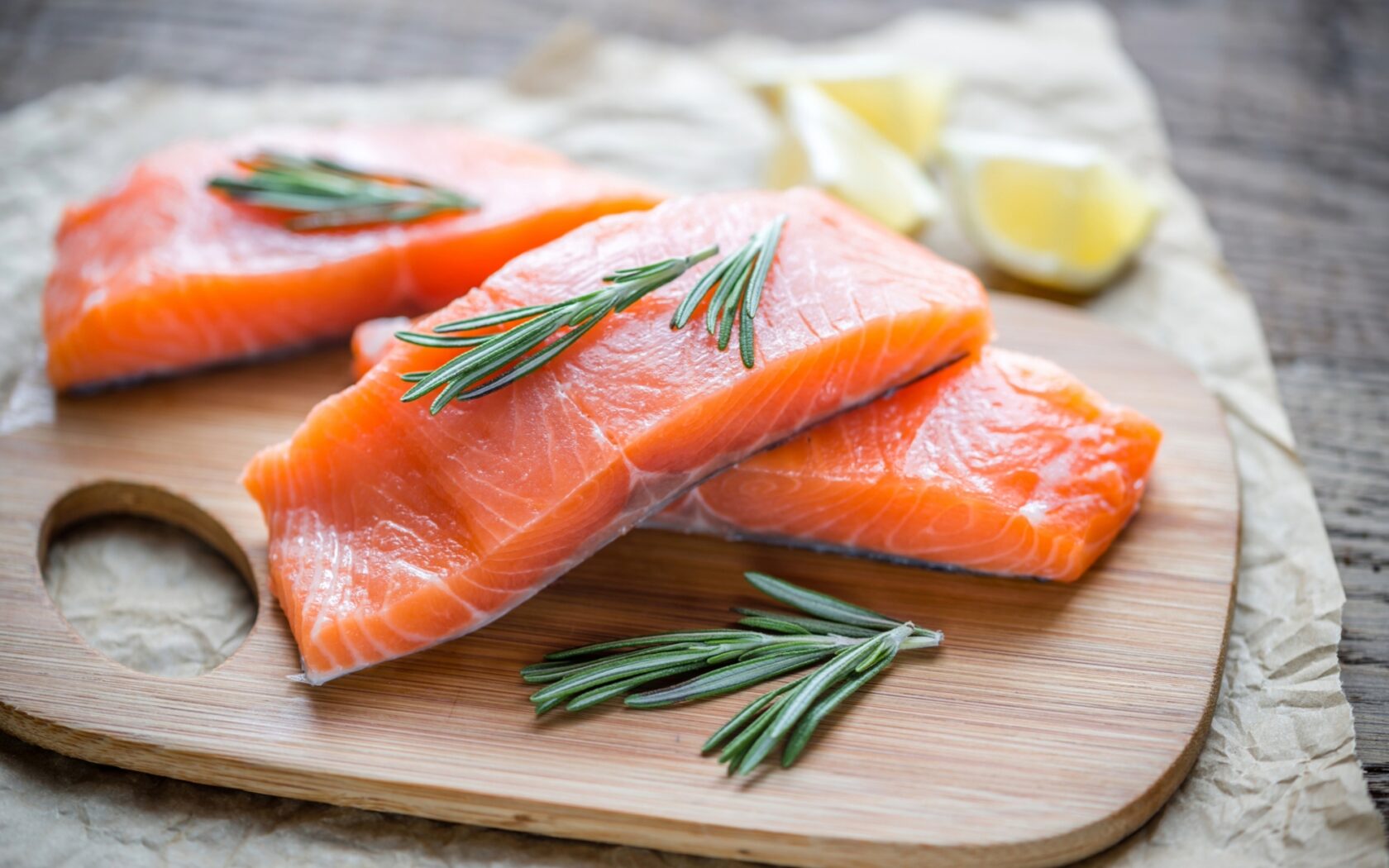
Salmon has a glow about it in the wellness world—a “good fat” halo, a heart‑healthy reputation, a place of honor on so many vibrant plates. But when we zoom out from the fillet in front of us to the ocean it came from, the story gets more complicated: the same fish that supports our brains and hearts may be linked to crowded open‑net farms, stressed wild populations, and coastal ecosystems struggling under the weight of our demand.
At Hopegrown, we believe every bite is a relationship—between you, your body, and the living systems that make your meals possible. This article is an invitation to look more closely at salmon through that lens: to explore what the latest science is saying about farmed and wild salmon, to name both the gifts and the costs, and to help you choose if (and how) salmon fits into a way of eating that heals more than it harms.
A wellness lens on salmon
At Hopegrown, we talk a lot about food as relationship—between you, your body, and the ecosystems that make every meal possible. Salmon sits right at the center of that relationship. It is a nutritional powerhouse, rich in omega‑3 fats that support heart, brain, and mental health, and it offers high‑quality protein in a form many people enjoy. At the same time, much of the farmed salmon on today’s market is raised in ways that strain wild fish populations, coastal communities, and the resilience of our oceans.
Instead of asking, “Is salmon good or bad?” a Hopegrown mindset asks, “What story does this salmon carry—and do I want that story living in me?”
The hidden story in farmed salmon
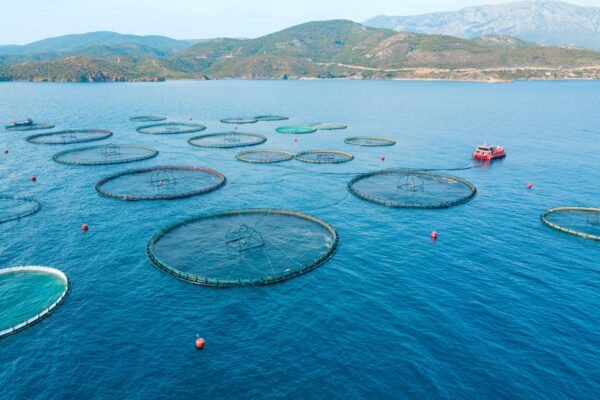
Most salmon sold globally is raised in open‑net pens—large floating cages anchored in coastal waters. From above, they can look clean and efficient; below the surface, the picture shifts.
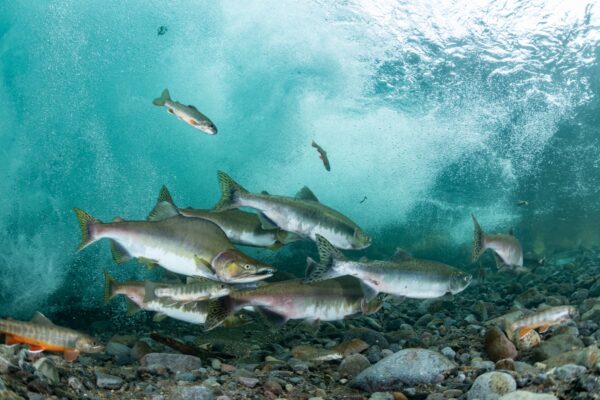
Inside those pens, thousands of fish live in close quarters, creating ideal conditions for parasites like sea lice and for the spread of disease. These parasites and pathogens don’t stay neatly inside the cages; they can pass to wild salmon swimming by, adding pressure to populations already stressed by warming waters and habitat loss.
There’s also the issue of feed. Salmon are carnivorous, so they are often fed pellets made partly from wild‑caught “forage fish” such as anchovies and sardines—species that could otherwise feed coastal communities directly. Investor research from the FAIRR Initiative warns that nearly 90% of global wild fish stocks are already fully fished or overfished, and that the industry’s heavy reliance on these fish for feed is both an ecological and food‑security red flag. From a Hopegrown perspective, taking nutrient‑dense wild fish away from communities to grow a more profitable fish higher up the chain is the opposite of regenerative.
Ocean health as part of personal health
Open‑net salmon farms don’t just use the ocean; they also change it. Waste from uneaten feed, fish feces, and chemical treatments drops straight through the nets, building up on the seafloor and overloading local ecosystems with nutrients. Over time, this can shift the whole community of life on the bottom, reducing biodiversity and making it harder for those areas to bounce back.
To control sea lice and disease, farms may use anti‑parasitic drugs and antibiotics, some of which have been detected in sediments beyond the farm boundaries. Environmental groups and legal challenges in places like British Columbia have pushed governments toward phasing out open‑net pens, citing evidence of risks to wild salmon and coastal ecosystems. For Hopegrown, these are not just “industry issues”—they are reminders that our wellness choices ripple outward, touching Indigenous rights, local food security, and the long‑term healing of our oceans.
Making space for better salmon stories
None of this erases salmon’s genuine health benefits. Omega‑3‑rich salmon has been linked with lower risk of heart disease and stroke, more flexible blood vessels, and possible protection against cognitive decline. For many people, it’s a gentle on‑ramp into eating more nutrient‑dense, whole foods from the sea.
The Hopegrown path isn’t about guilt; it’s about intentionality. That might look like:
- Eating salmon less often, but choosing sources you feel good about.
- Treating salmon as a special, mindful meal instead of an everyday default.
- Asking questions at the seafood counter or restaurant: Is this wild? Where was it caught or farmed? Is it certified by a body like the Marine Stewardship Council or Aquaculture Stewardship Council?
It can also mean widening your definition of “healing seafood.” Smaller wild fish like sardines or mackerel (when caught from better‑managed fisheries) provide similar or even higher levels of omega‑3s without the same feed and farming footprint. In many ways, they align even more closely with a Hopegrown philosophy of honoring the whole ecosystem.
Emerging alternatives and reasons for hope
There is real movement toward better practices. Land‑based “closed‑containment” systems are being tested and scaled, keeping fish waste and parasites out of wild waters. Some companies are experimenting with feeds that rely more on fish by‑products and plant‑based ingredients instead of whole wild fish, which could reduce pressure on marine food webs if adopted thoughtfully.
Policy is shifting too. In Canada’s British Columbia and parts of Europe, public pressure, Indigenous leadership, and scientific reviews have pushed governments to plan for a transition away from open‑net salmon farms toward more contained systems. These changes are imperfect and contested, but they signal something powerful: people are willing to re‑imagine how we grow food from the sea.
As a community rooted in healing, we can lend our voices to that re‑imagining—supporting brands and policies that prioritize ocean recovery over short‑term profit.
How to choose salmon the Hopegrown way
When salmon is on the menu, you can use a few simple questions to align your choice with your values:
- How often am I eating it?
Treat salmon as an occasional, intentional food, not a daily staple, especially if your access is mostly to generic farmed Atlantic salmon. - What story does this label tell?
- Prefer wild salmon from well‑managed fisheries, ideally with independent certifications like MSC.
- If choosing farmed, look for ASC or regional eco‑labels, understanding that these are harm‑reduction steps, not perfection.
- Is there a nourishing alternative today?
Sometimes the most regenerative choice is swapping in another omega‑3‑rich food—like sardines, mackerel, flax, or walnuts—and saving salmon for a time when you can source it with confidence.
This is how we practice hope on the plate: not by chasing purity, but by choosing the next most aligned option available to us.
Salmon sustainability at a glance
Here’s a simple chart you can adapt for Hopegrown blogs, workshops, or social posts:
Aspect | Pros of Eating Salmon | Concerns to Be Mindful Of |
| Personal health | Rich in omega‑3 fats that support heart, brain, and mental health; high‑quality protein that keeps you fuller longer. | Relying heavily on farmed salmon for omega‑3s can ignore gentler options like smaller wild fish, flax, or walnuts that may carry fewer ecosystem trade‑offs. |
| Ocean health | Some wild fisheries and land‑based farms are working to produce salmon with lower impacts, tighter waste controls, and better oversight. | Open‑net farms can pollute coastal waters, spread parasites and disease to wild salmon, and alter seafloor ecosystems under the cages. |
| Wild fish and feed | Innovations in feed using by‑products and plant ingredients could reduce pressure on wild forage fish if widely adopted. | The industry still relies heavily on wild‑caught fish for feed, in a world where nearly 90% of fish stocks are already fully or over‑exploited. |
| Community and justice | When sourced thoughtfully, salmon can support Indigenous and local fishers whose cultures and livelihoods are intertwined with wild runs. | Industrial farms can conflict with coastal communities and Indigenous rights, especially when open‑net pens are placed in sensitive migratory routes. |
| Future resilience | Shifting policy, investor pressure, and consumer awareness are pushing the industry toward more contained, regenerative models. | As demand grows, scaling intensive, feed‑hungry salmon farming without deep reform risks further eroding ocean resilience and food security. |
Through a Hopegrown lens, salmon is not a simple “yes” or “no.” It’s an invitation to practice curiosity, to honor the waters that feed us, and to remember that every choice we make at the table can be a small act of restoration—for our own bodies and for the blue planet we call home.