Infrared vs. Traditional Sauna: Benefits, Heat, and Comfort
A little warmth can feel especially welcome when your muscles are tight and your mind won’t slow down. But when you start comparing infrared vs. traditional sauna options, a simple wellness ritual can suddenly sound complicated. Is hotter better? Does infrared heat offer something different? And how much of the health talk holds up?
Both types of sauna can offer a space to unwind, but their heating mechanism, atmosphere, and research background differ. Understanding those differences can help you choose without getting pulled into exaggerated promises. Here’s what to know about the health and wellness benefits, user experience and comfort, and practical safety considerations before you settle in for a sweat.
How Infrared and Traditional Saunas Heat Your Body
The biggest difference between these saunas is how they deliver heat—not whether one makes you sweat more impressively.
Traditional saunas: Heating the space around you
A traditional sauna uses an electric or wood-burning heater, often with heated rocks, to raise the room’s temperature. The hot air and surrounding surfaces then warm your body.
Temperatures commonly fall between 150°F and 195°F, although settings vary. In many Finnish-style saunas, pouring water over the rocks creates a brief burst of steam that changes how the heat feels.
That doesn’t make a traditional sauna the same as a steam room. Steam rooms maintain much higher humidity, while traditional saunas generally have drier air between those bursts.
Infrared saunas: Delivering radiant warmth
Infrared saunas use panels or lamps that give off infrared energy, warming your body more directly. The air still gets warm, but the room doesn’t need to reach the same high temperature.
Typical operating temperatures are around 110°F to 135°F, depending on the equipment and settings.
Think of the difference as sitting in a hot room versus feeling radiant warmth reach your skin. Both can raise your body temperature and trigger sweating, but the experience may be noticeably different.
The heating mechanism also explains why temperature alone isn’t a fair measure of a session’s intensity. How long you stay, the humidity, the equipment, and your own heat tolerance all matter. An infrared sauna’s lower thermostat reading is not permission to stay indefinitely.
Health and Wellness Benefits: What Can You Realistically Expect?
Sauna bathing can be a supportive wellness practice. It becomes less helpful when it’s presented as a shortcut around exercise, medical care, or everyday health habits.
Relaxation and physical comfort
For many people, the most immediate benefit is straightforward: warmth feels good, and sitting quietly creates room to decompress.
Some people also notice temporary relief from muscle soreness or stiffness. Small studies suggest possible benefits for certain chronic pain conditions, but results aren’t strong enough to promise relief—or to establish one sauna type as the better treatment.
A pleasant session can have value without needing to solve a medical problem.
Heart health: Promising findings, important limits
Heat exposure widens blood vessels and increases heart rate as your body works to cool itself. These responses explain some of the interest in sauna bathing and cardiovascular health.
Much of the longer-term research involves traditional Finnish saunas. Observational studies have linked regular use with better cardiovascular outcomes, but an association doesn’t prove the sauna caused those outcomes. Other habits and differences between participants may contribute.
Infrared research is encouraging in some areas, but many studies are small or involve specific clinical settings. Findings from one sauna type or supervised treatment program shouldn’t automatically be applied to every commercial session.
What about detox and weight loss?
Sweating helps regulate body temperature; it isn’t proof of meaningful “toxin removal.” Likewise, a lower number on the scale immediately afterward mainly reflects fluid loss, not lasting fat loss.
Neither sauna type has been established as the overall health winner. Consider possible benefits a complement to your routine, not a replacement for movement, nutrition, sleep, or necessary treatment.
User Experience and Comfort: Which Kind of Heat Feels Right?
The best sauna experience isn’t necessarily the hottest one. It’s the one you can use safely and genuinely enjoy.
What a traditional sauna feels like
A traditional sauna surrounds you with heat. The air feels hot against your skin, and adding water to the rocks can make the warmth feel more intense.
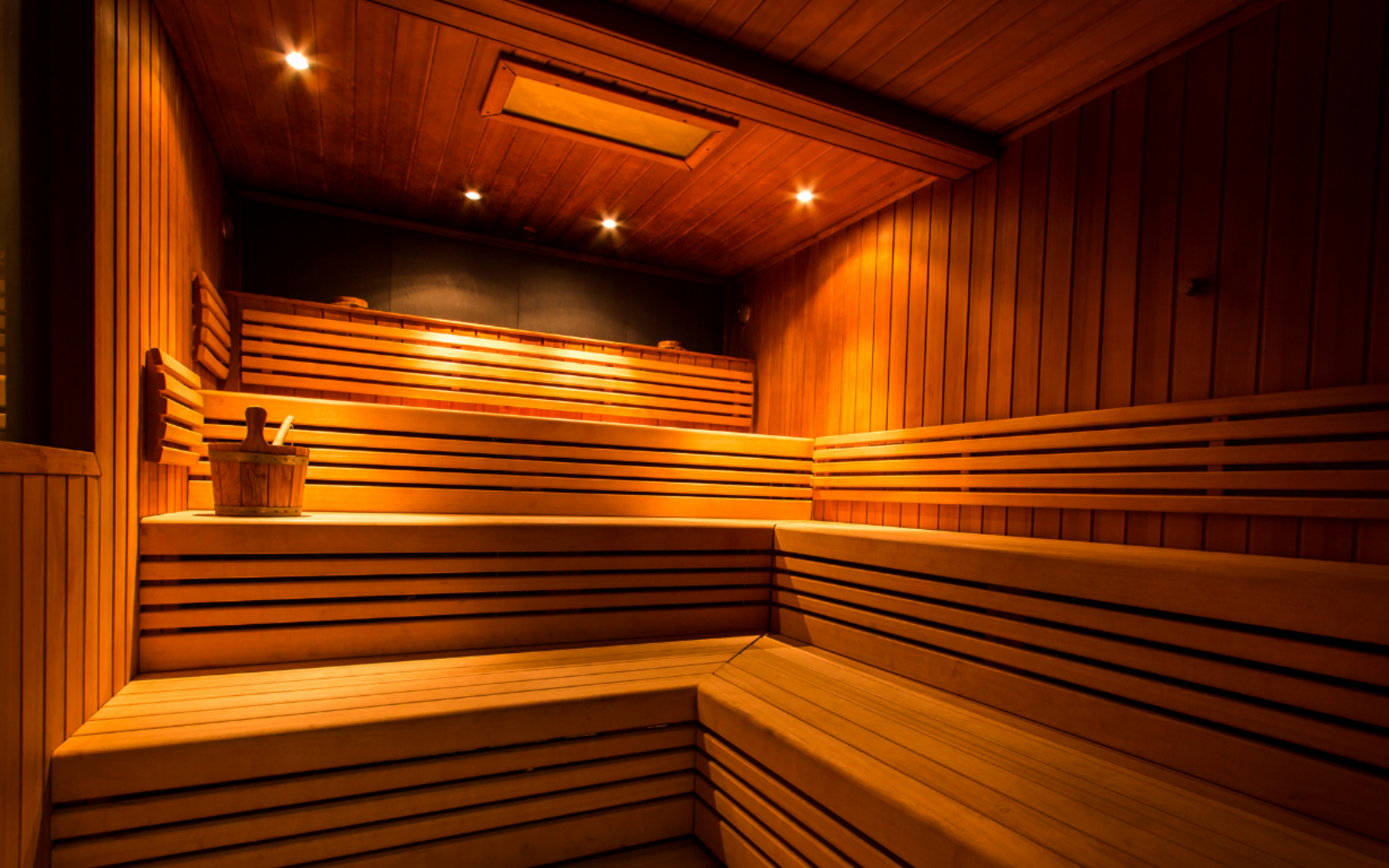
If you enjoy strong heat and the rhythm of warming up, stepping out, and resting, that atmosphere may appeal to you. Some people also appreciate the social side of a shared sauna or the familiar wood-lined setting.
Others find the hot air uncomfortable, particularly when they’re new to sauna bathing. There’s no wellness prize for enduring an experience you dislike.
What an infrared sauna feels like
An infrared sauna usually offers a less intensely hot room, with radiant warmth coming from nearby panels. For some people, that makes it easier to settle in without feeling surrounded by scorching air.
But “gentler” is a description of how it may feel—not a guarantee that it’s safe for everyone. You can still overheat or become dehydrated.
The setting matters, too. A private infrared cabin may feel peaceful to one person and confining to another. A communal traditional sauna might feel welcoming or distracting, depending on your preferences.
When comparing options, ask yourself:
- Do I enjoy strong ambient heat, or would I prefer a lower room temperature?
- Would I feel more relaxed alone or in a shared space?
- Does the facility feel clean, comfortable, and easy to leave whenever I want?
You don’t have to choose based on what sounds more advanced. Your actual experience matters more than the equipment’s marketing language.
Choosing a Sauna Safely—and Making It Fit Your Life
Before buying a package or investing in a home unit, consider trying a single session. You may learn more from a brief, comfortable visit than from hours of comparing advertised benefits.
Start with practical questions: Is the location convenient? Is the price manageable? Can staff explain the equipment and safety procedures? A sauna routine shouldn’t become another source of pressure.
Start conservatively, not competitively
For a first visit, choose a lower setting and a short session. Around five to 10 minutes may be a reasonable starting point for an otherwise healthy adult, but it isn’t a target you must reach. Follow the equipment’s guidance and leave sooner if you feel uncomfortable.
A few basic precautions matter with either type:
- Arrive hydrated and drink water afterward.
- Avoid alcohol before and during sauna use.
- Skip the session if you have a fever, feel ill, or are already dehydrated.
- Leave immediately if you feel dizzy, nauseated, faint, or otherwise unwell.
- Allow time to cool down before resuming your day.
Don’t wait for a timer to give you permission to leave.
Know when to get individualized guidance
Check with a healthcare professional before starting if you’re pregnant, have a heart or blood pressure condition, have a history of fainting, or take medications that affect hydration or your response to heat. Heat-sensitive conditions, including multiple sclerosis, also warrant specific advice.
A sauna’s lower air temperature doesn’t erase those concerns. Choose according to your health needs first, then your comfort, budget, and preferences—not a promise that more sweating means better results.
A Comfortable Choice, Not a Wellness Competition
Infrared and traditional saunas offer different routes to a warming experience. Infrared may suit you if you prefer a lower room temperature, while a traditional sauna may appeal if you enjoy stronger heat and a familiar sauna ritual. Neither is a proven all-around winner for health.
Let comfort and safety guide the decision. Start small, stay attentive to how you feel, and keep your expectations realistic. A quiet pause that leaves you feeling refreshed can be worthwhile without becoming a test of endurance—or a cure for everything.