
How to Spend More Time Outside When Your Schedule Is Full
You meant to take a walk today. Then a meeting ran late, someone needed dinner, and the laundry was still waiting. By the time you had a moment to yourself, going anywhere felt like another assignment.
If you’re wondering how to spend more time outside, the answer doesn’t have to involve clearing your calendar. You can begin with the moments already tucked into your day: your morning drink, a lunch break, or the few minutes between arriving home and heading inside.
Nature doesn’t have to be a destination. Sometimes it’s the tree beside your building, the birds near your doorway, or a patch of sky you finally pause to notice.
Start Small: Nature Doesn’t Need an Afternoon
It’s easy to picture “time in nature” as a forest hike, a beach day, or a long walk somewhere beautiful. Those experiences can be wonderful. They also require something many people don’t have on an ordinary weekday: a generous stretch of unclaimed time.
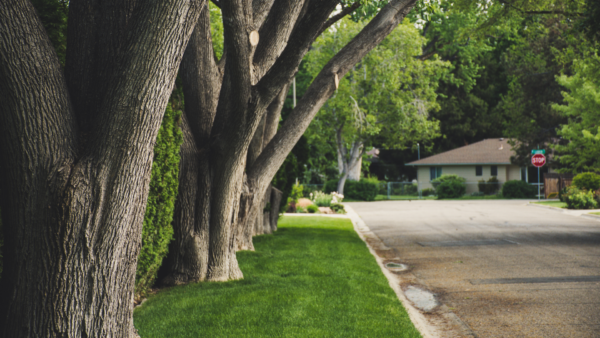
A more workable starting point is to look for nature close to where you already spend your day. That might be a courtyard outside your workplace, a tree along your street, or a few outdoor plants beside your front steps. You don’t need a scenic route to begin paying attention.
Choose contact over accomplishment
Instead of asking, “How much outdoor time can I squeeze in?” try asking, “Where can I have a small moment with nature today?”
That shift leaves room for sitting rather than walking, noticing rather than exercising, and stepping outside without tracking anything. A short pause doesn’t need to become a workout to be worth making.
Research suggests that brief periods in natural settings can support mood and stress relief. That doesn’t mean there’s a magic number of minutes, or that every outdoor break will change how you feel. Think of nature as one supportive part of everyday wellness, not a treatment or a requirement.
Start with somewhere easy to reach. Then notice one thing: leaves moving, a bird calling, or the shape of a cloud. You don’t have to manufacture a peaceful experience. You’re simply making room to encounter what’s there.
Match Your Nature Break to Your Time
Some days you have two minutes. Other days you can spare fifteen. Rather than waiting for a longer opening, keep a few options that fit the time and energy you actually have.
These time ranges are planning tools, not prescribed amounts. Choose whatever feels manageable.
When you have two to five minutes
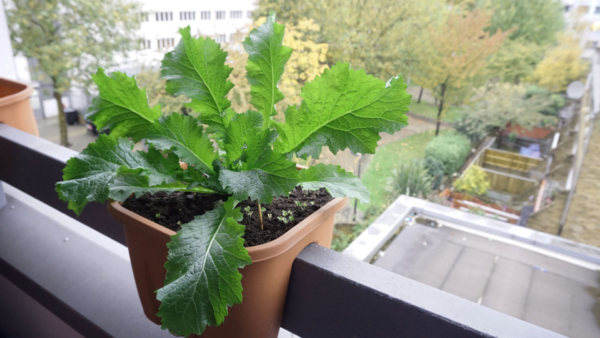
Step outside before opening your next email. Sit near an outdoor planter, look at a nearby tree, or listen for sounds beyond the traffic.
You could also check a plant on your porch or pause outside your building before heading in. Keep it simple enough that you don’t need special clothing, supplies, or a decision about where to go.
When you have five to ten minutes
Take your usual coffee or tea outdoors. Walk a short, familiar loop with some greenery, or spend a few minutes tending a container garden.
If walking isn’t comfortable, sit somewhere accessible and watch what’s happening around you. There’s no need to add movement just to make the break feel legitimate.
When you have ten to twenty minutes
Eat lunch near a tree, visit a small neighborhood park, or take a gentle walk after dinner. Choose a place close enough that getting there doesn’t consume the whole break.
Whatever the length, give yourself permission to notice something without turning it into an exercise. What’s growing? What’s moving? What can you hear?
Your mind may stay busy. That’s okay. You haven’t wasted the moment because your to-do list came along.
Move Existing Routines Outdoors
One of the most practical answers to how to spend more time outside is to change where something happens—not add another thing to do.
Before planning a new habit, look at the routines you already have. Is there one that could occasionally move outdoors without making your day harder?
- Drink your morning beverage on a porch, shared patio, or nearby bench.
- Spend part of your lunch break in an accessible outdoor spot.
- Take a suitable personal call outside when privacy and surroundings allow.
- Read a few pages outdoors instead of automatically settling on the couch.
- Choose a greener route for an errand when it’s convenient.
You don’t need to move everything outside. Pick one routine that offers an easy opening.
Give the moment a familiar cue
A vague intention—“I should get outdoors more”—leaves you making the same decision every day. A specific cue gives the idea a place to land.
For example: “After I finish lunch, I’ll sit in the courtyard for a few minutes.” Or: “When I get home, I’ll pause by the garden before going inside.”
Picture someone with a packed workday. Their outdoor time might consist of drinking tea beside a planter in the morning and eating the last few bites of lunch near a tree. Neither moment requires a separate outing.
Of course, not everyone controls their breaks. Work rules, caregiving, and transportation can limit your options. In that case, look for a transition you do control—even if it’s just the moment before entering your home.
Make It Work on Imperfect Days
A useful outdoor routine needs room for the days when you’re tired, the weather turns, or getting outside is more complicated than it sounds. Otherwise, a supportive idea can become one more source of pressure.
Work with the access you have
No yard? Look for a shared courtyard, an accessible public green space, or a place near outdoor plants. You don’t need to travel across town because someone else’s version of nature looks more impressive.
If energy or mobility is limited, choose a seated option and consider the whole trip—not just the destination. A bench isn’t especially helpful if reaching it leaves you exhausted.
Weather, air quality, and personal safety matter, too. Don’t force a break during extreme heat, poor air quality, or other unsuitable conditions just to maintain a streak.
When going out isn’t practical, a view through a window or a moment tending an indoor plant can offer a way to stay connected with the natural world. These aren’t the same as being outdoors, but they don’t have to be dismissed as failures.
Make a flexible starter plan
Choose one nearby place, one familiar cue, and one manageable action. You might decide to sit near your front steps after breakfast when conditions allow.
Then leave room to adjust. A longer walk can be welcome when you have time; a brief pause can be enough for a crowded day. Missing a day doesn’t create a debt you need to repay. Simply return to the opportunity when it’s available.
You don’t need a free afternoon to make nature part of your life. Begin with an opening that already exists, and choose a nearby place that feels comfortable and manageable. Some days that will mean a walk. Other days it will mean sitting beside a plant while your tea cools. The aim isn’t to build a perfect outdoor routine or collect enough minutes. It’s to give yourself more chances to step out of the rush and notice the living world around you.
Your Busy-Day Nature Checklist
You don’t need to do everything on this list. Choose one small step that fits today.
- Pick a nearby spot: your porch, a shared courtyard, a tree-lined sidewalk, or an accessible bench.
- Find an opening you already have: morning coffee, lunch, or the moment you arrive home.
- Choose a manageable option: a brief pause, a seated break, or a short walk.
- Move one ordinary activity outside, such as drinking tea or reading a few pages.
- Notice something around you: leaves moving, birds calling, or clouds changing shape.
- Keep a seated or low-energy option available for tired days.
- Adjust for weather, air quality, accessibility, and personal safety.
- Let missed days go. Return to your routine without trying to catch up.