From Cannabis to Complete Wellness: Integrative Healing Explained
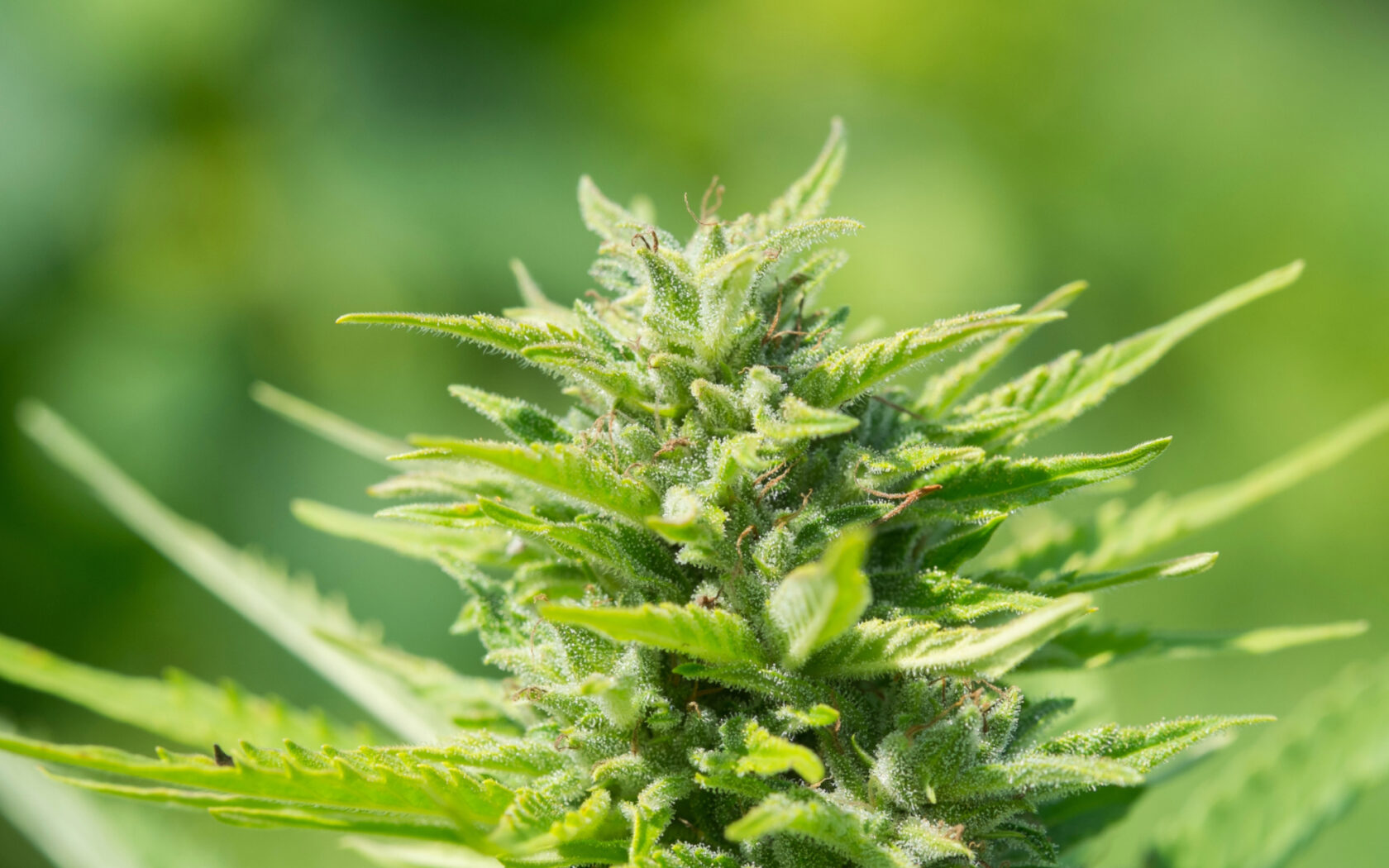
For years, cannabis has held a strong place in natural wellness. Many people first turn to it for stress relief, better sleep, or pain management. But as the wellness world evolves, something bigger is happening: cannabis is becoming part of a larger, more holistic approach known as integrative healing.
Integrative healing isn’t about replacing traditional medicine—it’s about combining evidence-based natural practices with modern science to support the whole person. If you’ve been curious about how cannabis fits into a broader wellness lifestyle, this guide will walk you through everything you need to know.
1. Why Integrative Healing Matters Today
People are more stressed, more tired, and more overloaded than ever before. Because of this, many are seeking wellness solutions that don’t just treat symptoms but also look at the whole picture.
Integrative healing does exactly that. It blends:
- plant-based therapies
- nutrition
- movement
- mental-emotional care
- and modern health insights
The goal is simple: help the body heal from multiple angles instead of relying on just one strategy.
Cannabis plays a unique role in this movement because it can support the nervous system, reduce inflammation, and help people reconnect with their bodies—all key foundations of whole-body wellness.

2. The Evolution of Cannabis in Modern Wellness
Cannabis has been used for thousands of years, from ancient Chinese medicine to traditional Middle Eastern and Indian healing systems. What’s new is how widely accepted and researched it has become in the modern world.
Today, people use cannabis—and non-intoxicating forms like CBD—because research shows it may help with:
- chronic pain
- anxiety and stress
- inflammation
- sleep issues
- post-workout recovery
The difference between recreational and therapeutic use mostly comes down to intention and dosage. In the context of integrative healing, cannabis is used as a supportive tool, not the whole solution.
3. What Is Integrative Healing? (Focus Keyword Section)
Integrative healing focuses on supporting the mind, body, and spirit together, rather than treating one piece of health at a time.
Core principles include:
Holistic Thinking
Your physical, mental, emotional, and spiritual health all influence each other. For example, stress can worsen pain, and poor sleep can affect mood.
Combining Therapies
Instead of choosing between traditional medicine and natural therapies, integrative healing encourages the strategic use of both.
Science + Nature Working Together
This approach includes modern insights such as gut health and circadian rhythm science, as well as natural tools like herbs, breathwork, and cannabis.
The result is a wellness plan that feels balanced, personalized, and sustainable.
4. Cannabis as One Part of a Multi-Layered Wellness Plan
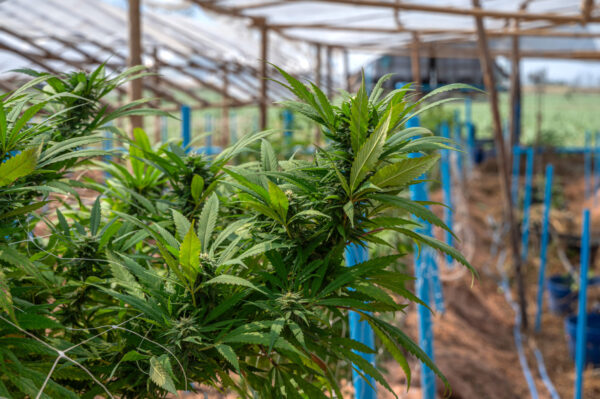
Think of cannabis as a supportive layer in a larger healing strategy—not a one-step cure.
Here’s how cannabis can complement other wellness practices:
Cannabis + Breathwork
Many people find that small doses of cannabis help calm the nervous system, making breathwork easier and more effective.
Cannabis + Yoga or Somatic Movement
Gentle movement paired with cannabis can help with body awareness, flexibility, and tension release.
Cannabis + Nutrition
By reducing inflammation or supporting sleep, cannabis can help people stay more consistent with healthy eating patterns.
Cannabis + Mindfulness or Journaling
Cannabis can help quiet mental noise, making it easier to be present or reflect deeply.
Safety Matters
Quality, dosage, and timing all make a difference. It’s best to start low, go slow, and choose lab-tested products.
5. Other Natural Wellness Tools That Support Integrative Healing
Cannabis isn’t the only plant-based or holistic tool available. Many people find success using several therapies together.
Popular integrative wellness practices include:
- Adaptogens like ashwagandha, reishi, and maca for stress resilience
- Aromatherapy with lavender, eucalyptus, or frankincense
- Acupuncture and Traditional Chinese Medicine for energy flow and pain relief
- Nature therapy (forest walks, grounding, sun exposure) for mood and immunity
Functional nutrition focuses on whole, anti-inflammatory foods

Each practice offers unique benefits, and they often work better when combined thoughtfully.
6. How to Build Your Personal Integrative Healing Routine
Creating your own wellness plan doesn’t need to be complicated. Start small, stay curious, and let your body guide you.
Step 1: Identify Your Goals
Are you trying to sleep better? Reduce anxiety? Manage chronic pain? Improve energy?
Step 2: Choose Your Tools
For example:
- Stress relief: CBD micro-dosing, breathwork, adaptogens
- Better sleep: low-dose THC or CBD, magnesium, evening meditation
- Pain management: topical cannabis, yoga, anti-inflammatory diet
- General wellness: daily movement, herbal supplements, grounding walks
Step 3: Track What Works
Your body will tell you what’s helpful. Keep notes on sleep, stress, mood, and pain levels.
Step 4: Combine Intentionally
Try pairing cannabis with other wellness practices to see how they support each other.
Step 5: Seek Guidance When Needed
An integrative health practitioner, herbalist, or holistic wellness coach can help you tailor your plan.
The Future of Integrative Healing
Cannabis is just one piece of a much larger wellness puzzle—but it’s a powerful one. As more people embrace natural healing, integrative wellness continues to grow, blending ancient wisdom with modern science.
The future of healing is personalized, plant-rooted, and holistic. And your wellness journey can begin with a single step—whether that’s trying a new cannabis product, practicing mindfulness, or reconnecting with nature.
For more nature-rooted wellness resources, explore additional guides and articles at Hopegrown.org.