
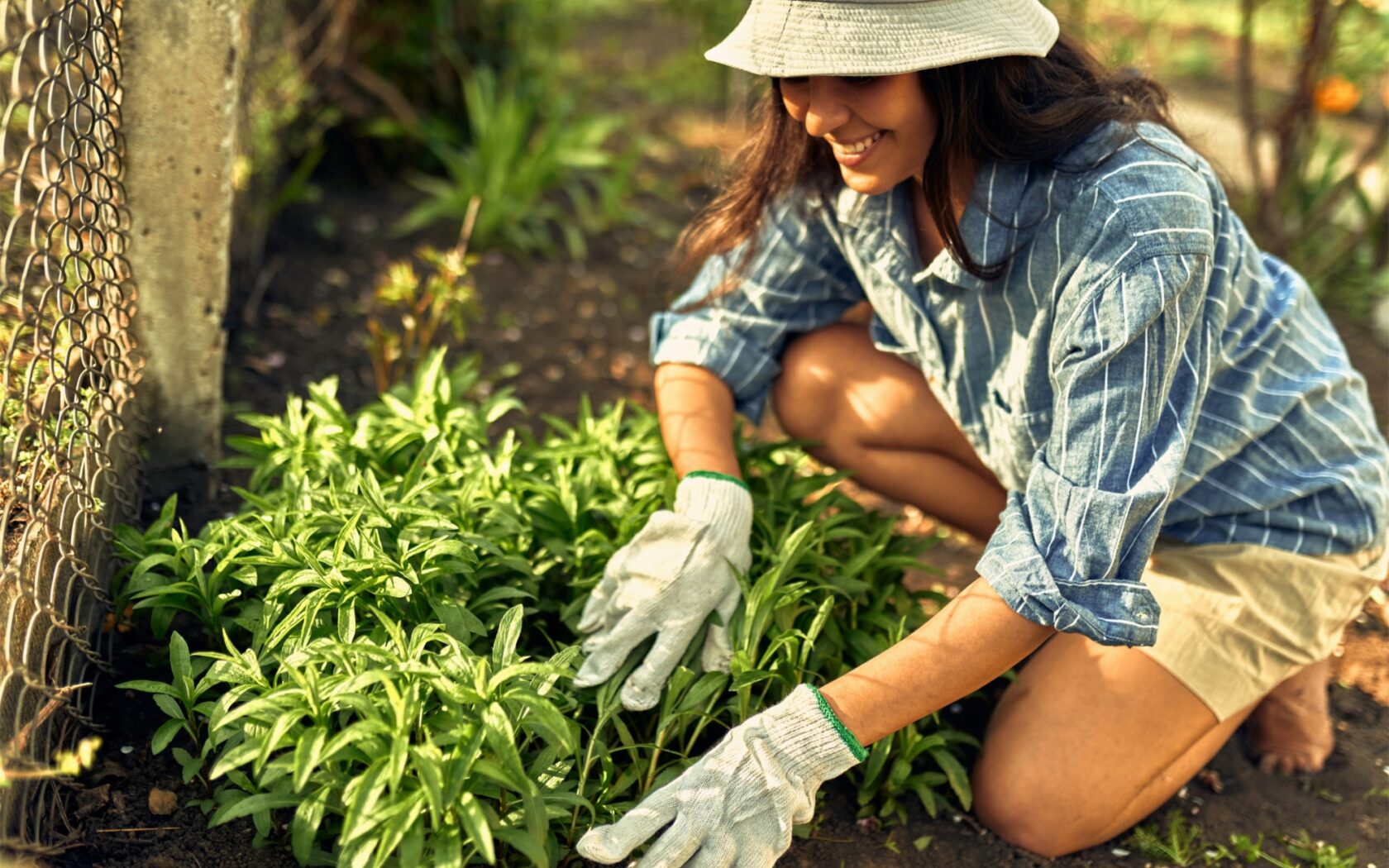
People love to say “gardening keeps you young,” but there’s real science behind how gardening increases your life expectancy. It’s not just about pretty flowers or homegrown tomatoes—it’s about daily rituals that nourish your body, calm your nervous system, and anchor you in something bigger than your to‑do list.
At Hopegrown, we see the garden as one more sacred wellness space, right alongside your kitchen, your yoga mat, or your favorite hiking trail. When we grow things, we’re not just tending plants—we’re quietly tending our own longevity too.
The Science Behind How Gardening Increases Your Life Expectancy
If you’ve ever lost track of time in the garden, you’ve already felt the first clue of how gardening increases your life expectancy. Gardening naturally stacks several proven longevity factors into one consistent practice: light to moderate movement, time outdoors, social connection, and daily micro‑moments of purpose. Blue Zones research and other long‑term studies have found that people who garden regularly often live longer, healthier lives—not because of one magic habit, but because gardening weaves many protective habits together.
From a biological standpoint, gardening can help:
- Lower chronic stress and cortisol levels
- Improve sleep quality and circadian rhythm
- Support cardiovascular health through gentle physical activity
- Encourage healthier food choices if you grow your own produce
All of these are known contributors to longer life expectancy. Gardening can also support healthy brain aging. Learning new skills, planning beds, remembering plant care schedules, and troubleshooting problems all keep your brain engaged in a low‑pressure, rewarding way. Over time, that cognitive engagement may help maintain memory, focus, and mental flexibility.
So when we talk about how gardening increases your life expectancy, we’re really talking about a lifestyle pattern. The garden becomes a built‑in reminder to move, breathe, connect, and care—for the land and for yourself.
Gardening for Stress Relief, Mood, and Mental Health
One of the clearest explanations of how gardening increases your life expectancy is its impact on stress and mood. Chronic stress is linked to inflammation, heart disease, digestive issues, and even premature aging. Gardening offers a surprisingly powerful antidote: a grounded, sensory way to discharge tension and give your nervous system something steady to lean on.
A garden session quietly checks a lot of mental health boxes:
- Mindfulness without the pressure of “meditating correctly”
- Time away from screens and constant notifications
- Gentle exposure to sunlight, which supports vitamin D and mood
- A sense of progress, even on days when the rest of life feels stuck
The repetitive motions of watering, weeding, and pruning can feel almost meditative. Your attention shifts from racing thoughts to simple, tangible tasks: pull this weed, tuck in that seedling, harvest this handful of herbs. Over time, those small resets can reduce anxiety and help regulate your emotional baseline.
Healthier stress levels mean less wear‑and‑tear on your heart, immune system, and hormones—all key factors in longevity. That’s one reason why gardening communities often talk about “garden therapy” with zero irony. When you understand how gardening increases your life expectancy through mental health, you start to see your garden as more than a hobby; it becomes a living, growing wellness tool.
How Gardening Keeps Your Body Strong and Heart Healthy
If you’ve ever carried a bag of soil or wrestled a hose around the yard, you already know gardening is a real workout. That physical effort is a big part of how gardening increases your life expectancy. It counts as low‑impact, functional movement—exactly the kind of activity doctors keep recommending for heart health, blood sugar balance, and joint mobility.
Common gardening tasks naturally build:
- Leg and core strength (squatting, lifting, digging)
- Grip strength (pruning, pulling weeds, handling tools)
- Balance and coordination (moving across uneven ground)
- Light cardio (walking, hauling, repeated motions)
Unlike a gym session, gardening doesn’t feel like “exercise” in the traditional sense. It’s purposeful movement with immediate, visible rewards: a cleared bed, a planted row, a basket full of tomatoes or herbs. That makes it easier to stick with over the long haul, which is what truly matters for longevity.
Regular physical activity helps:
- Lower blood pressure and resting heart rate
- Improve insulin sensitivity and metabolic health
- Maintain healthy body weight and muscle mass
- Reduce risk of cardiovascular disease and stroke
When you put it together, it’s easy to see how gardening increases your life expectancy in a very practical way. A few hours a week in the garden becomes a sustainable, enjoyable way to support your heart, muscles, and overall vitality—no membership required.
Growing Connection: Community, Purpose, and Longevity in the Garden
There’s another layer to how gardening increases your life expectancy that doesn’t show up on a lab test: connection. Human beings are wired for community and purpose, and both are strongly linked to longer, healthier lives. Gardens naturally create both. Whether you’re trading tomatoes with a neighbor, joining a community garden, or teaching a child how to plant seeds, you’re building the kind of social fabric that supports longevity.
Gardening nurtures a quiet sense of purpose. Plants rely on you to show up—water, weed, nourish, protect. That responsibility can be deeply grounding, especially during times of grief, stress, or transition. You wake up with something to care for, something to look forward to, and a reason to step outside and move your body.
This is where gardening intersects beautifully with a wellness‑forward lifestyle:
- You eat more fresh, seasonal produce.
- You spend more time outdoors and less in isolation.
- You experience small, frequent moments of awe and gratitude.
- You’re more likely to share, teach, and connect with others.
All of these help explain how gardening increases your life expectancy in ways that go beyond pure biology. It supports emotional resilience, social health, and a sense of belonging—three things every longevity expert will tell you are just as important as nutrition and exercise.
At Hopegrown, we’ve always believed that wellness lives in the small, consistent rituals we return to—morning stretches, mindful cups of tea, evening walks, and yes, time with our hands in the soil.
When you understand how gardening increases your life expectancy, it stops being “just a hobby” and starts looking a lot more like preventative medicine. You don’t need acres of land or a perfectly curated garden to tap into these benefits. A few containers, a bit of sunlight, and a willingness to learn are more than enough to start growing a longer, richer life—one seedling at a time.