Creative Bloom: The Story Behind the Art with Nadia Sarmova
Some stories entertain us. Others stay with us because they make us feel a little less alone.
That idea sits at the heart of Creative Bloom, Hopegrown’s series celebrating artists, creators, and visionaries who use their work to connect people, spark meaningful conversations, and make the world feel a little more human. Creativity can be a form of expression, but it can also be a form of care—and the people we feature are often exploring that space in thoughtful and unexpected ways.
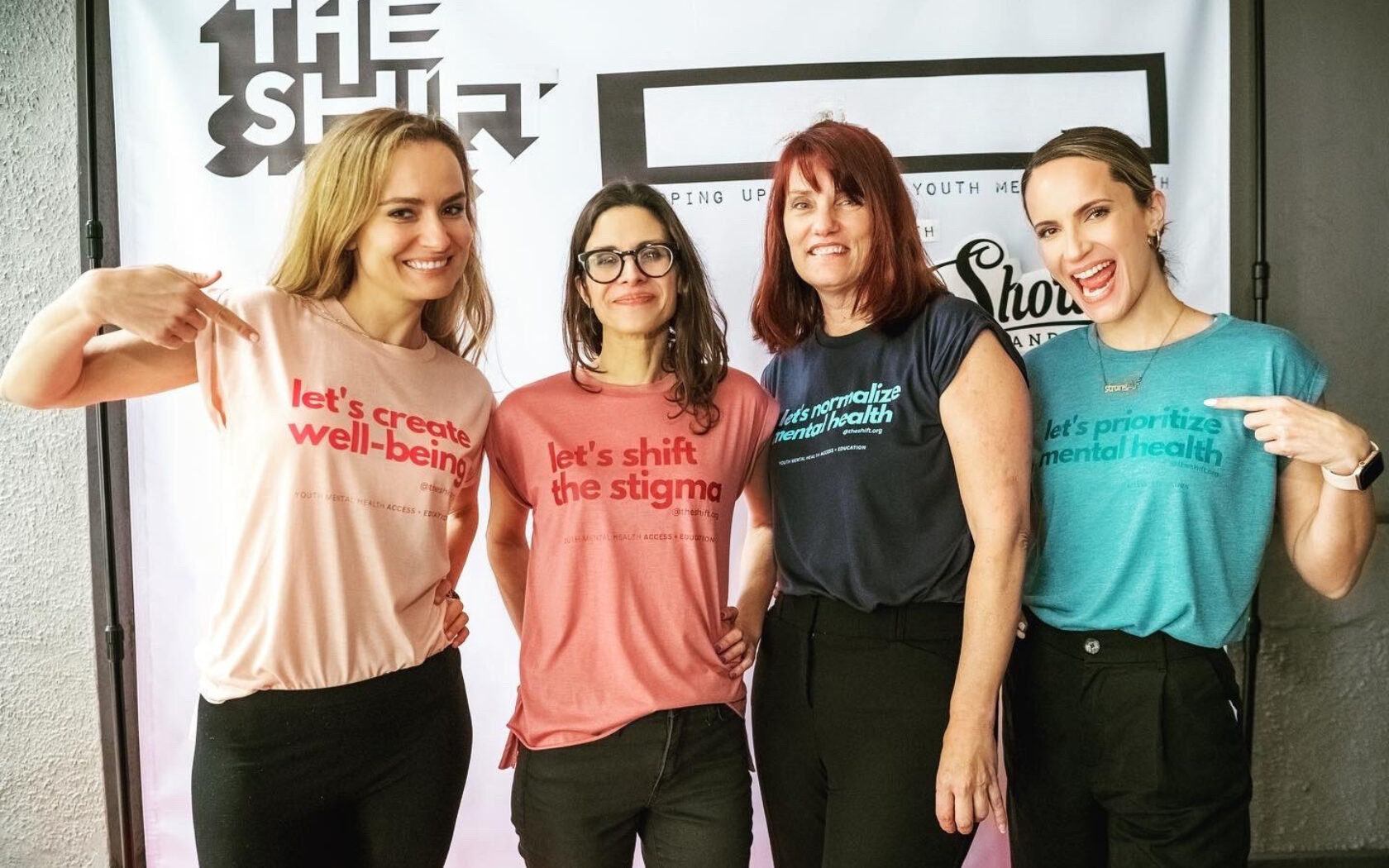
For this edition of Creative Bloom, we’re introducing Nadia Sarmova and The Shift Productions, a production company working at the intersection of storytelling and mental wellbeing. Their approach is rooted in a simple but powerful idea: stories about mental health should be both compelling and responsible.
Founded by three women with backgrounds spanning clinical social work, production, and lived experience, The Shift Productions was born from a desire to give people something that can be surprisingly difficult to find: permission to talk openly about what they’re going through, without having their experiences reduced to a stereotype or a plot device.
What began as an episodic show evolved through the challenges of the pandemic into a broader production and impact platform. Today, The Shift Productions brings together creative direction, production expertise, and clinical insight to help filmmakers, brands, and storytellers create mental health-related work that doesn't have to choose between authenticity and responsibility.
In our conversation with Nadia, we explore the origins of The Shift Productions, the importance of representation, the responsibility that comes with telling stories about mental health, and why the most meaningful creative work doesn't necessarily end when the credits roll.
The Story Behind The Shift Productions
For those discovering The Shift Productions for the first time, how would you describe the heart and mission behind the project?
The Shift Productions exists at the intersection of storytelling and mental wellbeing—with the goal of creating content that leaves people better off for having found it.
We're a production company, but we didn't start from "let's make a hit and run piece of content." We started from "let's build a space where people can be seen, heard, and understood around what they're going through."
In the beginning, that meant simply giving people permission to speak about what they were going through and finding a resource or community that might be of support to them.
Today, every project we take on, whether it's with a filmmaker or a brand, has to do two things at once: hold up as authentic storytelling, and be built on something clinically sound. That's our mandate.
What inspired you and your co-founders to create The Shift Productions, and what gap did you feel needed to be filled in the mental health and storytelling space?
Our co-founder, Mary Albertoli, spent 15 years as a licensed clinical social worker working with youth and adolescents navigating mental health challenges. She wanted to give them a real voice, so she came to Mo Isern and me and asked for our support in generating a show concept.
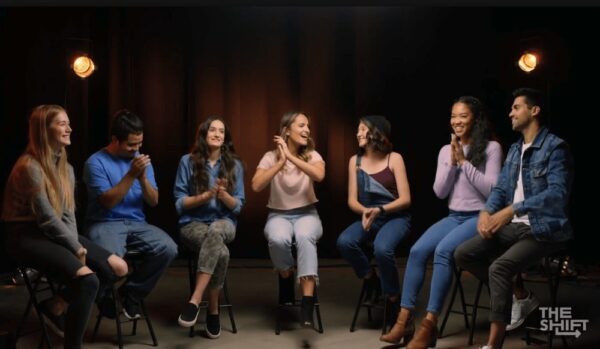
I'll never forget our first in-studio shoot—you could hear a pin drop as the young adults opened up about their mental health challenges. They walked away from the shoot different people. And so did we.
We walked away knowing that people needed an outlet, something close to permission to say what they were dealing with, out loud, but with a safety net too. That raw, authentic and moving experience became the genesis of The Shift Productions.
Many creative projects evolve over time. How has The Shift Productions grown or shifted from its original vision to where it is today?
We started off with the goal of making an episodic show. From there we faced the COVID lockdown like everyone, and moved into digital content vs. longform in-studio or an on-the-ground show.
As we've evolved, we've kept running into the same trends from different angles: mental health content that was either clinically accurate but flat—dare I say boring—or dramatically compelling but irresponsible, using stigma or "trauma drama" as a plot device instead of actually examining it and offering tools.
We realized the gap wasn't a lack of interest in mental health themed content, it was a lack of infrastructure to tell those stories well.
So we built that infrastructure ourselves—clinical expertise, creative direction, and production experience, all under one "roof"—so a brand or filmmaker who wants an authentic mental health story or experience doesn't have to choose between "true" and "good."
Storytelling as Impact
How do you balance creative storytelling with the responsibility of addressing sensitive mental health topics in a thoughtful and authentic way?
We treat the clinical review process as part of the creative process, not a note that gets added at the end.
On Intruder, a psychological thriller that explores schizophrenia, stigma, and the loss of reality, we wanted to depict that experience accurately while also building an impact strategy around the film itself: one that would care for the cast and crew during production, create screenings and panels designed to open conversation after the credits roll, and form partnerships with organizations that would broaden the film's audience and extend its legs.
That's the balance for us: the story, or the campaign, has to be gripping enough that people watch, and responsible enough that watching it does some good.
Female Founders & Representation
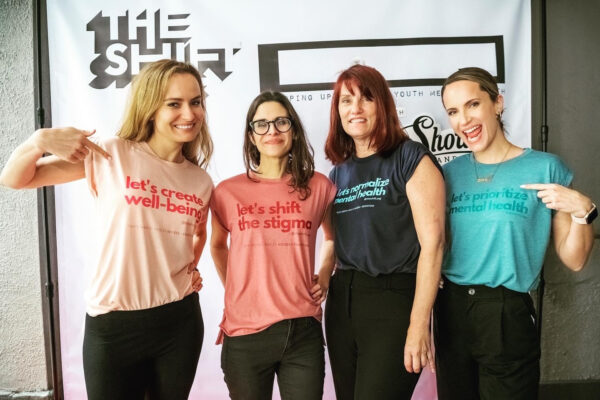
The Shift Productions was founded by three women, with two founders representing minority communities. How has this diverse leadership shaped the direction, voice, or impact of the project?
Coming from Eastern Europe, mental health was never talked about. There's a similar stigma around mental health in the Hispanic and Latin-American community.
I think that missing conversation is part of what drew Mo and me to want to give a voice where we didn't have one growing up.
When your leadership table reflects a range of lived experience, you stop treating "diverse storytelling" as a category and start treating it as the default.
It also changes who trusts us enough to bring us their brand campaign or their story in the first place. CEOs of diverse brands and filmmakers from underrepresented backgrounds know we're not going to flatten their experience to make it more palatable.
Community & Impact
Who do you hope benefits most from the work you're doing, and what kind of ripple effect do you hope The Shift Productions creates?
Three groups, really.
The audiences who see an accurate reflection of something they've lived through and feel less alone in it.
The filmmakers who want to tell these stories but don't have the clinical or production backing to do it responsibly.
And increasingly, the brands and founders who partner with us who want to build something real with their audience instead of running a one-off campaign.
When we do our job well, all three earn something the same way: trust.
Audiences trust that what they're watching isn't exploiting their experience. Filmmakers trust that partnering with us won't water down their vision. And brands walk away with something more valuable than reach: a more trusted, loyal, and seen audience that feels like it's been granted permission to speak and actually care for its mental and emotional health.
Personal Journey
Nadia, your work has focused on highlighting critical issues and elevating marginalized voices. What personally draws you to storytelling that creates social impact?
As an immigrant, I spent my adolescence being made fun of for things I couldn't control like my clothes, my accent, the language I spoke at home. That experience made me chase belonging my whole life, so I'm drawn to stories and causes that help people feel like they belong.
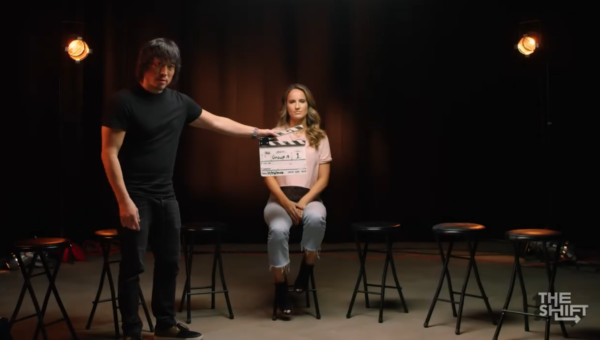
I've also spent my career on sets where the story being told mattered as much as how it got made—including serving as a producer and 1st AD on several international co-productions.
What draws me to impact storytelling specifically is watching a story do work in the world it’s being made in AND after it's finished—the way it can start a conversation with someone who couldn't start one on their own, or make a viewer feel recognized.
That's a different kind of satisfaction than a good box office number, and it's the one I've built my career chasing.
Creative Process & Vision
What kinds of stories do you feel are still missing from the mental health conversation?
Stories where brands see themselves as part of the solution, not just a sponsor of the conversation.
And stories from cultures and communities whose relationship to mental health looks different from the mainstream Western narrative.
Looking Forward
What excites you most about the future of storytelling and mental health advocacy?
I'm excited that the line between "wellness brand" and "storyteller" is starting to blur.
More organizations want to engage with mental health content meaningfully, instead of just sponsoring a PSA during Mental Health Awareness Month. Similarly, more filmmakers want to tell stories that tackle the subject matter while actually feeling supported in the process, not exposed by it.
That convergence is exactly the space The Shift Productions is built for, and it means the work we're doing now has more places to land.
Personal Reflection
If you could share one message with creators, founders, or storytellers hoping to make an impact, what would it be?
Don't let "authentic" and "responsibly-made" become a tradeoff in your head, whether you're a founder building a product or campaign or a filmmaker making a film.
The stories that move people and hold up under scrutiny are the same stories; they just take more care to build.
Also, find the people who can give you that care—a clinical partner, a community advisor, someone who's lived what you're telling—and let them shape the work from the start, rather than review it at the end.
Your audience can tell the difference and so can the people whose story you're telling.
Thank you so much for your time Nadia. It's been a pleasure.
A Story Can Do More Than Tell Us Something
At Hopegrown, we believe wellness isn't limited to what we eat, how we move, or the practices we bring into our daily lives. The stories we encounter—and the people who tell them—can shape how we understand ourselves and each other, too.
That's why Creative Bloom exists.
We're interested in the creative work that makes us pause, think, feel, question, connect, or perhaps see something from a perspective we hadn't considered before. And sometimes, the most powerful creative work doesn't simply reflect the world around us. It helps change the conversation.
The Shift Productions is a beautiful example of that idea in action. Their work reminds us that storytelling and wellbeing don't have to exist in separate worlds. A thoughtfully told story can open a door. It can create language for something we've struggled to articulate. It can make someone feel seen.
And sometimes, that is where change begins.