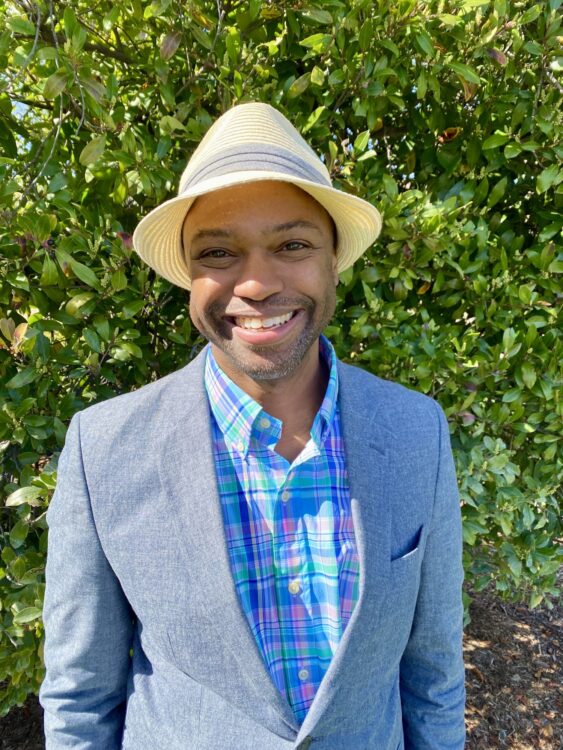
Creative Bloom: The Story Behind the Art with Sari Karplus
A Hopegrown series showcasing art from up-and-coming artists
Introducing Creative Bloom - our new series highlighting up-and-coming artist. And where creativity and soulful pursuit come together. Check out this week's talented artist and feel free to Buy Me A Coffee if you'd like to support their art.
In this edition of Creative Bloom, Hopegrown sits down with children’s book author and filmmaker Sari Karplus to explore the heart behind her humor-filled storytelling and creative journey. Rooted in authenticity, connection, and laughter, Sari’s work blends imagination with meaningful life lessons—creating stories that resonate with both kids and grownups alike.
Below, Sari shares how filmmaking and motherhood shaped her artistic path, why humor plays such a powerful role in her work, and how embracing creativity later in life helped her reconnect with herself and her purpose.
Meet the Artist: Sari Karplus
1. Can you tell us a little about yourself and what first inspired you to start creating?
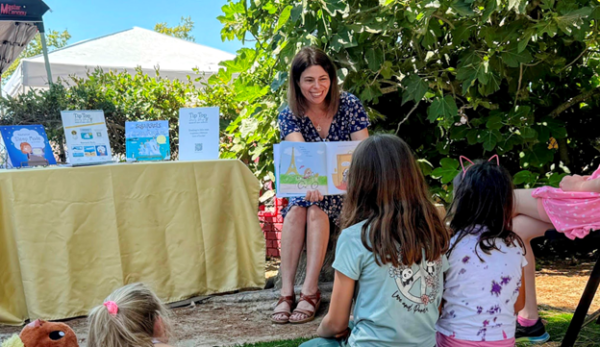
I am a children’s book author and filmmaker. I tell stories because they find me — and they won’t leave me alone until I set them free into the world. But, of course, I happily oblige.
2. How would you describe your art to someone who’s never seen it before?
My work is always peppered with comedy and authenticity. My children’s books are fun and inspiring for bright kids, and my filmmaking leans heavily into humor. My background in stand-up comedy means I’m always looking for the joke as a way to connect. If you can’t laugh together, what are we even doing here?!
3. What’s the story behind your creative journey—how did you discover your medium or style?
Filmmaking has been in me since I was a kid. I used to beg my parents to rent or buy a camcorder so we could make things. When visiting my dad in Colorado, we filmed a story I wrote about kids getting lost on a hike. Back home in Illinois with my mom, I turned school assignments into video projects. I even had a talk show with my high school friends: A Talk with Sari.
It brings me so much joy to turn stories into video. But the medium that snuck up on me was writing children’s books. I used to tell improvised bedtime stories to my three kids, often sneaking in little lessons. One story stood out—it had a full arc. I wondered if it could be a short film, but it was clearly a children’s book.
I didn’t know how to write one at the time. But it was mid-2020, and in the spirit of pivoting (like so many people did), I leaned into a beginner’s mindset and tried. That kicked off a five-plus-year journey that’s led to four books so far. What’s so special about children’s books is getting to connect with such a sweet, kind, and often adorable audience.
4. What themes, emotions, or experiences influence your work the most?
In my children’s books, I focus on problem-solving and creativity. Also, all of my books rhyme because I LOVE rhyming. Since gangster rapper was never going to be a viable career for me, becoming a rhyming children’s book author is the next best thing.
Some of my biggest influences are Dr. Seuss, Shel Silverstein, and Young MC.
5. Can you walk us through your creative process—from inspiration to completion?
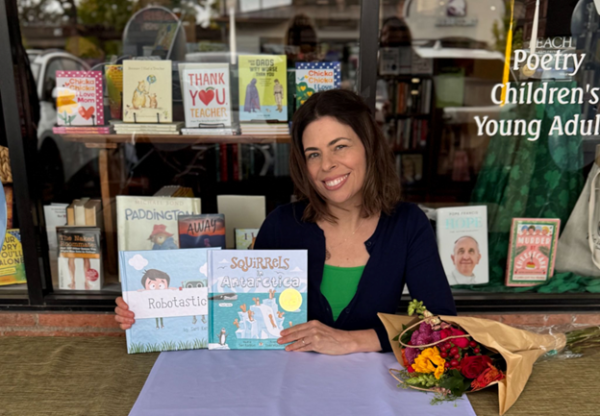
Inspiration comes from everywhere. I wrote a book about bringing a robot friend to the beach because I love the beach, and I knew there was room for fun, silliness, and meaningful lessons.
Once I have a concept, I sit down and write a first draft. But the real work happens in the revisions. Writing stories that rhyme, flow smoothly, and still tell a clear, engaging story is challenging.
After many drafts, illustrations come into play. For my Robotastic! books, I work on the illustrations myself. For Squirrels in Antarctica, I collaborated with the incredibly talented illustrator Todd Wilkerson. We went back and forth to land on imagery that would create the strongest and funniest take on the manuscript.
The final steps are publishing and marketing, which is honestly the biggest grind. But it’s absolutely worth it to bring a book into the world.
6. How do you stay inspired or overcome creative blocks when they arise?
I have creative blocks all the time. At this point, I’ve learned to accept that they’re just part of the process.
Before writing my first children’s book, I went through The Artist's Way by Julia Cameron, which is an incredibly deep dive into navigating creative resistance. The best advice I can give is: find space. A change of pace can be one of the most powerful tools for breaking through a block.
7. What message or feeling do you hope people take away from your art?
I hope people smile, laugh, and feel connected. My love of stories comes from books and movies that made me feel less alone in this big world. I want to create that same feeling for others, to help people feel seen.
8. Are there any artists, movements, or personal experiences that have deeply shaped your work?
As mentioned, Dr. Seuss and Shel Silverstein were huge influences on my children’s books. I also love the unapologetic humor Drew Daywalt puts in his books.
If you want a truly beautiful rhyming narrative that inspired me, check out The Bear Snores On by Karma Wilson.
9. How does your art reflect who you are or what you believe in?
I believe humor is connection. I want my work to bring lightness and joy into people’s lives.
10. In what ways has creating art changed or healed you personally?
This is a big one. I’m a mom of three, and as many parents know, it’s incredibly hard to maintain a sense of self and pursue creative passions while raising little ones.
I feel incredibly grateful to be past some of the most hands-on early years. Now that my kids are out of diapers and car seats, I finally have the mental space to pursue my creative work again. That kind of creative fulfillment is chef’s kiss.
11. What’s been your proudest or most meaningful moment as an artist so far?
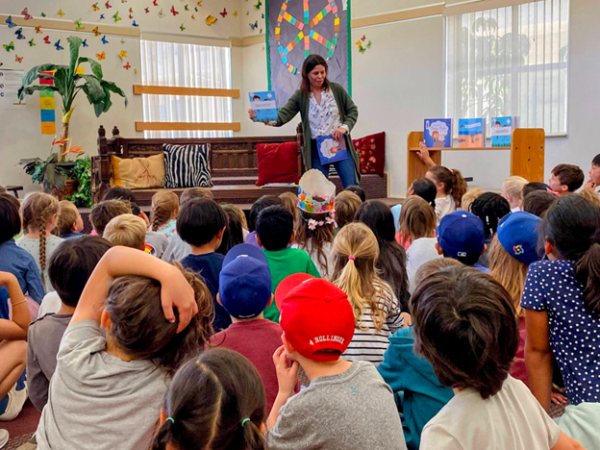
One of the most meaningful experiences is when kids recognize one of my books and tell me they’ve read it and love it — or that it helped them in some way.
12. How do you hope your art contributes to your community—or to the world at large?
I hope my books help kids and their grownups have conversations about life in a positive way. Reading a book together can be such a powerful starting point.
13. Where can people see or support your work?
14. Finally, what advice or encouragement would you share with other creatives on their own journey?
Even if you’re in a phase of life where you can’t fully pursue your art, don’t give up. I promise your time will come.
Sari Karplus reminds us that creativity doesn’t always follow a straight path — sometimes it quietly waits for the right season to bloom. Through humor, storytelling, and heartfelt connection, her work invites both children and adults to laugh a little louder, imagine a little bigger, and feel a little less alone. At Hopegrown, we believe stories like Sari’s are a powerful reminder that creativity itself can be healing, especially when it’s rooted in authenticity, joy, and human connection.