
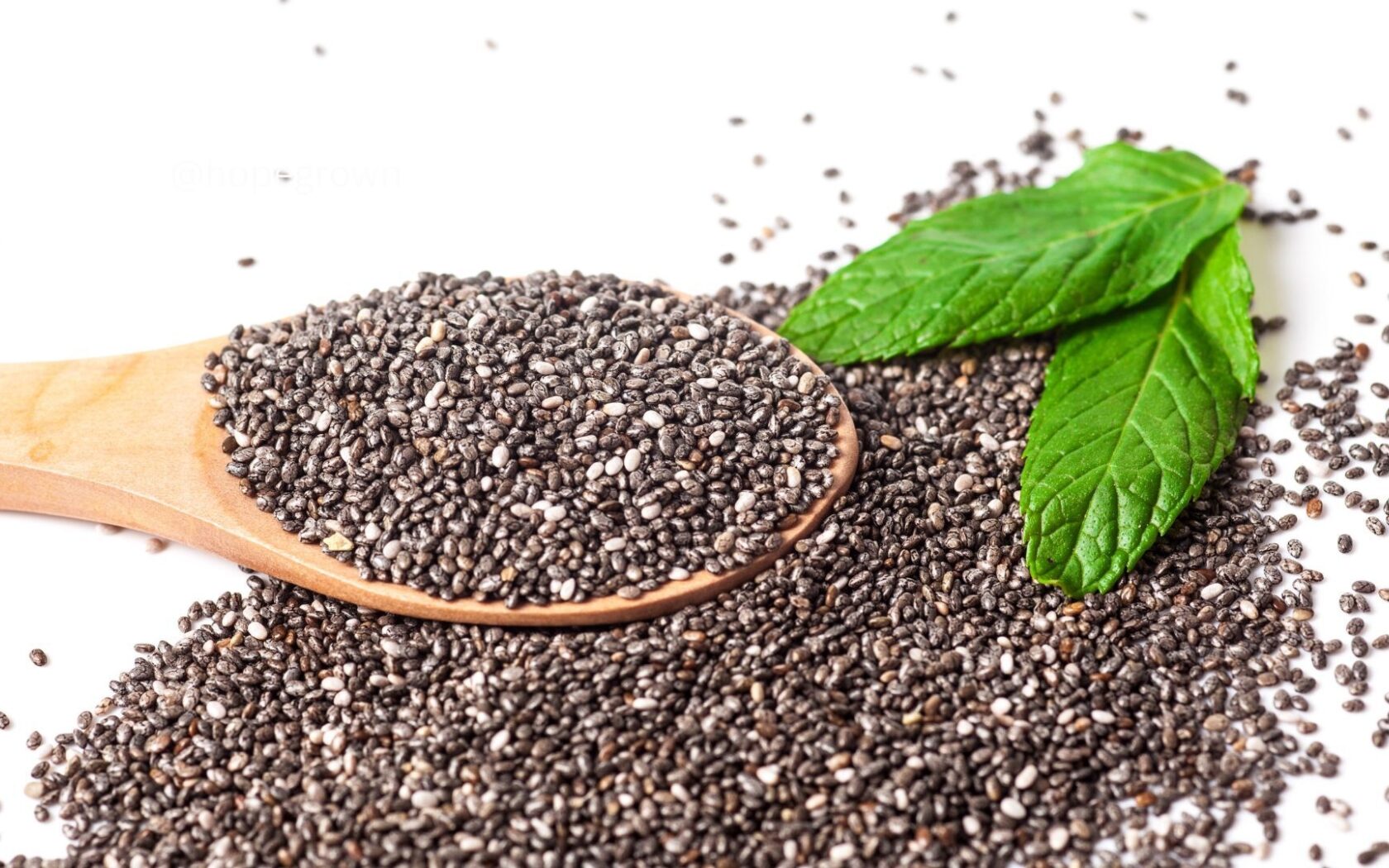
Chia seeds are tiny but powerful, offering fiber, plant-based omega-3s, and minerals that support heart health, digestion, blood sugar, and steady energy. They’re also easy to add to everyday meals like yogurt, oatmeal, and smoothies so you can boost nutrition without much effort.
What are chia seeds?
Chia seeds come from the flowering plant Salvia hispanica, a member of the mint family that’s native to Mexico and Central America. They were a staple food for Aztec and other Mesoamerican cultures, who used them as fuel on long journeys and in traditional practices.
Today, chia seeds are especially popular in plant-based wellness because they’re shelf-stable, neutral-tasting, and easy to mix into sweet or savory dishes. Even a small spoonful can noticeably change the texture of liquids, turning them into a thick, pudding-like gel that’s simple to eat and digest.
Key nutrients in chia
Two tablespoons of chia seeds (about 28 grams) provide roughly 140 calories, 4 grams of protein, 11 grams of fiber, and 7 grams of mostly unsaturated fat. They also deliver important minerals like calcium, magnesium, phosphorus, zinc, and iron, all packed into a small volume.
Chia seeds are one of the richest plant sources of alpha-linolenic acid (ALA), a type of omega-3 fatty acid. They’re also considered a complete plant protein because they contain all nine essential amino acids that the body can’t make on its own.
Fiber, fullness, and digestion
Chia’s “superpower” is its high fiber content, with about 11 grams of fiber in just two tablespoons. Much of this is soluble fiber, which absorbs water and forms a gel that slows digestion and helps keep you feeling full longer.
That gel-like fiber can support more stable blood sugar and may help reduce spikes after meals by slowing how quickly carbohydrates are absorbed. The combination of soluble and insoluble fiber also supports gut health by adding bulk to the stool and feeding beneficial gut bacteria.

Heart and metabolic health
The ALA omega-3s in chia seeds have been linked to lower cholesterol, triglycerides, and blood pressure when eaten as part of a plant-rich diet. A healthier balance of omega-3 to omega-6 fats is associated with a lower risk of heart disease and chronic inflammation.
Some research suggests chia consumption can improve certain markers related to metabolic health, such as blood lipid profiles and blood sugar control. While chia alone isn’t a magic cure, including it regularly in a balanced diet can be one small, steady step toward better cardiovascular and metabolic wellness.
Easy ways to add chia to meals
You can use chia seeds both dry and soaked, which makes them very versatile in everyday healthy recipes. Aim for about 1–2 tablespoons per day at first, and drink enough water so the seeds have plenty of liquid to absorb.
Some simple ideas:
- Yogurt parfait: Stir 1 tablespoon of chia into a cup of yogurt and let it sit 10–15 minutes so it softens, then top with berries and a drizzle of honey.
- Oatmeal or overnight oats: Add 1 tablespoon of chia to cooked oatmeal, or mix oats, chia, milk, and fruit in a jar and let it sit overnight for a creamy breakfast.
- Smoothies: Blend 1–2 teaspoons into your smoothie, or soak the seeds first in water to make a gel for an extra-thick texture.
- Chia pudding: Combine 2 tablespoons chia with about ½ cup of milk (dairy or plant-based), add vanilla and a bit of sweetener, then chill until it becomes pudding-like.
- Toppings and add-ins: Sprinkle dry chia over salads, grain bowls, avocado toast, or soups for a light crunch and extra fiber.
Simple safety tips
Most people tolerate chia seeds well, but it’s still wise to increase your intake gradually so your digestive system can adjust to the extra fiber. Drinking enough water is important because chia absorbs several times its weight in liquid, especially if you’re eating the seeds dry.
People with swallowing difficulties or certain digestive conditions may do better with pre-soaked chia, since the gel is softer and easier to manage than dry seeds. If you have specific medical conditions or are on medications that affect digestion or blood clotting, it’s a good idea to check with a healthcare professional before making big changes to your diet.
Whether you’re building a more heart-healthy plate, supporting your gut, or simply looking for an easy nutrient boost, chia seeds are a simple place to start. By sprinkling them into everyday meals and snacks, you can turn ordinary dishes into nourishing, chia-powered staples that support long-term wellness one spoonful at a time.