
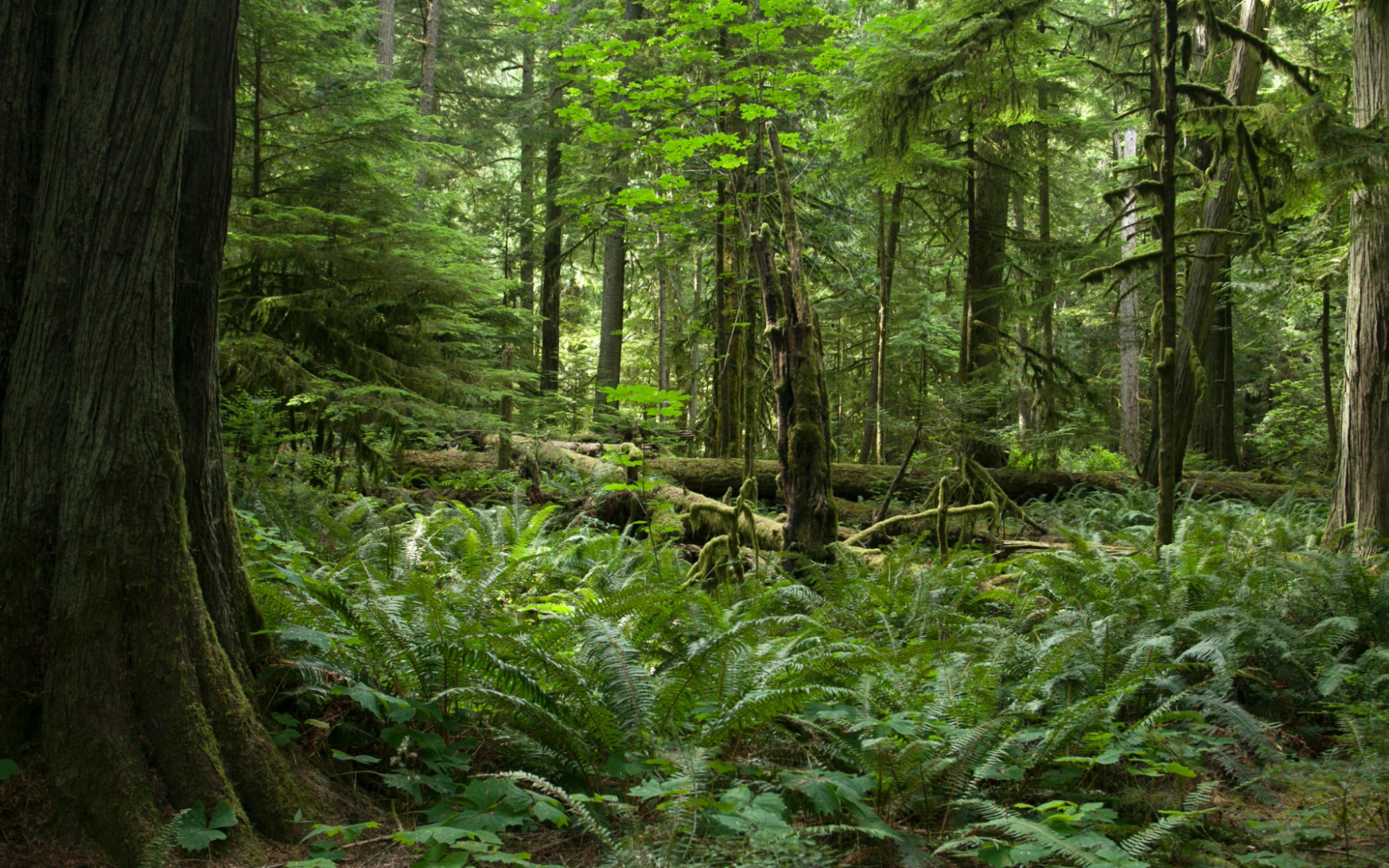
Few places invite us to slow down quite like an old forest. Buçaco National Forest in central Portugal is one of those rare places where natural beauty, history, and intentional wellness come together.
Known locally as Mata Nacional do Bussaco, this centuries-old woodland was recently recognized as a certified therapeutic forest—a designation that reflects its potential to support guided nature-based wellness experiences.
For anyone drawn to holistic health, mindful travel, or the calming effects of time outdoors, Buçaco offers a meaningful reminder: nature does not need to be rushed, optimized, or conquered to be beneficial. Sometimes, the healthiest thing we can do is simply pause beneath the trees.
What Makes Buçaco National Forest So Special?
Buçaco National Forest sits near the spa town of Luso in Portugal’s lush central region. It is a relatively compact forest, but it holds an extraordinary amount of life, history, and atmosphere within its boundaries.
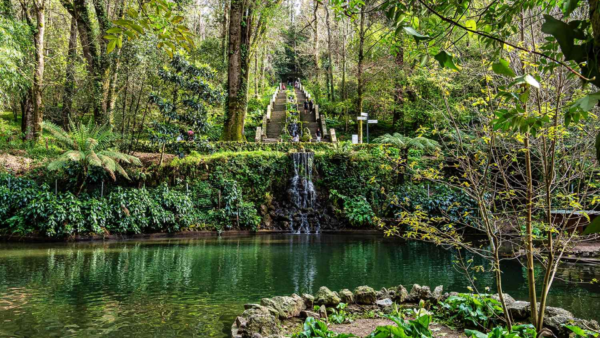
The forest is home to hundreds of species of trees and shrubs, including native and introduced varieties that have been carefully protected over centuries. Tall cedars, ferns, mossy stone walls, winding paths, and shaded clearings give the landscape a quiet, almost storybook feeling. It is easy to understand why people visit not only to hike, but also to rest, reflect, and reconnect.
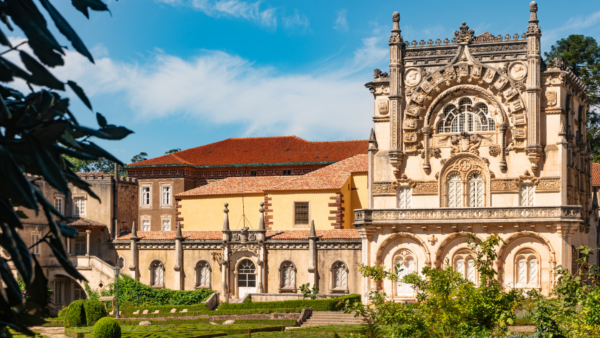
Buçaco’s story is closely tied to the Carmelite monks who lived in the area beginning in the 1600s. They helped protect the land and planted many of the tree species that still shape the forest today. Their legacy is visible in the old convent, small chapels, historic pathways, and the peaceful sense of enclosure that makes the forest feel separate from daily life.
What sets Buçaco apart today is not only its beauty. It has been recognized as a therapeutic forest, meaning it has features that can support guided wellness and recovery-focused experiences in nature. These include quiet areas, varying trail options, protected landscapes, and spaces that encourage rest and gentle movement.
A visit here can be as simple as a calm walk beneath the trees. Yet the setting also invites a deeper question: What happens when we stop treating nature as scenery and begin relating to it as part of a healthy life?
What Does “Therapeutic Forest” Really Mean?
The phrase therapeutic forest can sound a little grand, especially in a wellness world full of bold promises. It is worth being clear about what it means—and what it does not mean.
A therapeutic forest is not a place that magically cures illness. Spending time in the woods does not replace medical treatment, therapy, prescribed medication, or the support of qualified healthcare professionals. Instead, a therapeutic forest is a natural setting intentionally prepared for guided activities that may support well-being.
These experiences often focus on slowing down, engaging the senses, and reducing the pressure to perform. Rather than hiking for distance or tracking every step, participants may be invited to notice the air, light, sounds, scents, and textures around them.
Forest bathing, sometimes called shinrin-yoku, is one example. Despite the name, it does not involve water. It means immersing yourself in the atmosphere of the forest through unhurried, mindful attention. Forest therapy is a related practice that is typically guided by a trained practitioner.
A certified therapeutic forest goes a step further. The setting is evaluated for qualities that make it appropriate for structured nature-based programs. These may include:
- Low levels of noise and visual disruption
- Trails with different levels of difficulty
- Places to rest, breathe, and move gently
- Natural shade and protection from wind
- A landscape that feels safe, calming, and easy to navigate
- Access to trained guides or forest therapy professionals
This distinction matters. Nature can be restorative, but responsible wellness means avoiding claims that go beyond the evidence. Buçaco’s therapeutic designation is best understood as an invitation to experience the forest with more care, attention, and intention.
How Time in Buçaco Forest Can Support Well-Being
Modern life asks a lot of our attention. Screens, alerts, traffic, work demands, and constant decisions can leave the nervous system feeling like it never truly gets a break. A forest cannot solve every source of stress, but it can offer a different kind of environment—one that makes slowing down feel more possible.
Buçaco National Forest is especially well suited to this because its paths move through dense greenery, changing elevations, open viewpoints, and quiet pockets of woodland. You do not need a complicated wellness routine to benefit from that setting. A slower pace is often enough.
Time among trees may support a sense of calm, mental clarity, and emotional reset. The goal is not to force relaxation or expect a dramatic transformation after one walk. It is to create space for your body and mind to soften their grip, even briefly.
Instead of treating your visit like a checklist, try approaching it as a sensory practice.
A simple mindful forest walk
- Put your phone on silent and keep it out of reach when possible
- Walk more slowly than you normally would
- Notice five things you can see, such as leaves, bark, light, or moss
- Listen for sounds that are near, far away, and in between
- Pause to feel the temperature of the air on your skin
- Sit quietly for a few minutes if you find a safe place to rest
- Before leaving, ask yourself: “What feels different than when I arrived?”
This kind of mindful walking may feel almost too simple at first. That is part of the point. Wellness does not always need another product, purchase, or complicated protocol. Sometimes it begins with giving your senses enough time to catch up with your life.
Planning a Restorative Visit to Buçaco
Buçaco can be enjoyed by many kinds of visitors, from people who want a peaceful stroll to travelers interested in guided forest therapy or cultural history. The best approach is to plan for enough time to move slowly.
If possible, avoid squeezing the forest into a rushed itinerary between several other attractions. A shorter, quieter visit can be more restorative than a full day spent trying to cover every trail. Give yourself permission to choose one path, one viewpoint, or one quiet corner and let that be enough.
Wear supportive shoes, bring water, and pack layers for changing weather. Forest paths can be uneven, damp, or shaded, depending on the season. If you have mobility concerns, breathing issues, cardiovascular conditions, or another health consideration, choose an appropriate route and speak with a healthcare professional when needed.
You may also want to look for guided walks or structured programs during your visit. A trained guide can help you experience a therapeutic forest differently than you might on your own, especially if the goal is stress management, mindfulness, or gentle recovery.
Visit with respect for the forest
Buçaco is both a wellness destination and a protected living ecosystem. A thoughtful visit helps preserve what makes it special.
- Stay on marked paths
- Keep noise low so others can experience the forest’s quiet
- Avoid picking plants, collecting natural materials, or disturbing wildlife
- Carry out food wrappers, bottles, and other waste
- Treat historic structures, trees, and landscapes with care
- Let the forest set the pace instead of trying to rush through it
The healthiest relationship with nature is not one of consumption. It is one of attention, gratitude, and respect.
A Forest That Invites You to Slow Down
Buçaco National Forest is not meaningful because it promises a quick cure for stress or a dramatic health transformation. Its value is quieter than that. This therapeutic forest offers the conditions many of us are missing: shade, stillness, living diversity, gentle movement, and time away from constant stimulation.
Whether you visit Portugal or simply let its example inspire your next walk outdoors, Buçaco reminds us that nature can be a steady part of informed, realistic wellness—not a replacement for care, but a supportive place to breathe, notice, and begin again.