
Why Wearable Wellness Tech Matters
Wearable technology has become one of the most popular tools for improving health and wellness. Whether you're trying to sleep better, stay active, manage stress, or understand your body more deeply, today's smart wearables offer powerful insights—all from your wrist.
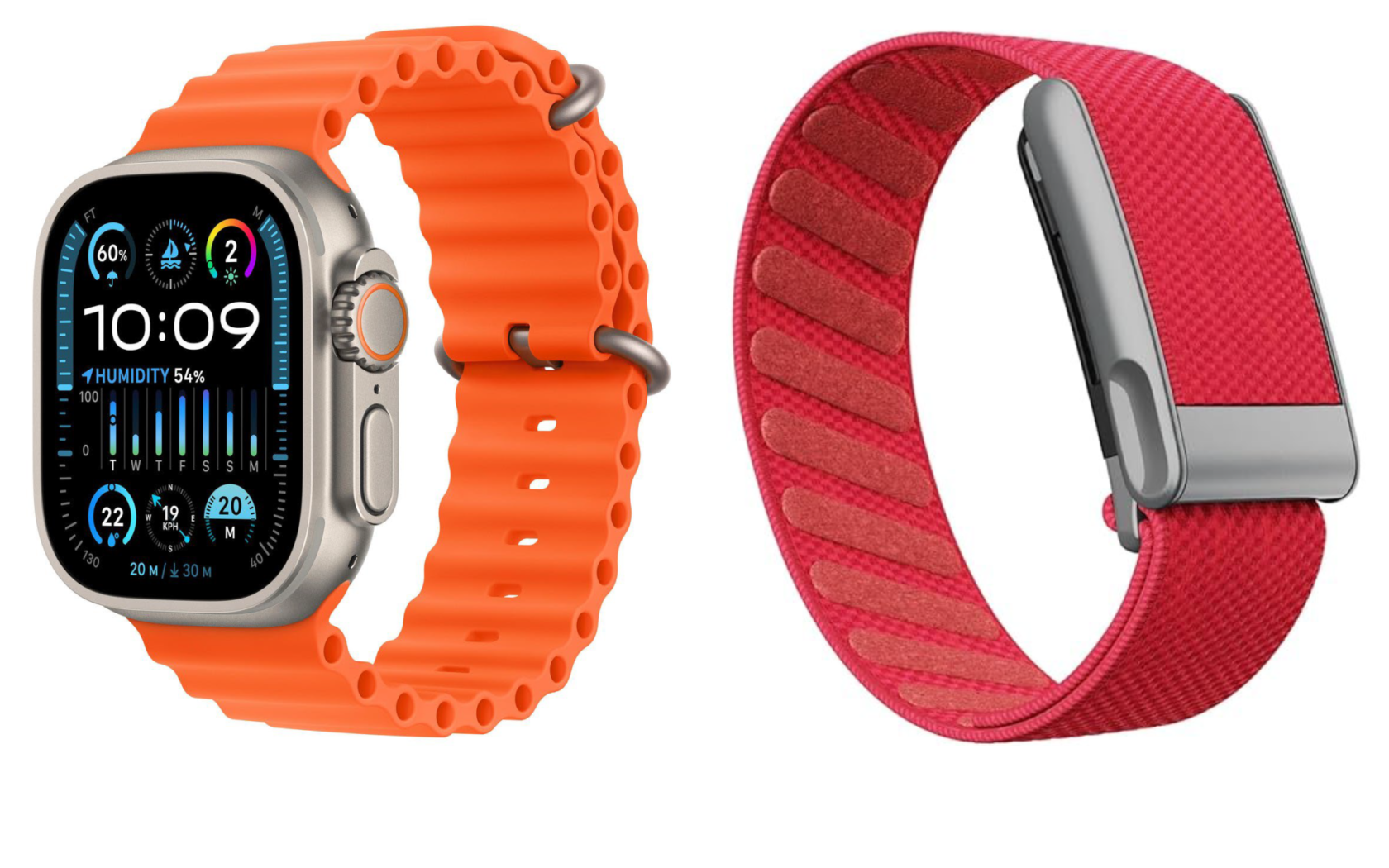
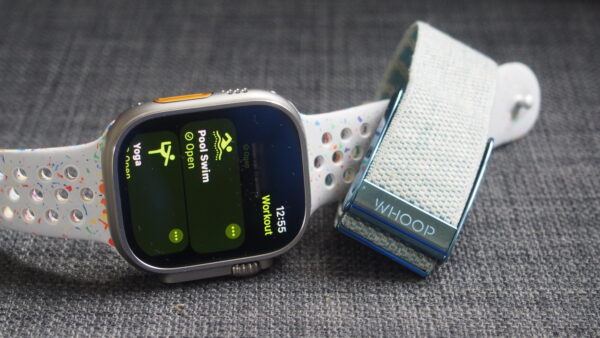
Two devices dominate this conversation: the Apple Watch and the Whoop Band. If you've been researching Apple Watch vs. Whoop Band, you've probably already noticed that they take very different approaches to tracking your health. One is a full-featured smartwatch. The other is a screen-free, data-focused recovery tool.
In this blog, we explore which device truly supports a natural, sustainable approach to health—so you can choose the one that fits your lifestyle and wellness goals.
Design, Comfort & Wearability
Apple Watch
The Apple Watch looks and feels like a traditional smartwatch. It has a bright, customizable touchscreen, interchangeable bands, and the familiar Apple design most people love. It's ideal if you want a device that helps with notifications, GPS, music, and communication while also tracking your health.
But because it's a screen-based device, the Apple Watch is not always ideal for 24/7 wear—especially at night. Some people find the screen distracting or the metal case uncomfortable while sleeping.
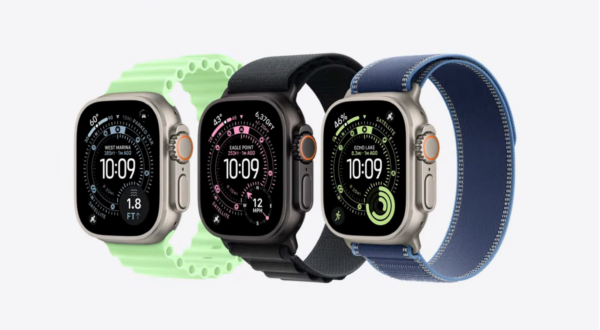
Battery life typically lasts 18 to 30 hours, depending on usage, which means daily charging is part of the routine.
Whoop Band
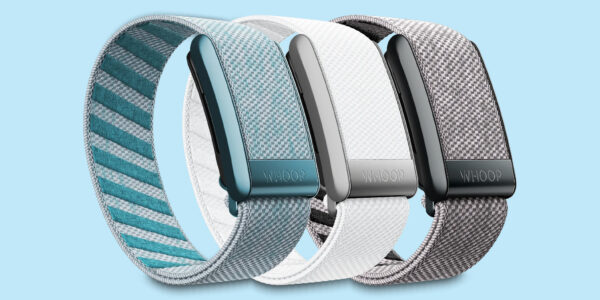
The Whoop Band focuses on comfort and simplicity. There's no screen, which helps users stay present without constant alerts or digital distractions. Whoop was designed specifically for 24/7 wear: it's ultra-light, soft, and flexible, and can even be worn on the biceps or under clothing with Whoop Body apparel.
Its standout feature is the battery pack that slides on while you wear it, so you don't need to take it off to charge. The battery lasts 4–5 days on average.
For users who want a minimalist, distraction-free experience, Whoop often wins this category.
Tracking Features: What Each Device Measures
This is where the Apple Watch vs. Whoop Band comparison becomes more meaningful.
Heart Rate Tracking
Both devices track heart rate throughout the day. Still, Whoop uses more frequent sampling and focuses heavily on heart rate variability (HRV), which is one of the most important markers of stress, recovery, and overall health.
Apple Watch tracks HRV, but only during specific moments—not continuously.
Sleep Tracking
Whoop is known for its advanced, highly detailed sleep tracking. It analyzes:
- Sleep stages
- Disturbances
- Time in bed vs. time asleep
- Sleep need
- Sleep performance
Apple Watch has improved its sleep tracking, but it still provides simpler insights and tends to focus more on duration than depth.
Recovery Insights
This is one of Whoop's biggest strengths. Whoop gives users a daily Recovery Score based on:
- HRV
- Resting heart rate
- Sleep quality
- Respiratory rate
This score helps you understand whether your body needs rest or is ready for more activity.
Apple Watch does not offer a comparable recovery metric. While it tracks health data, it does not translate those numbers into a daily readiness score.
Activity Tracking
Apple Watch excels here. It offers:
- GPS and route tracking
- Activity rings
- Workout types for every sport
- Coaching reminders
- Fitness+ integration
Whoop tracks strain (your total exertion for the day) but doesn't provide GPS or workout visuals. This makes Whoop better for understanding how hard your body is working, but not for mileage, pace, splits, or in-workout guidance.
Stress & Mindfulness
Apple Watch includes mindfulness reminders, breathing exercises, and stress tracking tools—plus access to apps like Calm or Headspace.
Whoop measures stress through physiological strain but does not guide users through mindfulness exercises.

App Experience & Data Insights
Apple Health App
The Apple Health and Fitness apps are easy to use and visually engaging. They provide a lot of information, but the insights often feel general. For example, Apple may show your sleep duration or heart rate, but you have to interpret what those metrics mean.
For beginners, this is great—it's straightforward and not overwhelming. But for people wanting deep wellness analytics, Apple's insights may feel limited.
Whoop App
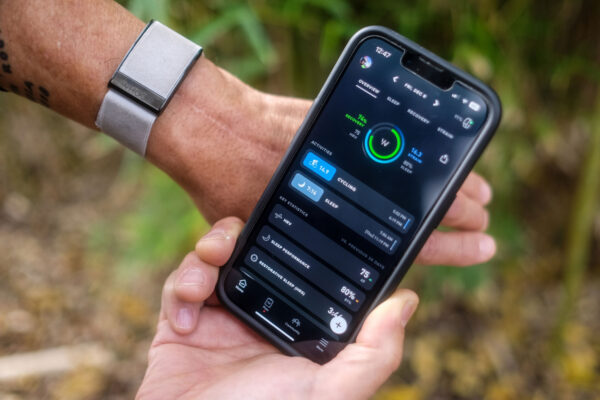
The Whoop app is built for a deep understanding of your body. It translates raw health data into simple, daily recommendations such as:
- "You need more sleep tonight."
- "Your recovery is low—go easy today."
- "Your body can handle more strain today."
The app also includes a Journal, where members track behaviors such as alcohol, meditation, late meals, CBD, and screen time. Whoop then shows how those behaviors affect sleep and recovery over time—an excellent feature for natural wellness enthusiasts.
Subscription Differences
Apple Watch:
- No required monthly fee
- Optional services like Apple Fitness+
Whoop:
- Requires a monthly membership
- No upfront cost for the band
This makes the Apple Watch more affordable for long-term use, depending on how you value Whoop's data insights.
Price Breakdown: What You Actually Pay For
Apple Watch Costs
- $249–$799+ depending on model
- No mandatory subscription
- Occasional upgrades if you want the newest features
Whoop Costs
- Membership-based: usually $30–$40/month
- Band included with membership
- App features are only accessible with a subscription
Over two years, Whoop typically ends up being more expensive than an Apple Watch—but you're paying for deeper data and coaching insights.
Which Is Better for Natural Wellness? Final Comparison
Best for Stress Reduction:
Whoop Band — thanks to HRV, recovery scores, and detailed sleep analysis.
Best for Overall Fitness & Daily Activity:
Apple Watch — because of GPS, workout coaching, and activity rings.
Best for Sleep Tracking:
Whoop Band — significantly more precise and actionable.
Best for Minimalists:
Whoop Band — screen-free, distraction-free.
Best for Everyday Functionality:
Apple Watch — notifications, calls, music, apps, and health tracking in one place.
So… Which One Should You Choose?
Choose the Apple Watch if:
- You want a smartwatch + fitness tracker in one
- You like closing your rings and seeing workout details
- You prefer no monthly subscription
- You want practical features like texts, calls, and GPS
Choose the Whoop Band if:
- You prioritize sleep, recovery, and stress balance
- You want a minimalist, distraction-free wearable
- You value deep health insights and coaching
- You like continuous data without interpreting it yourself
Both devices offer powerful tools to improve your health—the right one depends on your wellness journey.
If your goal is a more natural, balanced lifestyle with better recovery and stress support, Whoop may be the better choice. If you want holistic fitness support with everyday functionality, Apple Watch shines.